nutrition
5 stories filed under nutrition on World Data Ocean. The newest of them: “Sugar intake during antibiotic therapy disrupts gut microbiome in cancer patients”, “Meat consumption patterns reveal measurable link between national wealth and diet”, and “Longitudinal Data Links Early Sugar Restriction to Reduced Dementia Risk”. A measurable increase in microbiome disruption was observed when blood cancer patients consumed sugar during antibiotic therapy. A measurable link exists between national wealth and meat consumption: people in richer countries tend to eat more meat. A Global Hub for Ocean Intelligence 4 World Data Ocean is a centralized digital platform where researchers, scientists, and ocean enthusiasts converge to… The list below is every nutrition story on World Data Ocean, newest first.

Sugar intake during antibiotic therapy disrupts gut microbiome in cancer patients
A measurable increase in microbiome disruption was observed when blood cancer patients consumed sugar during antibiotic therapy. This finding, from empirical research into gut health, underscores how diet choices can compound treatment impacts. It is a reminder that precision matters in patient care. For a contrasting look at how environmental factors shape biological systems, see our related piece on a coastal specimen prompting community-led ecological inquiry.
Meat consumption patterns reveal measurable link between national wealth and diet
A measurable link exists between national wealth and meat consumption: people in richer countries tend to eat more meat. This empirical pattern raises urgent questions about sustainability and equity. Understanding these dynamics is essential for informed policy. For deeper context on global challenges, our analysis of "Global literacy gaps among youth reveal urgent need for measurable education action" offers a parallel view of disparities that demand calibrated, integrated responses.

Longitudinal Data Links Early Sugar Restriction to Reduced Dementia Risk
Sugar rationing during World War II did more than stretch limited supplies; it may have reshaped lifelong brain health. New longitudinal data suggests that children exposed to this early sugar restriction carried a lower risk of dementia and Alzheimer's disease decades later. That is a remarkable, measurable signal. It underscores how early nutrition calibrates long-term outcomes, a reminder that interventions in childhood can yield validated benefits across a lifetime.

Protein Intake: Is More Always Better for Longevity?
Protein intake has become a rallying cry, but the evidence demands nuance. For sedentary individuals, chasing a high-protein diet may inadvertently accelerate aging rather than preserve vitality. We see this as a call for calibrated thinking, not trend-following. It is a reminder that context matters, much like the findings from our piece on cognitive resilience, where adaptation proved key. The data urges us to measure, validate, and apply precision. More is not inherently better, intelligent application is.
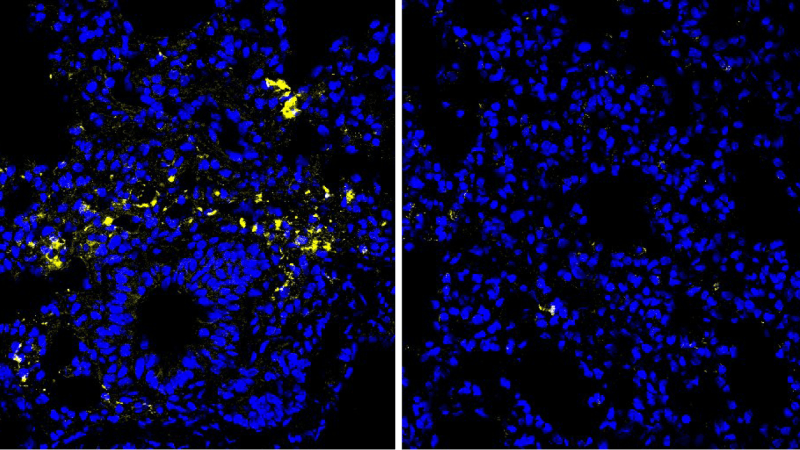
Arginine Boosts Immunity, Showing Promise Against Tumors and Viral Infections
Dietary arginine is not a cure-all, but new research shows it does something striking: it reduced tumor formation and viral load in mice by boosting key immune proteins. That is a measurable, peer-worthy step toward understanding how diet shapes immune defense. We find this promising precisely because it is empirical, not speculative. For readers tracking how nutrition influences long-term health outcomes, our related coverage on early sugar restriction and dementia risk offers a useful parallel.