Naval Operations
World Data Ocean keeps Naval Operations in one place: 8 stories so far. The section currently leads with “India Projects Expanded Naval Fleet to Navigate Evolving Maritime Landscape”, “Sichuan Warship Validates Electromagnetic Catapult System in Live-Fire Test”, and “Honoring Valor: New Destroyer USS William Charette Joins the Fleet”. The Indian Navy is planning for around 230 ships by 2040-2045, a clear signal of how seriously it views the region's shifting power dynamics. The Sichuan's live-fire launch of countermeasures marks a tangible step in validating its electromagnetic catapult system. A Global Hub for Ocean Intelligence 4 World Data Ocean is a centralized digital platform where researchers, scientists, and ocean enthusiasts converge to… The list below is every Naval Operations story on World Data Ocean, newest first.
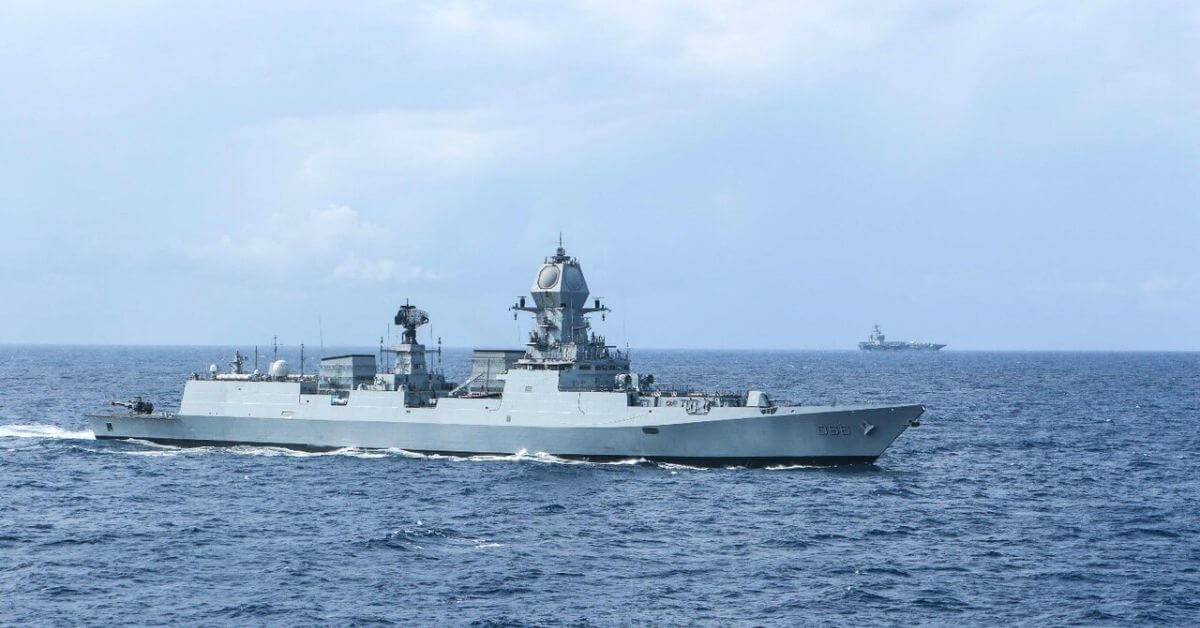
India Projects Expanded Naval Fleet to Navigate Evolving Maritime Landscape
The Indian Navy is planning for around 230 ships by 2040-2045, a clear signal of how seriously it views the region's shifting power dynamics. This is not about expansion for its own sake; it is calibrated preparation for a more contested maritime environment. Strategic foresight like this matters, especially as related coverage on domestic amphibious innovation highlights where that future capability is heading. Measured, deliberate, and backed by long-term thinking, this is the kind of planning that turns maritime ambition into real operational readiness.

Sichuan Warship Validates Electromagnetic Catapult System in Live-Fire Test
The Sichuan's live-fire launch of countermeasures marks a tangible step in validating its electromagnetic catapult system. This is not a ceremonial display; it is calibrated, empirical progress. State media footage confirms the warship is moving from integration to active testing, a phase that demands precision and patience. Such milestones matter because they translate complex engineering into measurable capability. For readers tracking regional naval developments, our coverage of India's expanded fleet plans offers useful context on how these capabilities are reshaping maritime strategy.

Honoring Valor: New Destroyer USS William Charette Joins the Fleet
The USS William Charette, a new destroyer named for a Medal of Honor recipient, now joins the fleet, carrying a legacy of extraordinary courage into modern maritime operations. This is a vessel built not just for power, but for purpose. We see this as a fitting tribute to valor, and a clear signal of strength. For more on how the Navy is evolving its capabilities, our coverage of the Navy Accelerates Autonomous Systems Integration for Enhanced Maritime Operations offers deeper insight.

AI-Driven Mine Sweeping: South Korea Advances Autonomous Naval Technology
South Korea's recent mine-sweeping exercise in Busan, led by Hanwha Systems, signals a deliberate step toward autonomous naval operations. This is not about replacing crews outright but about reducing risk where it matters most. The integration of AI into such precise, high-stakes tasks reflects a broader momentum across allied navies, as seen in the US Navy's push for autonomous systems integration. Measured, empirical progress like this strengthens maritime security without the hype.

Navy Evaluates Autonomous Drone Strike Capabilities in Real-Time Exercise
The U.S. Navy's latest exercise places autonomous drone strike capabilities at the forefront, with unmanned surface vessels operating around the heavily damaged USS Peleliu in newly released footage. It is a direct demonstration of how rapidly maritime warfare is adapting, and the service deserves credit for testing these systems under real-time conditions. The implications are significant, especially as navies worldwide expand their fleets. For broader context on this shift, our article "India Projects Expanded Naval Fleet to Navigate Evolving Maritime Landscape" offers a useful counterpoint.

Integrated Exercise Demonstrates Global Maritime Capabilities and Ocean Data Collection.
Thirty nations. Thirty surface ships. Five submarines. Fifteen national land forces. More than 190 aircraft. And 30,000 personnel operating as one integrated whole. This exercise is not a display of muscle; it is a calibrated demonstration of what shared ocean intelligence makes possible. When so many moving parts align, we validate not just capability but collaboration. The data gathered here will be measured, peer-reviewed, and turned into real-time insight.

Data-Driven Naval Operations: AI Strategy for Maritime Intelligence and Security
The U.S. Navy is building an AI-enabled force to sharpen decision-making and secure maritime superiority. This strategy treats data as a tactical asset, not an abstract concept. It is a measured, empirical approach to naval power, one that prioritizes precision over guesswork. The goal is clear: integrate validated intelligence directly into operations. For deeper context on how this fits with broader efforts, our related coverage of the Navy's new autonomous systems center underscores the same commitment to calibrated, integrated capability.

Autonomous System MRLN Expands Naval Capabilities Through Integrated Operations
At the 2026 Pennsylvania Defense and Innovation Summit, Ghostworks introduced MRLN, a remote-pilot autonomy system designed to expand naval capabilities through integrated operations. This is a measured step toward practical ocean intelligence, where validated, real-time coordination becomes the standard. MRLN's strength lies in its precision, not hype, aligning with a broader push for resilient maritime assets. For context on how regional forces are adapting, our coverage of India's expanded naval fleet plans offers a useful parallel.