naphtha
naphtha at World Data Ocean is a file of 4 stories. The newest of them: “Panama Registry Enforces Sanctions by Removing Three Tankers Tied to Iranian Oil”, “Tracking the Shadow Fleet: Sanctions Map 22 Vessels Tied to Iran's Oil Network”, and “Mitigating Supply Chain Risk: KPC Enables Ship-to-Ship Transfers.”. The Panama Maritime Authority has removed three tankers, Bitu, Starway, and Mackerel, from its registry and initiated cancellation proceedings, enforcing sanctions tied to Iranian oil. Twenty-two ageing tankers, the core of Iran's remaining shadow fleet, are now mapped and sanctioned. A Global Hub for Ocean Intelligence 4 World Data Ocean is a centralized digital platform where researchers, scientists, and ocean enthusiasts converge to… The list below is every naphtha story on World Data Ocean, newest first.
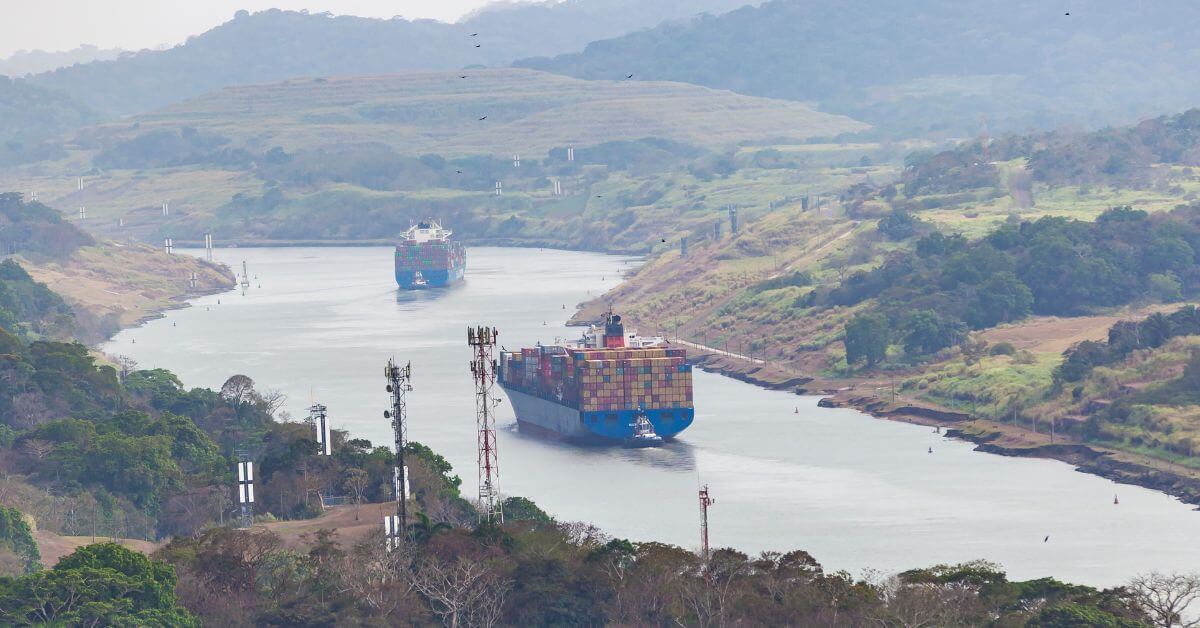
Panama Registry Enforces Sanctions by Removing Three Tankers Tied to Iranian Oil
The Panama Maritime Authority has removed three tankers, Bitu, Starway, and Mackerel, from its registry and initiated cancellation proceedings, enforcing sanctions tied to Iranian oil. This is measured, direct action, not rhetoric. Maritime registries are only as credible as their compliance systems. For deeper context on how Iranian vessels are testing global supply limits and sanctions calculus, see our coverage of stranded Iranian ships off Sri Lanka.
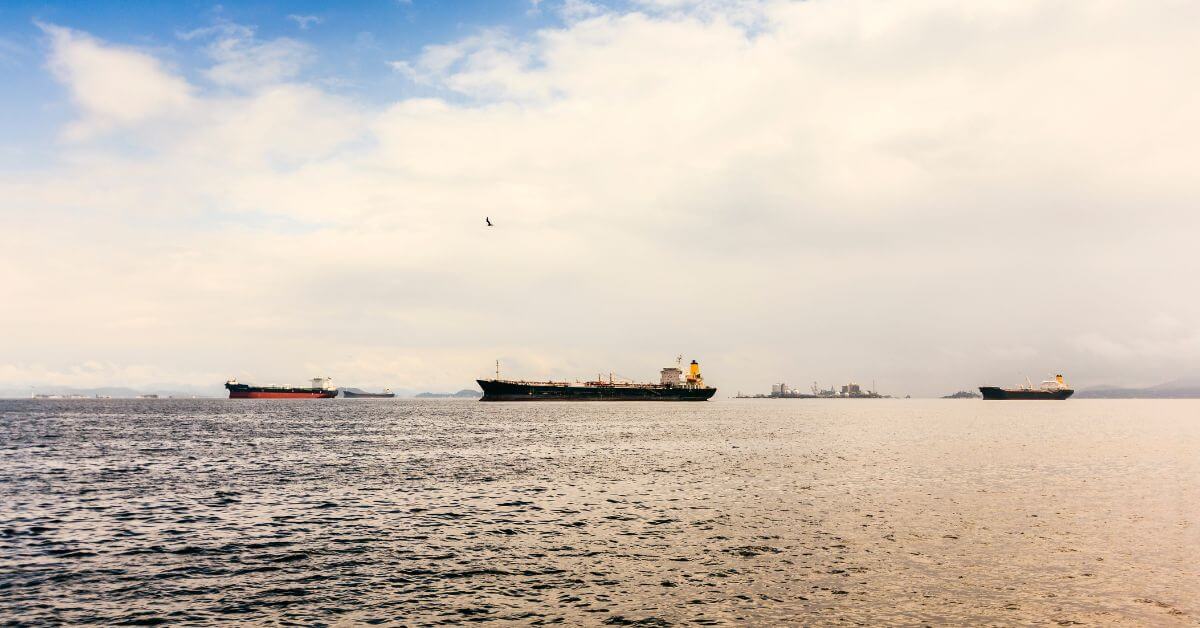
Tracking the Shadow Fleet: Sanctions Map 22 Vessels Tied to Iran's Oil Network
Twenty-two ageing tankers, the core of Iran's remaining shadow fleet, are now mapped and sanctioned. This network moves oil and petroleum products to foreign buyers, circumventing existing restrictions. Tracking these vessels is not academic, it is a measurable step toward enforcing accountability. The recent spike in tanker strikes near the Strait of Hormuz, detailed in our weekly analysis, underscores the escalating risk in these waters. Understanding the fleet's movements is essential for maintaining maritime security.

Mitigating Supply Chain Risk: KPC Enables Ship-to-Ship Transfers.
Kuwait Petroleum Corporation is offering buyers ship-to-ship transfers beyond the Strait of Hormuz, a measured response to a volatile chokepoint. This is not panic, it is calibrated risk management. By moving cargo to safer waters, KPC keeps supply chains operational without relying on diplomatic breakthroughs. We have explored the limits of this approach in "Gulf of Oman STS Transfers Max Out Amid Rising Saudi Oil Exports," which underscores that capacity, not will, now defines the region's resilience.

Hormuz Tanker Traffic Declines, Signaling Potential Maritime Shifts
A single tanker crossed the Strait of Hormuz on July 23, down from three the prior day, according to Kpler. That decline is measurable, and it warrants attention. We track maritime flows because they carry signals. Whether this reflects routine scheduling or something more deliberate remains unclear, but the data is clear. For context on regional pressure points, our coverage of Gulf of Oman STS transfers highlights how export routes are already maxing out.