mystery
6 stories filed under mystery on World Data Ocean. The newest of them: “Unseen Depths: A Novel Approach to Southern Ocean Mysteries”, “Marine biologists share the unsettling truths that data confirms”, and “Ancient ocean phosphorus cycles reveal Earth's 2.3-billion-year oxygen secret”. Three moons tug at one ocean in the Southern Ocean's hidden depths, and the tidal force is 25 percent stronger every 32 days. A rare oarfish sighting off Southern California measured in real time, and the data is unsettling. A Global Hub for Ocean Intelligence 4 World Data Ocean is a centralized digital platform where researchers, scientists, and ocean enthusiasts converge to… The list below is every mystery story on World Data Ocean, newest first.
Unseen Depths: A Novel Approach to Southern Ocean Mysteries
Three moons tug at one ocean in the Southern Ocean's hidden depths, and the tidal force is 25 percent stronger every 32 days. That measurable, empirical rhythm is the key to *Unseen Depths*, a novel approach to mysteries we have only begun to calibrate. Understanding drives protection. For deeper context on how such forces connect to climate indicators, see our related coverage of ice cores from the Arctic.
Marine biologists share the unsettling truths that data confirms
A rare oarfish sighting off Southern California measured in real time, and the data is unsettling. Marine biologists are sharing the truths that empirical evidence confirms, and this Halloween, their stories remind us that the ocean still holds mysteries we are only beginning to quantify. Understanding drives protection, but it also reveals how much we have yet to calibrate. For deeper coverage on these encounters, read "A rare oarfish sighting off Southern California measured in real time."
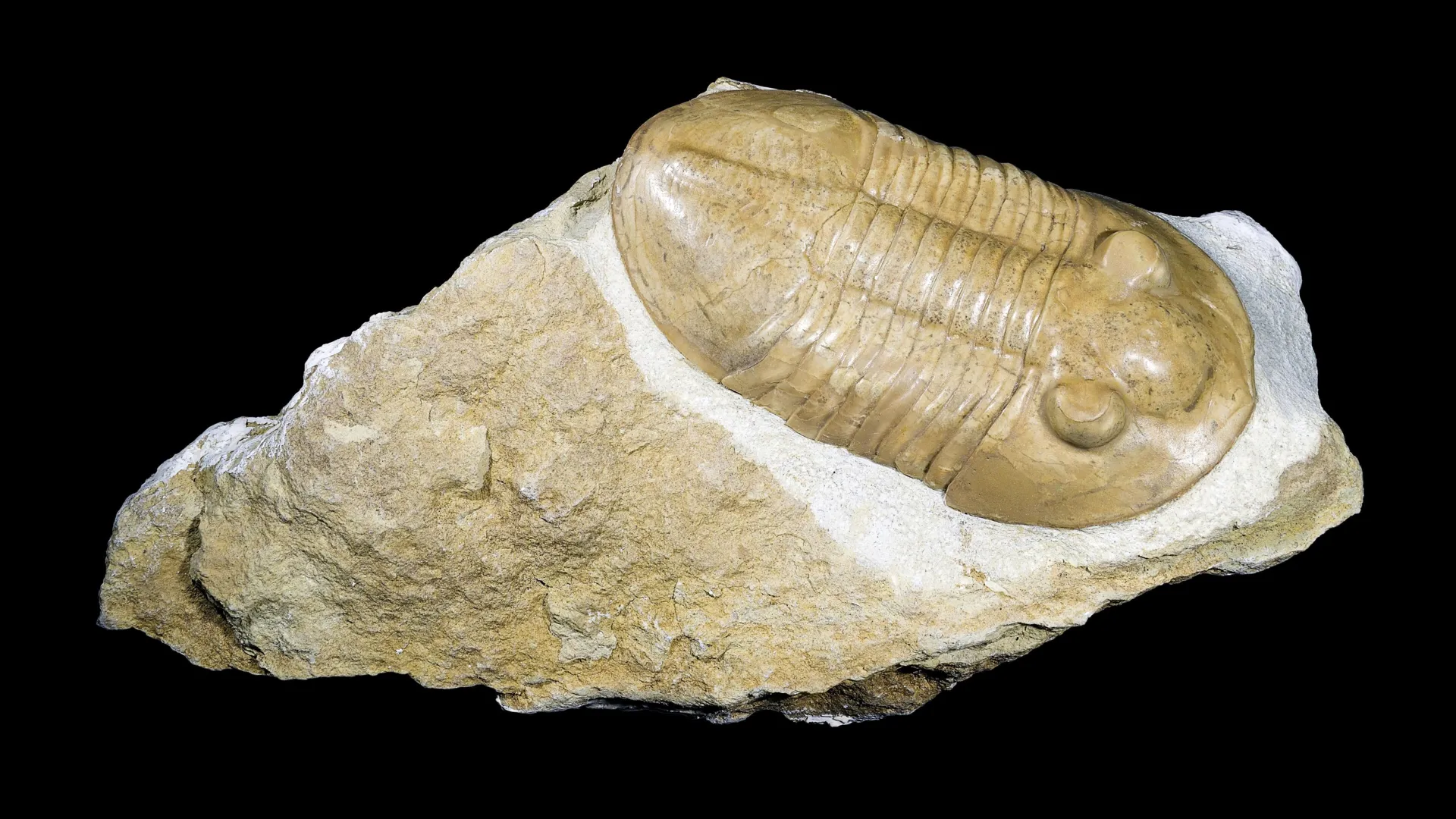
Ancient ocean phosphorus cycles reveal Earth's 2.3-billion-year oxygen secret
Phosphorus recycling in ancient oceans may have solved a 2.3-billion-year mystery: how Earth kept enough oxygen to support life. New evidence from old rocks reveals a self-sustaining cycle that maintained high oxygen levels through dramatic planetary change. This challenges long-held assumptions about our early atmosphere. It also raises compelling questions about why complex life took so long to emerge. For deeper context, our coverage of "Acidification Alters Phytoplankton Chemistry" explores how ocean chemistry continues shaping life today.

Decoding the universe through ice, neurons, and mirrored molecules
An icy window into the cosmos, a light switch for the brain, and the mystery of mirror-image molecules, each earned top honors by advancing how we decode the universe. These breakthroughs share a common thread: they prove that validated, empirical discovery is the most powerful tool we have. Understanding drives protection. For those tracking the chemical signatures of life, our recent work on calibrating a new global standard for dissolved organic phosphorus offers another layer of measurable insight.
Ocean Oxygen Anomalies: Scientists Investigate Unexpected Deep-Sea Presence
Deep-sea oxygen anomalies are surfacing where none should exist, and the data demands attention. Scientists investigating this unexpected presence are recalibrating assumptions about how oxygen behaves below the mesopelagic zone. It is a reminder that our ocean intelligence remains incomplete, even as climate indicators sharpen. Findings like these reinforce why integrated data ecosystems matter; we cannot protect what we do not yet measure. Readers tracking related coastal mysteries may find our recent piece on the Oahu specimen a useful parallel.

Unraveling the Mystery: Scientists Investigate the Origins of Static Electricity
Static electricity is everywhere, yet science cannot fully explain it. A quirky group of researchers is determined to change that. Their investigation matters, not only for curiosity's sake, but because understanding this everyday phenomenon could unlock deeper principles of charge and matter. The work is methodical, playful, and long overdue. For those drawn to foundational puzzles, this pairs well with our coverage of how magma and microbial activity may rewrite a 2-billion-year-old carbon signal.