modeling
4 stories filed under modeling on World Data Ocean. The newest of them: “Mediterranean Tsunami Risk: Modeling Reveals Urgent Threat and Limited Warning.”, “Bridging Data Science and Oceanography: Pathways for Aspiring Researchers”, and “Advancing Earth System Science: A Call for Collaborative Research.”. A two-meter wave in under ten minutes. Understanding the ocean has never been more attainable for those entering the field without a traditional background. A Global Hub for Ocean Intelligence 4 World Data Ocean is a centralized digital platform where researchers, scientists, and ocean enthusiasts converge to… The list below is every modeling story on World Data Ocean, newest first.
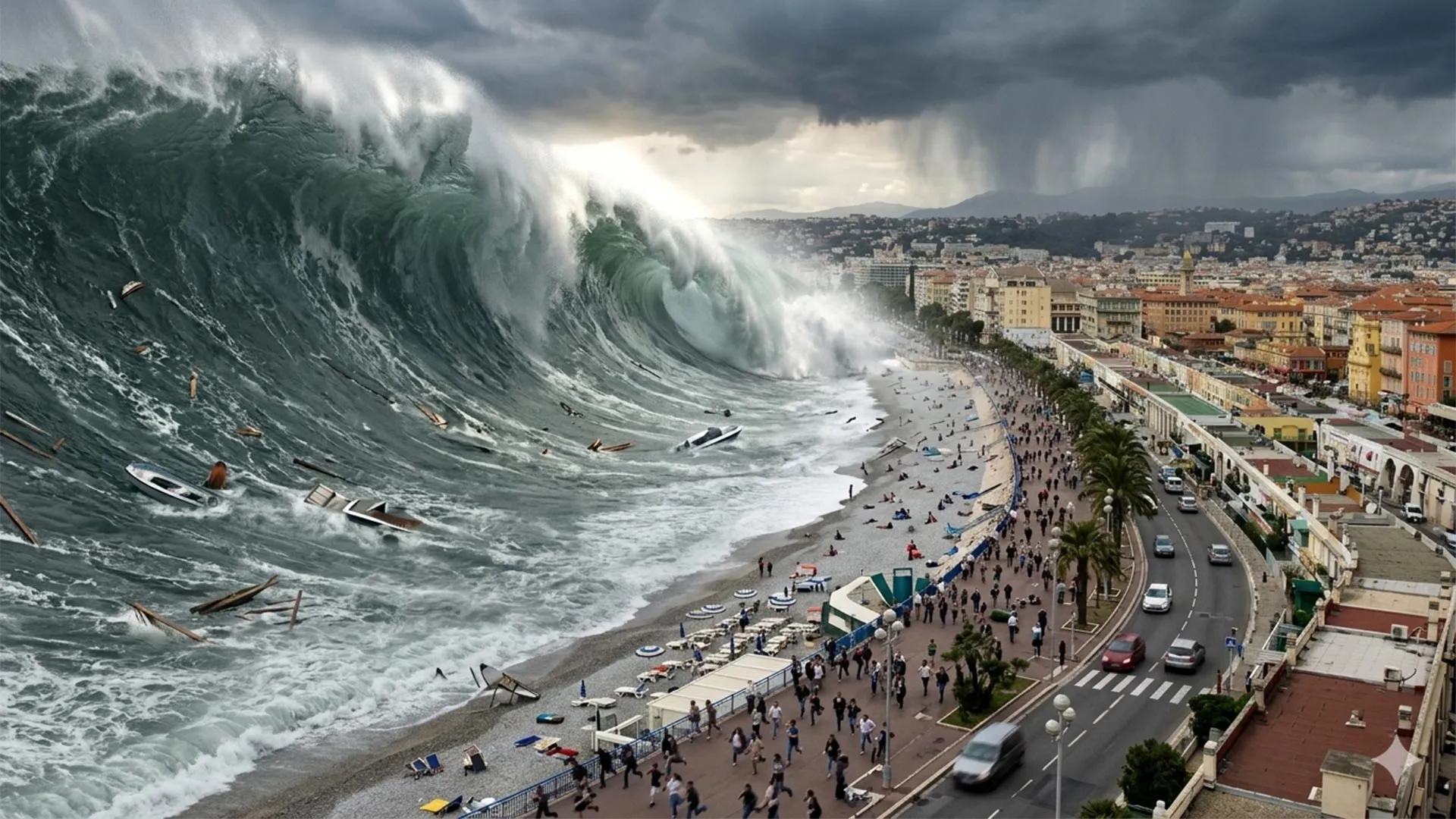
Mediterranean Tsunami Risk: Modeling Reveals Urgent Threat and Limited Warning.
A two-meter wave in under ten minutes. That is the reality of tsunami risk along the French Riviera, a region more associated with calm coasts than sudden catastrophe. History and modern modeling confirm that destructive waves can strike with almost no warning. This is not alarmism, it is a measured, empirical call for preparedness. The threat is urgent and measurable. For a deeper look at regional security dynamics, readers may explore our related coverage of Russian maritime activities in the Mediterranean.
Bridging Data Science and Oceanography: Pathways for Aspiring Researchers
Understanding the ocean has never been more attainable for those entering the field without a traditional background. Your question reflects a common starting point, and the path is more open than you might think. Focus on building quantitative skills, particularly in statistics and programming with Python or R, as these are the currency of modern oceanographic research. Pair that with a genuine curiosity for how data translates into climate indicators.
Advancing Earth System Science: A Call for Collaborative Research.
Understanding drives protection, and this call for collaborative research on Earth system science reflects that principle. This persistence, moving from theoretical frameworks to computational models, shows a dedication we share. They've sought dialogue elsewhere with limited success, which is why this invitation matters. For those exploring similar questions, our related article, "Calibrated ocean intelligence, now within reach through integrated data discovery," offers a practical entry point. Earth system science thrives on shared inquiry, not isolated effort. We're glad to see this conversation starting.

Integrated Insights: Bridging Natural and Human Systems for Ocean Solutions
Coastal communities face mounting pressure as storm surge costs in China expose the economic weight of climate-driven extremes, while Port Miami's record-breaking 10 million passengers shows how human systems adapt and thrive. These stories converge on a single truth: ocean solutions demand integrated insights. By bridging natural and human systems, we move beyond isolated data points toward a calibrated, whole-system view. This approach turns complexity into actionable intelligence, reinforcing that understanding drives protection.