mice
World Data Ocean keeps mice in one place: 3 stories so far. The section currently leads with “How dietary fiber may bind microplastics for removal from the gut”, “Lymphatic System Intervention Shows Promise in Alzheimer’s Model”, and “Arginine Boosts Immunity, Showing Promise Against Tumors and Viral Infections”. In mice, dietary fiber wrapped around microplastic particles and escorted them out of the gut, a finding as elegant as it is practical. A targeted shift in immune cell behavior within lymph nodes is showing measurable impact in an Alzheimer's model. A Global Hub for Ocean Intelligence 4 World Data Ocean is a centralized digital platform where researchers, scientists, and ocean enthusiasts converge to… The list below is every mice story on World Data Ocean, newest first.

How dietary fiber may bind microplastics for removal from the gut
In mice, dietary fiber wrapped around microplastic particles and escorted them out of the gut, a finding as elegant as it is practical. This isn't a cure-all, but it offers a measurable, peer-reviewed pathway worth watching. Understanding drives protection, and this kind of empirical insight aligns with the integrated data ecosystem we champion. For deeper coverage on how collaborative science builds ocean intelligence, see our related piece, "Building Ocean Intelligence Through Peer-Led Ecology Dialogues."

Lymphatic System Intervention Shows Promise in Alzheimer’s Model
A targeted shift in immune cell behavior within lymph nodes is showing measurable impact in an Alzheimer's model. By removing a specific immune cell type, researchers reduced both brain inflammation and cellular damage in mice. The finding reinforces a broader principle: the peripheral immune system is not peripheral to brain health. It is integrated with it. For those tracking how immune mechanisms translate across conditions, this study offers a useful, evidence-based thread.
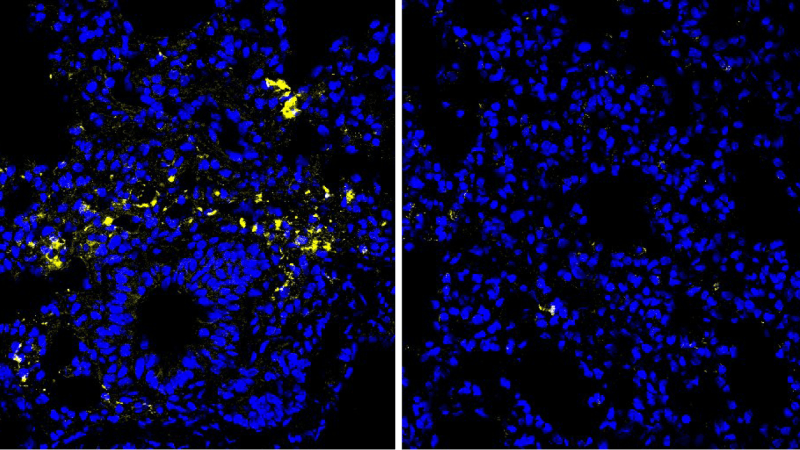
Arginine Boosts Immunity, Showing Promise Against Tumors and Viral Infections
Dietary arginine is not a cure-all, but new research shows it does something striking: it reduced tumor formation and viral load in mice by boosting key immune proteins. That is a measurable, peer-worthy step toward understanding how diet shapes immune defense. We find this promising precisely because it is empirical, not speculative. For readers tracking how nutrition influences long-term health outcomes, our related coverage on early sugar restriction and dementia risk offers a useful parallel.