merchant fleet
merchant fleet at World Data Ocean is a file of 5 stories. The newest of them: “Chartering tankers through Hormuz to secure India's oil supply chains”, “India's first e-methanol plant fuels cleaner shipping on the Asia-Europe corridor”, and “Shipbuilding Orders Surge, Signaling Accelerated Maritime Growth.”. India's refiners are chartering tankers through the Strait of Hormuz, a calculated response to rising risk in a waterway that moves a fifth of global oil. A ₹2,300 crore investment now anchors India's first e-methanol plant, designed to supply cleaner fuel for ships on the Asia-Europe corridor. A Global Hub for Ocean Intelligence 4 World Data Ocean is a centralized digital platform where researchers, scientists, and ocean enthusiasts converge to… The list below is every merchant fleet story on World Data Ocean, newest first.
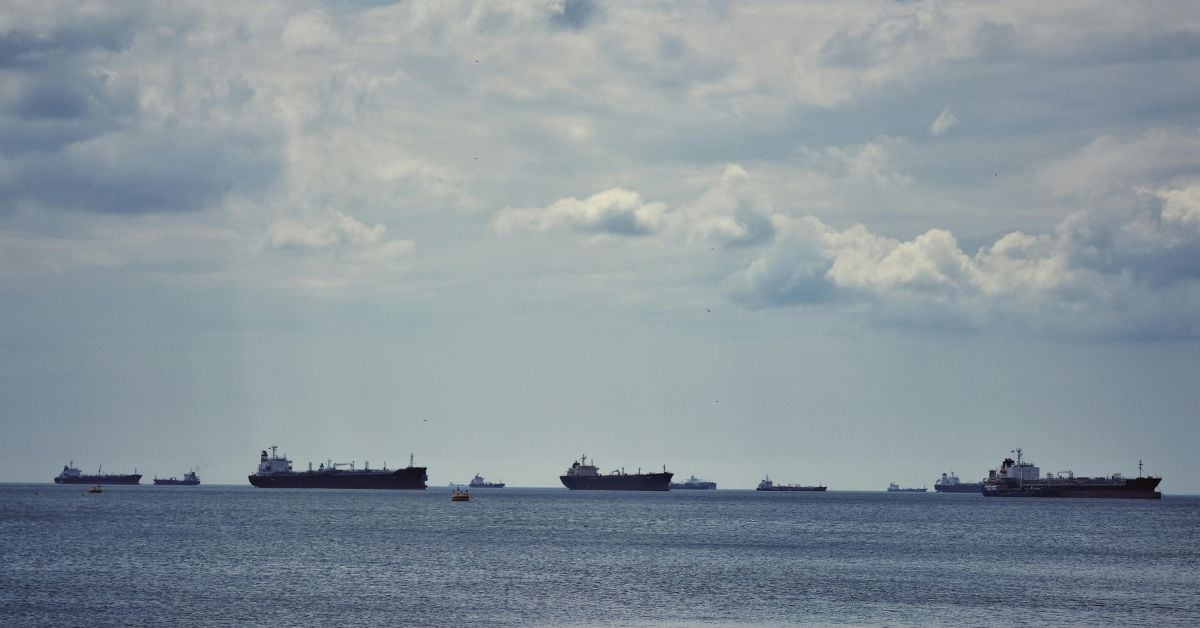
Chartering tankers through Hormuz to secure India's oil supply chains
India's refiners are chartering tankers through the Strait of Hormuz, a calculated response to rising risk in a waterway that moves a fifth of global oil. Rather than deploying their own vessels, they are shifting procurement strategy to secure supply chains with measurable precision. This is not alarm, it is calibrated adaptation. For deeper context on how these disruptions are reshaping global routes, see our related coverage of rising Red Sea crude flows.
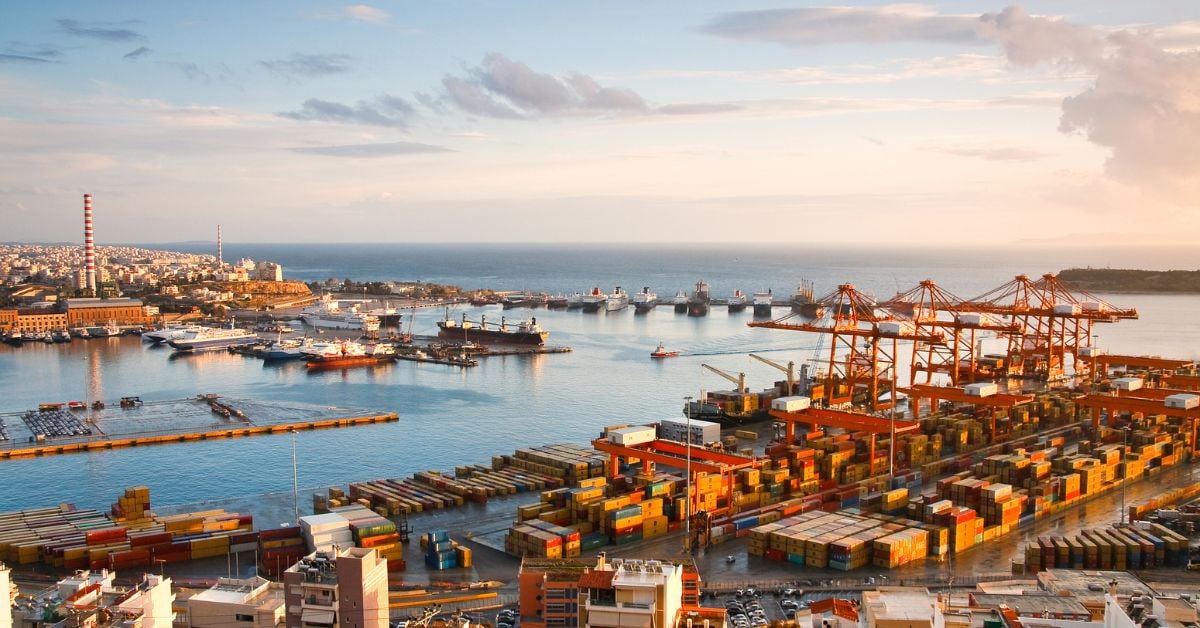
India's first e-methanol plant fuels cleaner shipping on the Asia-Europe corridor
A ₹2,300 crore investment now anchors India's first e-methanol plant, designed to supply cleaner fuel for ships on the Asia-Europe corridor. This is measurable progress, a calibrated step toward decarbonizing one of the world's busiest trade routes. Validated, real-time climate indicators demand such integrated solutions. The project reflects purpose-driven innovation, not hype. For deeper context on maritime welfare, see our coverage of the Seafarers' Welfare Centre approved for Goa's Mormugao Port. Understanding drives protection, from fuel formulation to port infrastructure.

Shipbuilding Orders Surge, Signaling Accelerated Maritime Growth.
The global shipbuilding orderbook is climbing at a 27% year-on-year rate, the fastest pace since the 2008 financial crisis. That is a decisive signal, not a blip. It points to a maritime sector gearing up for sustained demand, likely tied to fleet renewal and shifting trade routes. We read this as a measured vote of confidence in ocean commerce's trajectory.

Attack on Unmanned Vessel Highlights Escalating Risks in Black Sea
The attack on an unmanned vessel in the Black Sea, which left the wheelhouse smoking, underscores a stark reality: no asset is off-limits in this escalating conflict. That the ship was empty and crewless only sharpens the question of what target comes next. This incident does not exist in isolation. Our related coverage, including "Strikes Target Ports and Vessels in Confirmed Military Action," shows a deliberate pattern of targeting maritime infrastructure.

Ukrainian Navy Rescues Seafarers After Strike on Cargo Ship VENTURO
Seventeen Filipino seafarers are safe tonight because Ukrainian Navy crews moved swiftly after a Russian strike disabled the cargo ship VENTURO off Odesa. One life was lost in the attack, a sobering reminder of the human cost shadowing these waters. The rescue itself demonstrates real operational discipline under pressure. For those tracking the broader pattern of aggression against commercial shipping, our related report, "Strikes Target Ports and Vessels in Confirmed Military Action," provides essential context. This incident underscores why protecting maritime corridors demands constant vigilance.