mediation
6 stories filed under mediation on World Data Ocean. The newest of them: “From Awareness to Action: Measuring the Organizational Climate for Green Shipping”, “Escalating Tensions: Iran Condemns New Sanctions Amid Strait of Hormuz Discussions”, and “Geopolitical Tensions Ease: US and Iran Dialogue Advances in Strait of Hormuz”. Environmental values alone rarely translate into action. Iran's designation of the new U.S. A Global Hub for Ocean Intelligence 4 World Data Ocean is a centralized digital platform where researchers, scientists, and ocean enthusiasts converge to… The list below is every mediation story on World Data Ocean, newest first.

From Awareness to Action: Measuring the Organizational Climate for Green Shipping
Environmental values alone rarely translate into action. A study of 463 maritime employees reveals that psychological capital, the reservoir of hope, efficacy, resilience, and optimism, serves as the critical bridge. Organizational green climate amplifies this pathway, turning awareness into measurable pro-environmental behavior. Shipping companies cannot rely on slogans. They must cultivate internal psychological resources and a supportive culture.
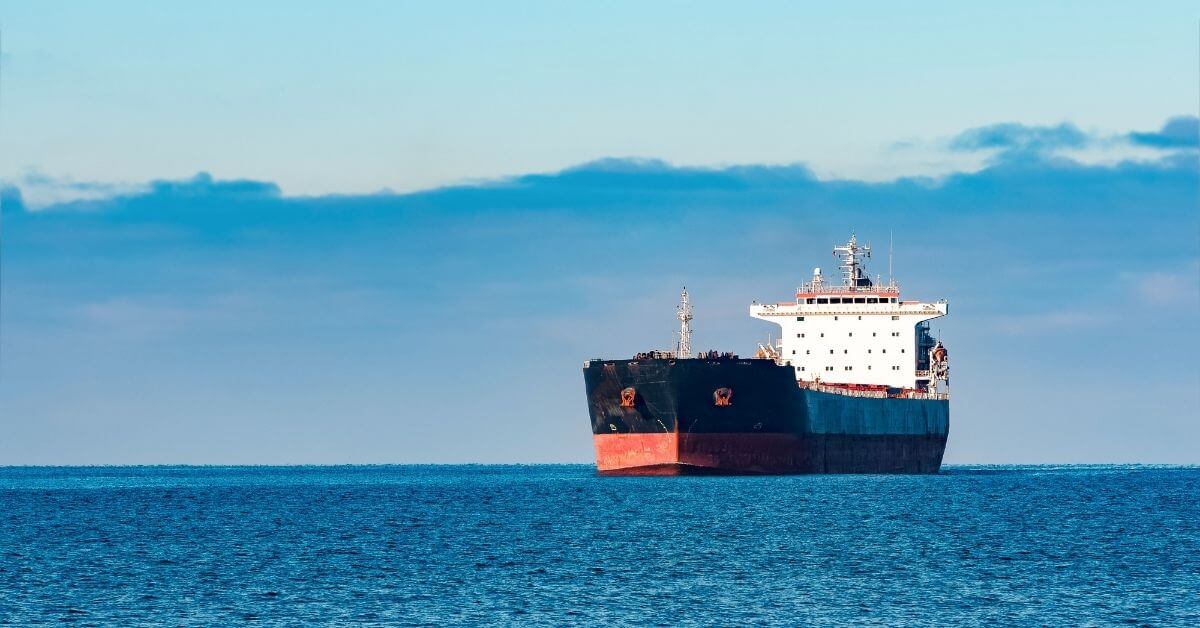
Escalating Tensions: Iran Condemns New Sanctions Amid Strait of Hormuz Discussions
Iran's designation of the new U.S. sanctions as "economic terrorism" sharpens a confrontation with direct consequences for civilian welfare across the region. The measures, as framed by Tehran, place the health and livelihoods of millions in a precarious balance, and that framing demands attention. This is not abstract geopolitics; it is a tangible pressure point with human cost.

Geopolitical Tensions Ease: US and Iran Dialogue Advances in Strait of Hormuz
The Strait of Hormuz remains a flashpoint, yet Tuesday's talks in Tehran signal a measured step toward de-escalation. Iranian Foreign Minister Abbas Araqchi's meeting with Pakistan's Interior Minister Mohsin Naqvi underscores that dialogue, however tentative, is advancing. We view this as a pragmatic move; the region's stability depends on such channels. For context on how pressure is building elsewhere, our piece on Gulf of Oman STS Transfers Max Out Amid Rising Saudi Oil Exports highlights the logistical strains already reshaping tanker traffic.

Iran Imposes Shipping Fees, Restricts U.S. and Israeli Vessels Through Hormuz.
Iran's move to impose shipping fees of up to 7% of cargo value on vessels transiting the Strait of Hormuz, alongside 20% fines for violations, injects a new layer of economic pressure into an already tense maritime corridor. The measure is direct and measurable, a calibrated response that signals resolve without escalating to confrontation. For shippers and insurers, the calculus shifts immediately. This follows patterns seen in our coverage of Gulf of Oman STS transfers, where capacity constraints already test regional logistics.

Regional Conflict Impacts Key Oil Shipping Routes in the Red Sea
The Red Sea's role as a critical artery for global oil movement is under direct threat, with Houthi military spokesperson Yahya Saree confirming strikes in response to Saudi drone incursions into Yemeni airspace. This escalation injects fresh volatility into an already strained shipping corridor. The region's fragility demands calibrated attention, not alarm. For context on how these pressures ripple outward, our piece on Gulf of Oman STS Transfers Max Out Amid Rising Saudi Oil Exports illustrates the strain on adjacent routes.

Shipping Route Stability: Iran Maintains Control of Strait of Hormuz.
The pause in fighting has steadied immediate concerns over further military escalation, yet the Strait of Hormuz remains a corridor where stability is measured in transit, not promises. Iran's maintained control here is a decisive factor for global oil flows, and we read this as a calibrated signal rather than a closed chapter. The diplomatic path forward is fragile, but for now, the route holds. For broader context on regional pressure points, our piece on Gulf of Oman STS transfers offers useful perspective.