maritime decarbonization
maritime decarbonization at World Data Ocean is a file of 2 stories. The newest of them: “Ammonia Dual-Fuel Carrier Terra Clove Marks a Measurable Step in Maritime Decarbonization” and “AI Optimizes Shipping for a Sustainable, Carbon-Constrained Future”. The world's first ammonia dual-fuel Very Large Ammonia Carrier, *Terra Clove*, is now a measurable data point in maritime decarbonization. The EU ETS is now pricing carbon from liner shipping, and our latest study shows AI can turn that regulatory pressure into measurable emissions cuts. A Global Hub for Ocean Intelligence 4 World Data Ocean is a centralized digital platform where researchers, scientists, and ocean enthusiasts converge to… The list below is every maritime decarbonization story on World Data Ocean, newest first.
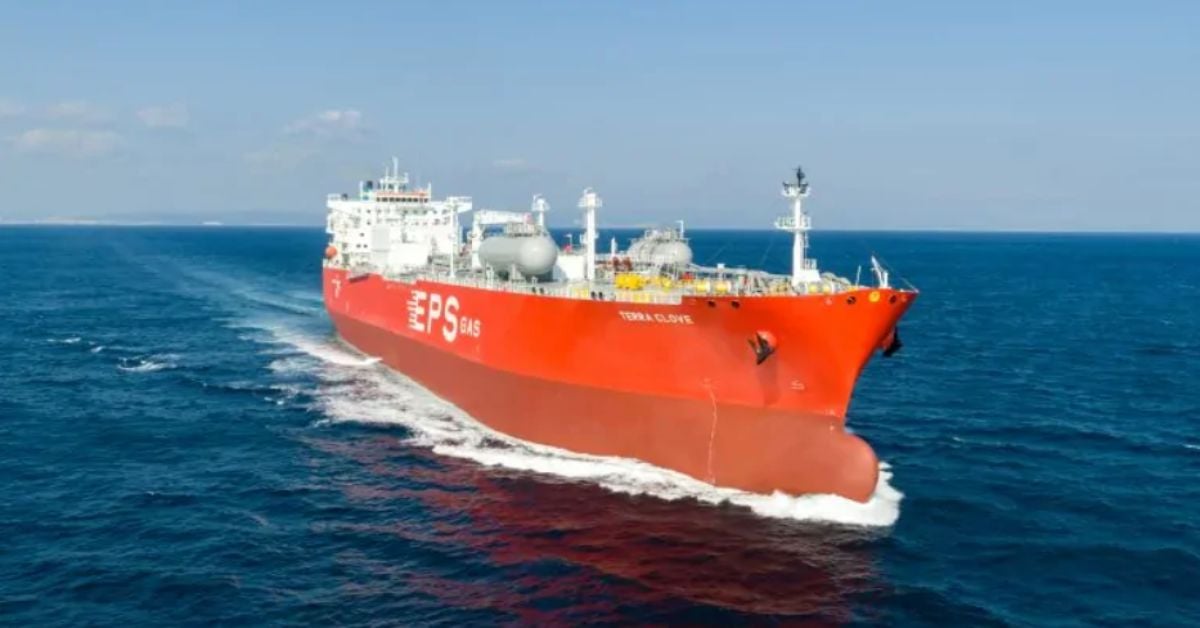
Ammonia Dual-Fuel Carrier Terra Clove Marks a Measurable Step in Maritime Decarbonization
The world's first ammonia dual-fuel Very Large Ammonia Carrier, *Terra Clove*, is now a measurable data point in maritime decarbonization. Eastern Pacific Shipping (EPS) has named a vessel that can burn its own cargo, validated by real-world engineering. This is not a promise; it is an empirical step toward lower-emission shipping. For deeper context on systemic safety gaps in enclosed spaces, see our related coverage on three decades of such incidents.

AI Optimizes Shipping for a Sustainable, Carbon-Constrained Future
The EU ETS is now pricing carbon from liner shipping, and our latest study shows AI can turn that regulatory pressure into measurable emissions cuts. We paired Bayesian Optimization with Mixed-Integer Linear Programming to model a support path that slashes cumulative physical emissions by 28.39% and ETS-covered emissions by 32.94% in an Asia, Europe case, all for a 0.213% resource cost increase. That is efficient, practical decarbonization. For more on port-side innovation, see our coverage of hybrid RTG cranes at Manila South Harbour.