maritime chokepoints
World Data Ocean keeps maritime chokepoints in one place: 7 stories so far. The section currently leads with “Geopolitical shocks reshape shipping routes with measurable regional divergence”, “Expanded Naval Presence Calibrated for Red Sea Shipping Security”, and “Enhanced Monitoring: China Expands Djibouti Base Near Key Shipping Lanes”. Geopolitical shocks are not uniform in their effects, they reshape shipping routes with measurable regional divergence. The European Union's call for more than ten warships to secure Red Sea shipping marks a calibrated response to a persistent threat. A Global Hub for Ocean Intelligence 4 World Data Ocean is a centralized digital platform where researchers, scientists, and ocean enthusiasts converge to… The list below is every maritime chokepoints story on World Data Ocean, newest first.

Geopolitical shocks reshape shipping routes with measurable regional divergence
Geopolitical shocks are not uniform in their effects, they reshape shipping routes with measurable regional divergence. A new two-scale framework, built from historical AIS data, reveals how maritime activity redistributed rapidly through the Red Sea-Suez Canal corridor versus the Cape of Good Hope, while Arctic shipping showed stronger temporal fluctuations tied to geopolitics, infrastructure, and environmental variability. This data-driven approach illuminates vulnerable corridors and network resilience.
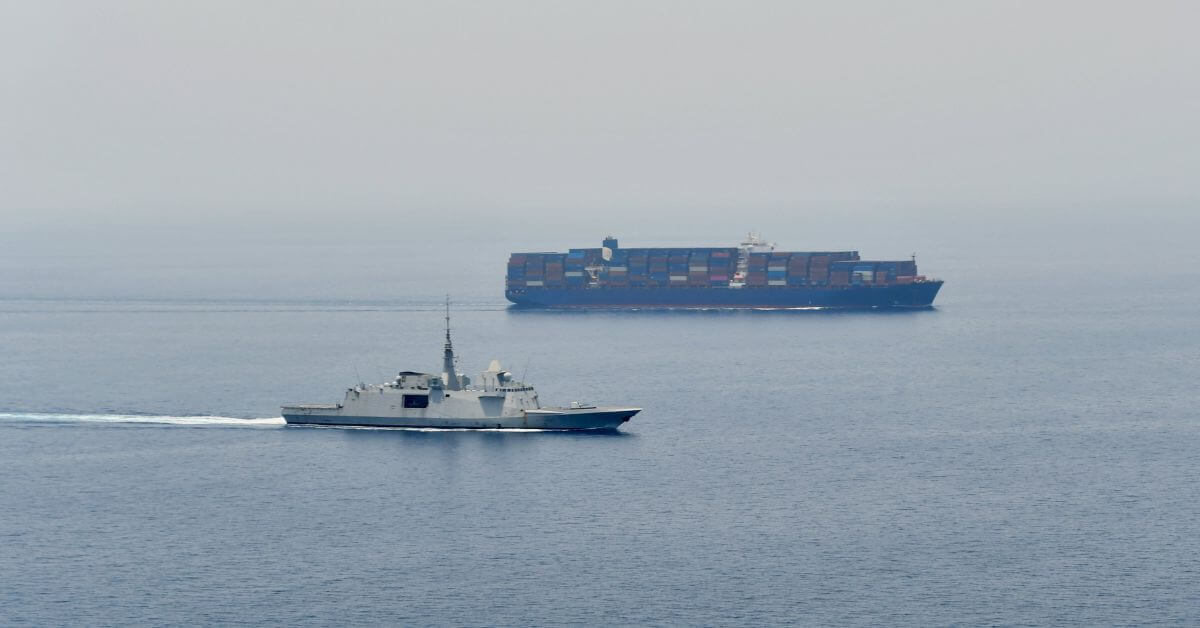
Expanded Naval Presence Calibrated for Red Sea Shipping Security
The European Union's call for more than ten warships to secure Red Sea shipping marks a calibrated response to a persistent threat. Kaja Kallas, the bloc's foreign policy chief, made the case on Monday, framing the expanded naval presence as a necessary measure for maritime stability. The numbers are telling: this is not a symbolic gesture but a concrete commitment.
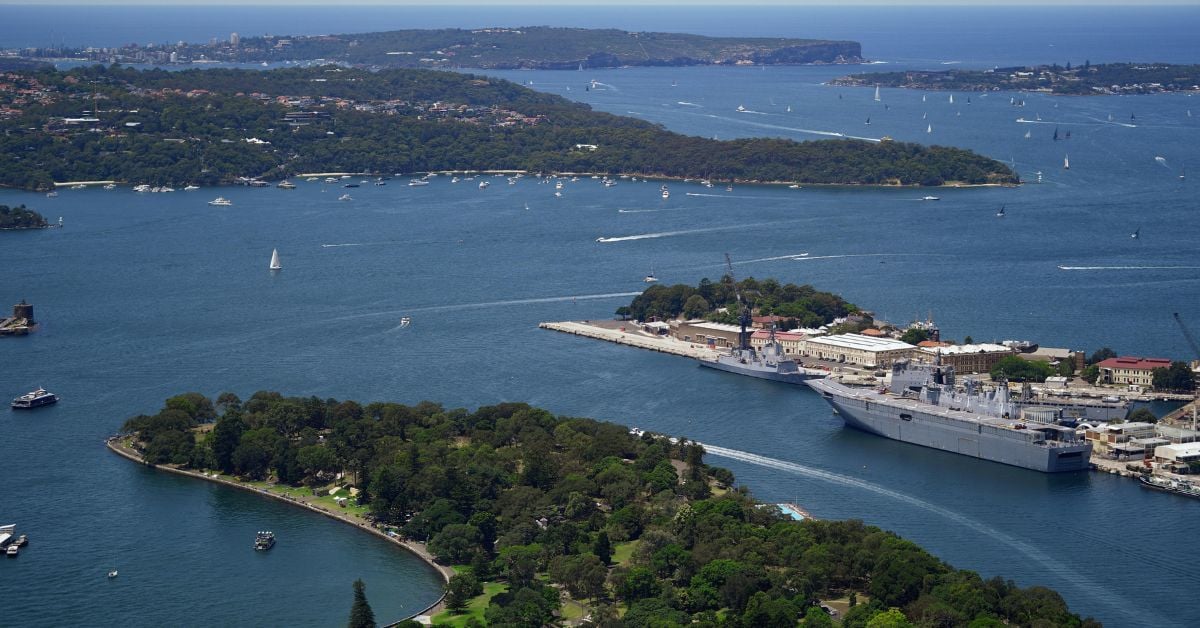
Enhanced Monitoring: China Expands Djibouti Base Near Key Shipping Lanes
Satellite imagery shows Beijing has expanded its Djibouti base with new radars, antennas, and naval assets, sharpening its watch over one of the world's busiest maritime corridors. The move is measured, deliberate, and strategically clear. It is not about alarm; it is about presence. For readers tracking how naval power reshapes trade routes, this pairs naturally with our report on Gulf of Oman STS transfers maxing out.
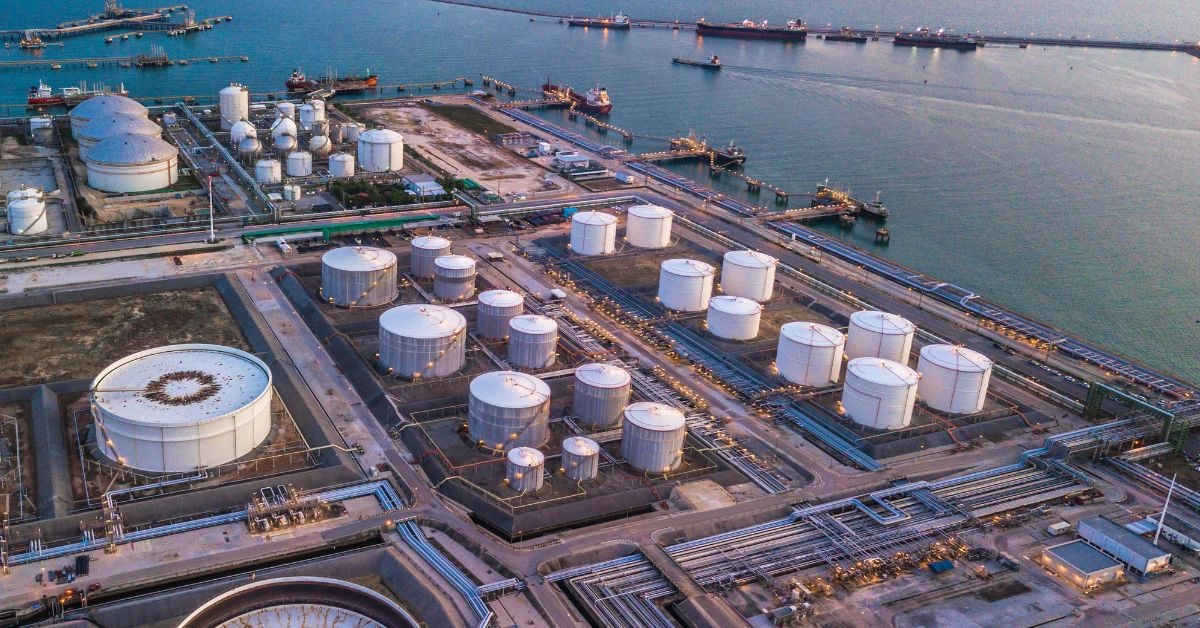
Securing Energy: Japan Plans Integrated Pipeline Network Beyond Hormuz Strait
Japan is moving to secure its energy lifeline with an integrated pipeline network designed to bypass the Strait of Hormuz, a strategic chokepoint where geopolitical friction carries real economic weight. The plan reflects a calculated shift toward resilience, not alarm. It is a measured response to a fragile maritime route, and one that warrants attention as global supply chains recalibrate. For broader context on regional bottlenecks, our related coverage on Gulf of Oman STS transfers offers a useful lens.

Arctic Shipping Route Emerges as Climate-Driven Alternative.
A scheduled Arctic route now links Ningbo to Felixstowe, with Sea Legend running the weekly service. This is not a distant proposal; it is a working commercial response to receding ice and shifting trade realities. The passage shortens transit times, yet it also demands calibrated investment in icebreaker support and polar infrastructure. Climate change is redrawing maritime maps, and carriers are adapting. For context on how nations are financing these northern lanes, see our coverage of Russia's icebreaker export revenue plans.

Red Sea Disruption: Houthis Emulate Iran, Impacting Maritime Trade Routes
The Houthis have declared a maritime blockade on Saudi shipping in the Red Sea, launching missiles and drones at the kingdom. This escalation, mirroring Iranian tactics, directly threatens a critical global artery. We view this not as posturing, but as a calibrated disruption with measurable consequences for energy flows. For deeper context on regional shipping pressures, our coverage of Gulf of Oman STS transfers maxing out offers a pertinent parallel. Understanding these integrated pressures is essential for navigating this volatile corridor.

Geopolitical Tensions Disrupt Global Shipping Lanes and Energy Flows
The war in West Asia has brought the United States and Iran into direct confrontation, and the world's most critical energy waterways are bearing the immediate cost. Shipping lanes that carry the lifeblood of global oil supply are no longer predictable, and the disruption is rippling outward into every market that depends on them. This is not abstract geopolitics; it is a measurable shift in how energy moves.