marine biology
126 stories filed under marine biology on World Data Ocean. The newest of them: “From Neurobiophysics to the Sea: Charting a Path to US Marine PhDs”, “The 25-Day Countdown to Shape Deep Sea Mining's Future”, and “Field-Bound Ecologist Maps a Career Path in Fisheries Observation”. A BSc in Neurobiophysics is not a barrier to a US marine biology PhD; it is a different kind of asset, one that brings a quantitative rigor many labs actively seek. Twenty-five days remain for public comment on The Metal Company's deep sea mining application, yet only 228 submissions have landed. A Global Hub for Ocean Intelligence 4 World Data Ocean is a centralized digital platform where researchers, scientists, and ocean enthusiasts converge to… The list below is every marine biology story on World Data Ocean, newest first.
From Neurobiophysics to the Sea: Charting a Path to US Marine PhDs
A BSc in Neurobiophysics is not a barrier to a US marine biology PhD; it is a different kind of asset, one that brings a quantitative rigor many labs actively seek. Your background in electroporation and microfluidic systems is a strong signal of technical maturity, and programs increasingly value that over a standard biology checklist. For a direct path, target interdisciplinary labs where bioengineering meets ocean observation, as your skillset will be seen as an integration tool, not a shortfall.
The 25-Day Countdown to Shape Deep Sea Mining's Future
Twenty-five days remain for public comment on The Metal Company's deep sea mining application, yet only 228 submissions have landed. That number stands in stark contrast to previous notice periods, where online campaigns generated thousands of responses. The silence is puzzling, especially given the surge of TikTok awareness earlier. One wonders if the urgency faded or if the conversation simply migrated. For those seeking deeper context, our related piece on verifying historical deep-sea claims offers a useful parallel.
Field-Bound Ecologist Maps a Career Path in Fisheries Observation
A degree in ecology and a minor in marine science can open doors to some of the most demanding field roles on the planet, and this graduate is aiming straight for the deck of a fisheries observer vessel. The decision to take a year between undergraduate study and graduate school is a sound one, especially when it involves collecting empirical data in Alaska's working waters.

Unidentified Skeleton on Puerto Rico Coast Stumps Local Experts
An eight-inch skull and vertebrae nearly the size of your palm, pulled from the same stretch of Puerto Rico's west coast, have left even the pros guessing. The fishermen on the beach were stumped. So was the NOAA contact who saw the photos. Google's image search suggests a drum fish, but the Caribbean species we know run small. This was dense, heavy, and undeniably out of place. Sometimes the ocean reminds us how much remains unmeasured.

Shallow-water sentinels reveal a hidden signal in the shifting sands
A shallow-water observer in Ventura County has surfaced a quiet puzzle from the intertidal zone. Swimming over these small, buried forms, the observer noted they close and vanish into the sand when a wave passes, most abundant at one to two meters deep, and fading past two and a half meters. The impression is of a larger body hidden below, with only a fraction exposed. It's a reminder that empirical observation, even casual, drives ocean intelligence.
Citizen Science Meets Machine Learning: Inside MBARI's Fathomverse
Understanding drives protection. MBARI's Fathomverse turns ocean exploration into a shared mission, letting anyone classify marine life from rover-captured imagery. The AI doesn't replace researchers; it accelerates their work, flagging species patterns that would take humans months to catalog. Your clicks calibrate algorithms, not displace jobs, they refine models that already guide conservation. It's measurable, peer-reviewed progress, not a threat. For those questioning the ethics, this is transparent, collaborative science.
Microbial DNA on Coral Reef Fish Gills Reveals Chemosynthesis Gene Pathways
The gills of coral reef fish carry microbial DNA that points to chemosynthesis gene pathways, a finding published in PLOS Genetics. It is a reminder that the ocean's biological machinery operates far beyond what we see. The work is precise, peer-reviewed, and expands our understanding of symbiosis in reef ecosystems. For broader context on ocean stress, our related piece on marine heatwaves offers a useful companion. This study underscores how much remains calibrated and connected beneath the surface.
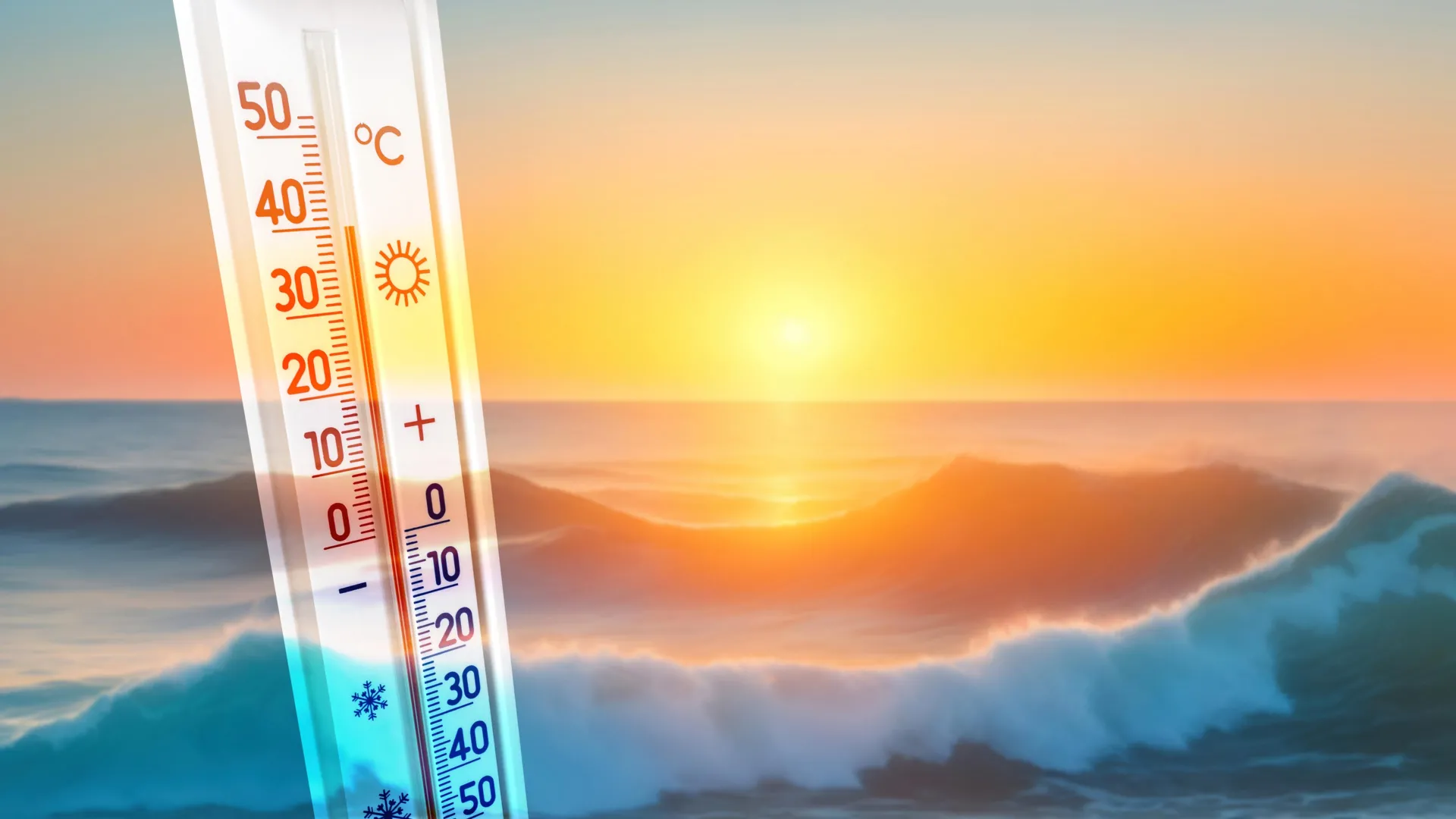
Measuring only heatwave peaks misses months of ocean heat stress
Marine heatwaves are not single spikes, they are often the visible crest of a much longer warming event, with elevated temperatures lingering for months. New research shows that conventional measurements, which focus only on peak intensity, underestimate total heat exposure by more than 150% on average. That is a significant blind spot in how we assess stress on marine ecosystems. Understanding drives protection, and this study clarifies why we must look beyond the peaks.
Navigating a Marine Studies BA: Pathways to a Marine Biology Career
A marine studies BA does not have to close the door on a career in fish identification, though it does require strategic planning. The degree's interdisciplinary focus, blending policy and humanities with ocean science, can support your goal, especially if you pair it with targeted coursework and your six-year observational hobby. Population monitoring is a viable entry point, as it demands the very taxonomic skills you already practice.
Do Fish Experience Cold, or Simply Temperature Change?
A fish's world is not our world. When Ed Yong's *An Immense World* notes that most fish lack TRPM8 and can tolerate near-freezing water, it suggests they register temperature without the sting of cold we feel. That doesn't mean they lack preference; a betta's heater exists because warmth supports their biology, not necessarily their comfort. They are driven by metabolic necessity, not sensation.
Exploring North Wind Group: A Look at Marine Mammal Care Opportunities
Applying for a marine mammal care role means knowing who holds the animals' welfare in their hands. North Wind Group presents an interesting case: the job description reads as standard husbandry, yet the employer's profile remains unclear to many applicants. That uncertainty is worth resolving before you commit. We appreciate the question, as it highlights a practical gap in ocean-career research.
Exploring Plankton Science: Accessible Research for Curious Ocean Observers
A two-year fondness for plankton, sparked by picture books and a saved-for net, is exactly how meaningful ocean observation begins. This researcher's request for accessible depth, rather than just surface-level facts, reflects a genuine curiosity that we share. It is a reminder that scientific literacy grows through patient, specific questions. For those ready to move beyond identification guides, we recommend exploring related coverage on species distribution, such as the unexpected chiton discovery challenging current models, to see how amateur observations can align with empirical inquiry.

Unidentified Nudibranch Observed in California Harbor Requires Further Research
A black-and-white nudibranch spotted in a California harbor has yet to match any known species, and that is precisely why it deserves attention. The observer's attempt to identify it came up empty, a reminder that our ocean intelligence remains incomplete. Unverified sightings like this are not conclusions; they are starting points. Further research, ideally peer-reviewed and empirically documented, could clarify whether this is an undocumented variation or a range shift tied to changing climate indicators.
Bridging Disciplines: A Veteran's Pathway to Marine Biology Studies
A veteran of Army special operations is trading one form of service for another, aiming for a PhD in marine biology after a BA in history and government. The pivot is bold, but the foundation is solid, even if it feels otherwise. The GI Bill provides the runway, and Rosenstiel's shark research program offers a clear target. This is not a casual interest; it is a calculated transition.

Tracking an Invasive Species: Sea Star Collection in Port Phillip Bay
A Saturday morning spent prying Northern Pacific Sea Stars from Port Phillip Bay's reef flats is a small, hands-on lesson in ecological consequence. This diver and his daughter, a soon-to-be marine biologist, were contributing to a grim tally: an estimated 165 million of these predators now call the bay home. Each female can release 20 million eggs, and the species has already devastated native shellfish beds since arriving via ballast water in the late 1980s.
Leveraging Computer Science Skills for Ocean Conservation Pathways
You don't need to choose between a desk and the deck. A CS background, paired with a GIS certificate, opens a credible pathway into ocean conservation without abandoning Seattle's tech ecosystem. The market values calibrated, integrated data skills, and roles in marine spatial planning or fisheries analytics are growing. Friday Harbor's post-bach option offers tangible field exposure. It's a practical, measurable first step, not a detour. Understanding drives protection, and your skills are already part of that equation.

Fragmented stingray barb discovered on North Carolina shoreline
A fragmented stingray barb, found in two pieces ten feet apart on a northern OBX shoreline, presents a compelling piece of ocean intelligence. The hollow, aloe-like structure with its small thorns is a classic, if weathered, example of a species that rarely leaves a complete record. While not rare, such finds are a reminder of the dynamic, integrated ecosystem at work.
Applied Science in Action: A Data Ocean Community Perspective
The applied science shared in this community post turns raw data into decisions with measurable impact. EmmArr29 shows how a data ocean perspective moves beyond theory, grounding ocean intelligence in real-world action. This is the integrated data ecosystem at work, where peer-reviewed evidence meets practical application. The piece complements our related coverage, including "Navigating a Marine Studies BA," by reinforcing that empirical pathways matter. Understanding drives protection, and this contribution proves that point with calibrated clarity.
Unidentified Object of 136 Grams Discovered on Florida Lagoon Shore
A 136-gram object found on the shore of Florida's Indian River Lagoon invites more questions than answers. Five years after its discovery, the unidentified form remains a puzzle that begs for empirical eyes. We appreciate the specificity of the weight and location; such details are the raw material of ocean intelligence. While we cannot identify it from description alone, we encourage community analysis. For those interested in how coastal finds challenge our understanding, our related piece on unexpected species distribution models offers useful context.
Unidentified Marine Structure Sparks Debate in Port Phillip Bay
A single gelatinous form, pulled from the shallows of Port Phillip Bay, has left both a diver and the broader community stumped. The unidentified marine structure, possibly a burrowing sea cucumber or a polychaete worm egg mass, resists easy classification. It is a reminder that our ocean intelligence still has gaps. For those tracking the health of these southern waters, such mysteries are as valuable as any peer-reviewed dataset. We encourage you to share your thoughts on its identity.
Cultivating a Young Oceanographer: Resources for Budding Marine Scientists
A seven-year-old with a career plan and a housing strategy is a force of nature. This family is asking the right questions, seeking direction without dimming her ambition. The request for open-source lectures and NOAA contacts shows a commitment to real, validated learning over fluff. That focus on empirical resources is exactly what builds a foundation. For those ready to connect their passion to the broader picture, our piece on bridging data gaps with citizen science offers a practical entry point.
Southern Ocean’s Carbon Absorption Capacity Faces Uncertainty Under Climate Scenarios
The Southern Ocean has long acted as Earth's quiet carbon sink, but new research in *Science Advances* suggests its capacity to absorb emissions is not guaranteed under shifting climate scenarios. This uncertainty carries measurable weight for global climate modeling. We cannot assume stability where the system itself is changing. Understanding these dynamics is essential, not optional. For broader context on how ocean systems respond to pressure, our related coverage of Atlantic Circulation Weakens: Global Climate Reshaping Predicted offers a useful parallel.
Antarctic Krill Reproduction Linked to Deep-Sea Hydrothermal Vent Activity
New research links Antarctic krill reproduction to deep-sea hydrothermal vent activity, and it changes how we read the Southern Ocean. The study, published in *Communications Biology*, suggests that vent-driven nutrient cycles may influence krill spawning patterns in ways surface observations alone cannot capture. That is a meaningful step toward integrated ocean intelligence, where biological and geological data meet.
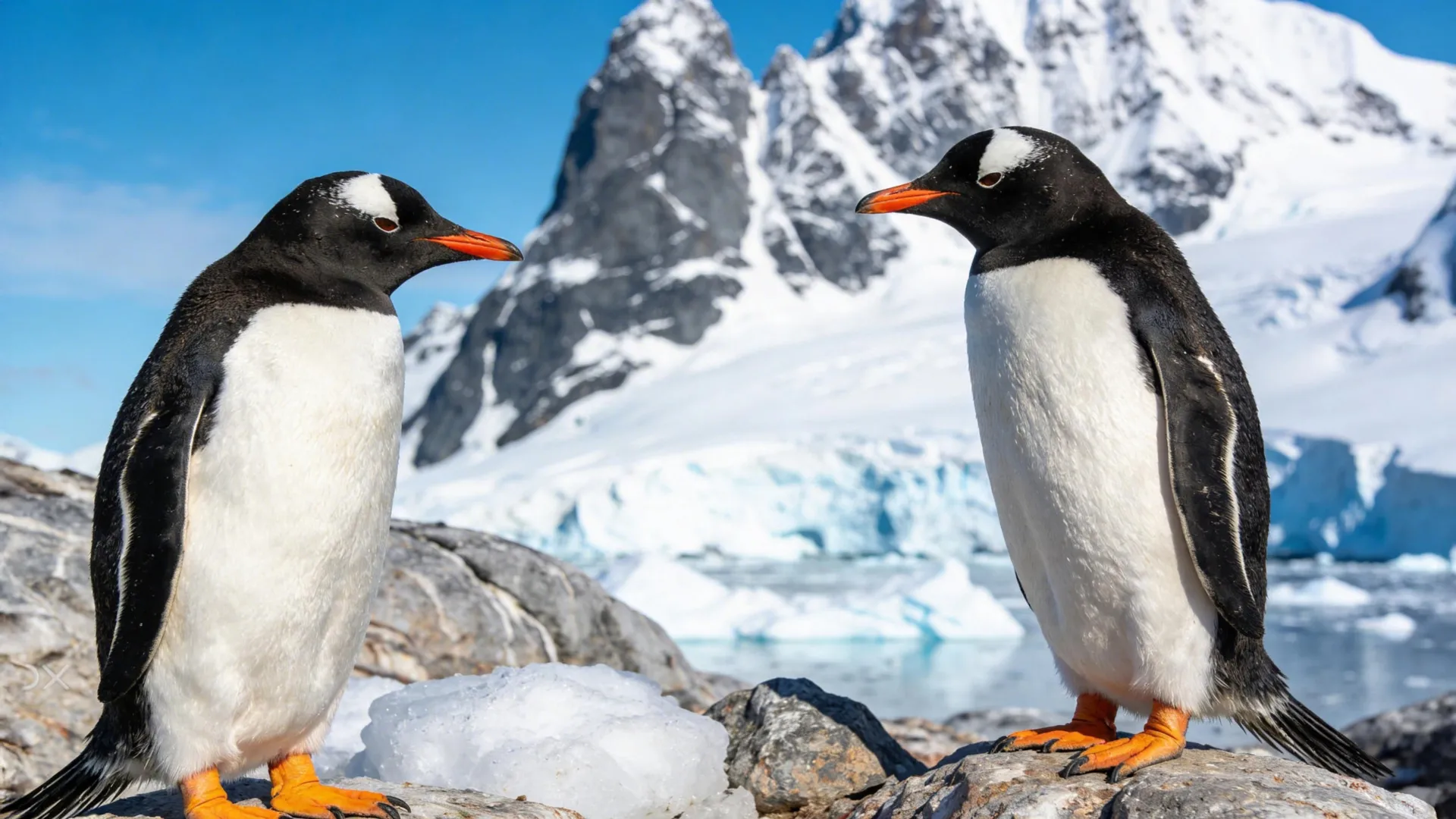
Genetic Data Reveals Four Gentoo Penguin Species, Highlighting Climate Threat
Genetic evidence has revealed that gentoo penguins are not one species but four, with a previously unknown population identified on the remote Kerguelen Islands. It is a reminder that biodiversity often hides in plain sight, even among well-studied animals. Yet the discovery carries an urgent warning: warming oceans could strip several island habitats by 2050. Understanding these distinctions is the first step toward protecting them.