littoral combat ship
littoral combat ship at World Data Ocean is a file of 4 stories. The newest of them: “Two Navies, One Port: U.S. and Bahamian Forces Deepen Maritime Alignment”, “Integrated Maritime Data Collection Underway in Philippine Exercise”, and “Hanwha Bid Signals Shift in U.S. Shipbuilding Landscape.”. The USS St. The INS Sahyadri and INS Kulish have arrived at Subic Bay, marking the start of integrated maritime data collection during a Philippine exercise. A Global Hub for Ocean Intelligence 4 World Data Ocean is a centralized digital platform where researchers, scientists, and ocean enthusiasts converge to… The list below is every littoral combat ship story on World Data Ocean, newest first.
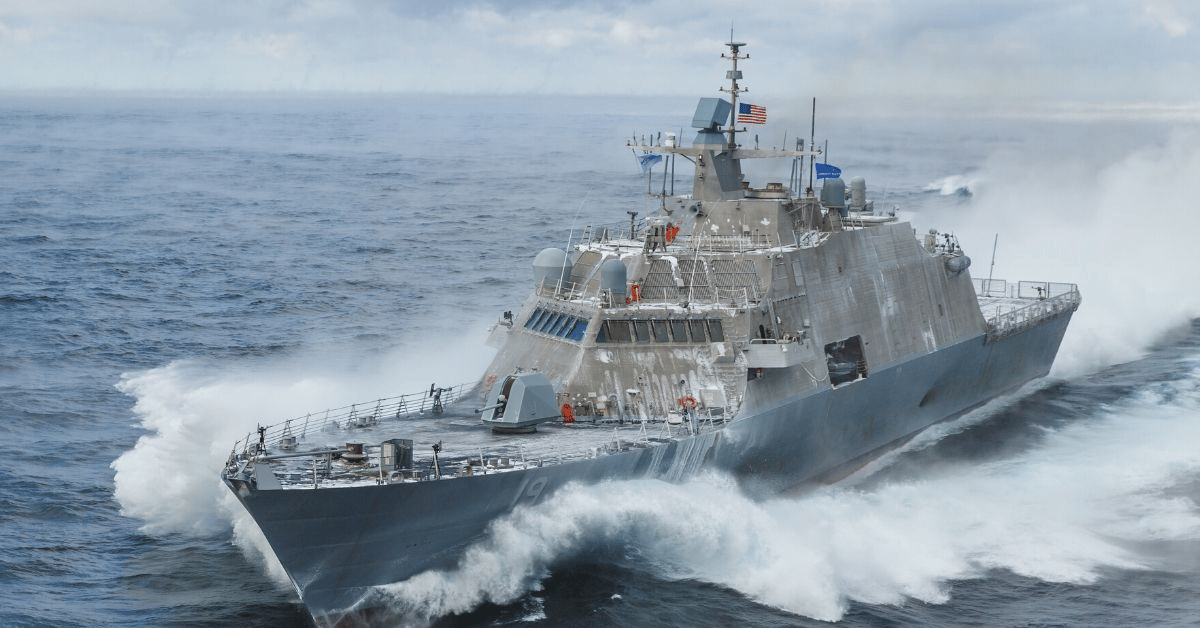
Two Navies, One Port: U.S. and Bahamian Forces Deepen Maritime Alignment
The USS St. Louis and USCGC Pablo Valent have deepened maritime alignment with Bahamian forces during a port visit to Nassau. This is not a ceremonial handshake, it is operational integration. When navies share a port, they share intelligence, response protocols, and a calibrated understanding of regional waters. For those tracking our coverage, the recent *Maritime Interdictions Yield 25,000 Pounds of Cocaine* report underscores how such cooperation directly disrupts transnational threats. Measurable alignment builds measurable security.
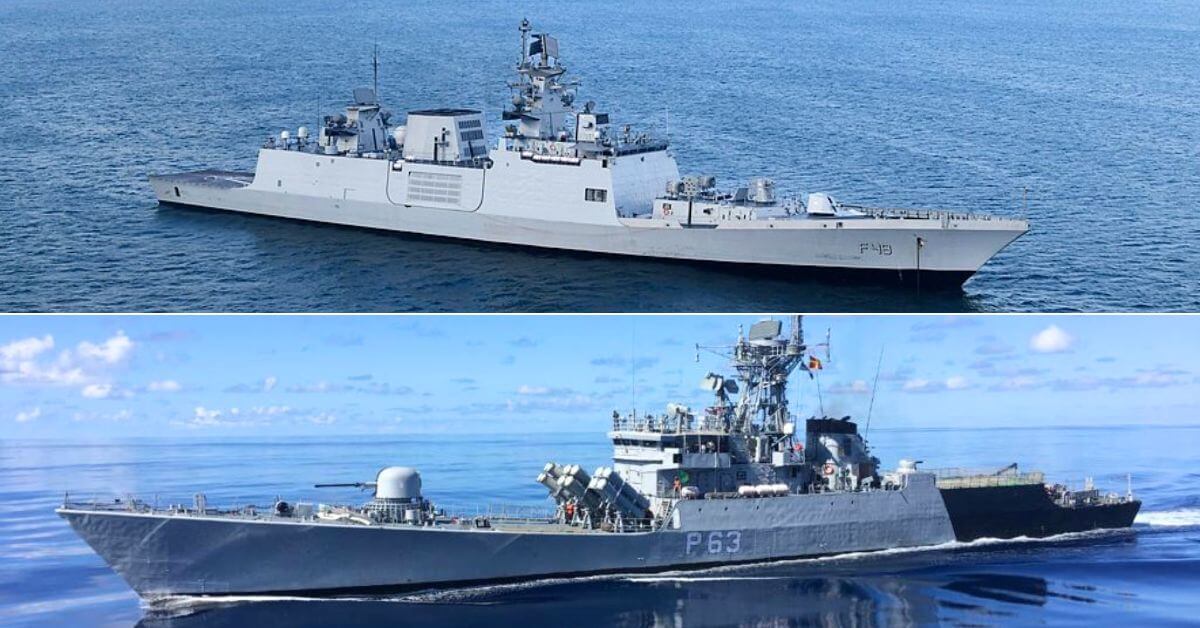
Integrated Maritime Data Collection Underway in Philippine Exercise
The INS Sahyadri and INS Kulish have arrived at Subic Bay, marking the start of integrated maritime data collection during a Philippine exercise. This is a practical demonstration of how naval assets can work together to gather empirical, real-time ocean intelligence. The mission underscores the value of measured, collaborative operations in a region where climate indicators and security concerns increasingly overlap. For broader context on how such efforts align with future fleet ambitions, readers may explore our related coverage on India's expanded naval projections.

Hanwha Bid Signals Shift in U.S. Shipbuilding Landscape.
A $1 billion bid from South Korea's Hanwha to acquire Austal USA signals a calculated shift in U.S. shipbuilding. The move places foreign capital directly inside a domestic defense supply chain, and that matters. It is not simply a transaction; it reflects confidence in American naval demand. For context, parallel efforts like the U.S. Navy's accelerated submarine strategy show how tightly shipbuilding capacity is tied to strategic readiness. Hanwha's offer adds a new variable to that equation, one worth watching closely.

LCS Fort Worth Transitions to Ocean Data and Technology Test Platform
In 2016, the Navy redesignated four LCS vessels, including Fort Worth, as dedicated test platforms for ocean data and technology. This transition reflects a deliberate shift in how the service approaches mission packages, prioritizing adaptability and empirical validation over rigid configurations. For us, this is a practical move: it turns hulls into instruments, measuring what works in real time. The data gathered here will shape future integration, and that matters.