iron ore
iron ore at World Data Ocean is a file of 9 stories. The newest of them: “Structural strain from uneven iron ore loading prevents hatch cover closure”, “Kiwi Frigate Monitors Sanctions, Enhancing Global Maritime Security Intelligence”, and “Lifeboat Recovered, Search Continues for Missing Crew in Bay of Bengal”. A Panamax bulk carrier's hull twisted under uneven iron ore loading, creating structural strain that prevented three hatch covers from closing. For three months, a Royal New Zealand Navy task group has monitored possible violations of UN sanctions against North Korea, turning a routine patrol into a concrete measure of maritime accountability. A Global Hub for Ocean Intelligence 4 World Data Ocean is a centralized digital platform where researchers, scientists, and ocean enthusiasts converge to… The list below is every iron ore story on World Data Ocean, newest first.
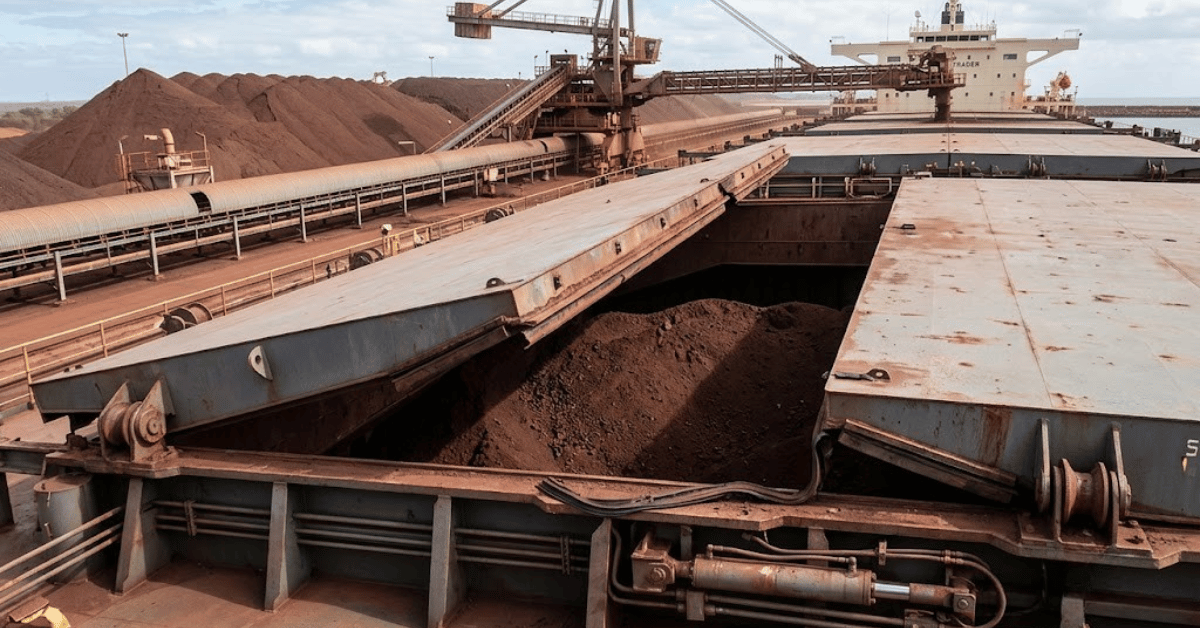
Structural strain from uneven iron ore loading prevents hatch cover closure
A Panamax bulk carrier's hull twisted under uneven iron ore loading, creating structural strain that prevented three hatch covers from closing. The cargo had to be re-trimmed before the vessel could secure its holds, a stark reminder that weight distribution is not just an operational detail but a critical safety parameter. These failures ripple outward. For deeper coverage of cargo-related incidents, see our report on the cargo spill in the Strait of Hormuz.
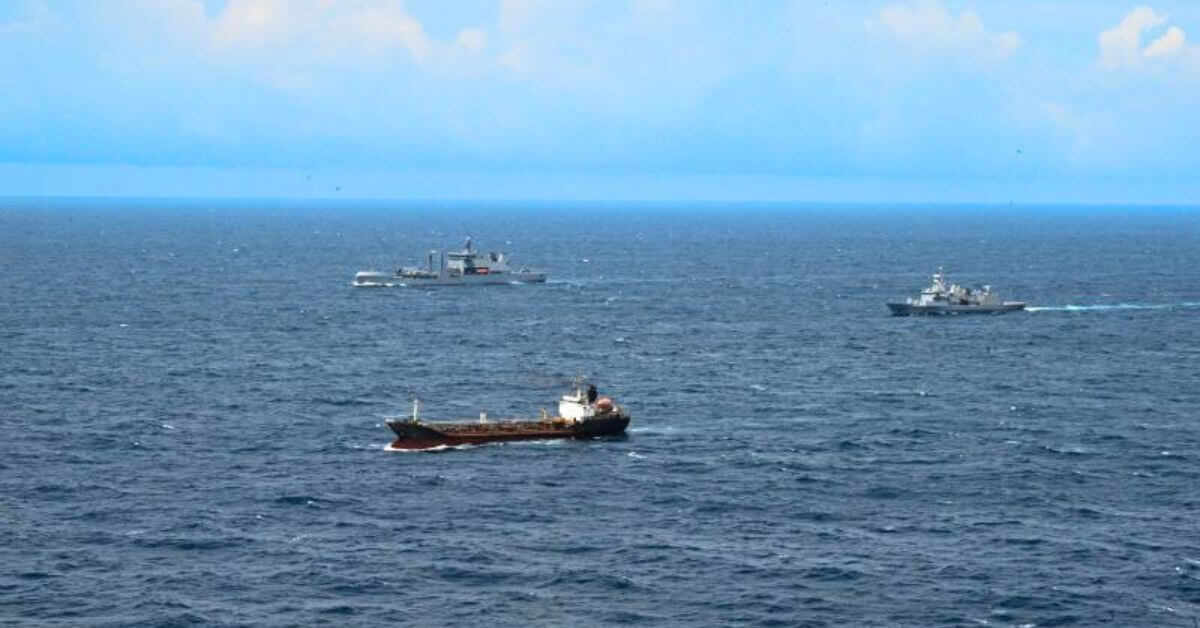
Kiwi Frigate Monitors Sanctions, Enhancing Global Maritime Security Intelligence
For three months, a Royal New Zealand Navy task group has monitored possible violations of UN sanctions against North Korea, turning a routine patrol into a concrete measure of maritime accountability. This is the kind of quiet, persistent work that gives "ocean intelligence" its weight. The deployment strengthens global security, yet it rarely makes headlines. It should. For deeper context on how regional navies are expanding their reach, see our related piece, "New Zealand Vessels Traverse Taiwan Strait En Route to Philippines Exercise.

Lifeboat Recovered, Search Continues for Missing Crew in Bay of Bengal
The Indian Coast Guard ship *Varad* recovered the lifeboat from the Bay of Bengal at approximately 7 a.m. Tuesday, yet the search for the missing crew continues. A boarding team inspected the craft and found no survivors. The absence of personnel raises sobering questions about the sequence of events. This measured outcome underscores the urgency of coordinated search efforts. For broader maritime context, our related coverage, including "Integrated Subsea Infrastructure Shifts to Enhance Indian Ocean Connectivity," highlights the region's growing strategic importance.

Bulk Carrier Sinks in Bay of Bengal; 22 Seafarers Missing.
A bulk carrier carrying 72,000 tonnes of iron ore from India's Paradip Port to China has sunk in the Bay of Bengal, leaving 22 seafarers missing. The loss is a stark reminder that maritime routes, however routine, remain exposed to sudden catastrophe. Search efforts continue, but each hour narrows the window for survival. Such incidents underscore why real-time data and integrated ocean intelligence matter, not as abstract concepts, but as tools that can guide safer passage.

MV Ocean Winner Sinks in Bay of Bengal; 22 Crew Missing
The MV Ocean Winner, a Panama-flagged bulk carrier, has sunk in the Bay of Bengal off Odisha, leaving 22 crew missing and only two survivors rescued from liferafts. The incident underscores the harsh realities of maritime transit in these waters, where operational risks remain high despite advancing navigation technology. Rescue efforts are now the priority, but the loss raises pressing questions about crew safety protocols.

Labor Action Impacts Operations at Key Global Export Port.
A four-year agreement is on the table at one of the world's busiest export gateways, where three unions are pressing BHP for contract terms that would stabilize a key link in the global supply chain. Labor action here carries measurable weight: any prolonged disruption ripples through iron ore flows and the shipping lines that move them. The stakes are clear, and the negotiations merit close attention.

Historic Iron Ore Shipwreck, F.J. King, Gains National Recognition
The F.J. King, a historic iron ore shipwreck, has gained national recognition, and the designation is well earned. The vessel was carrying a cargo of iron ore from Escanaba, Michigan, to Chicago when the crew lost control of a leak that spelled the vessel's end. It is a precise, measurable piece of maritime history, a reminder that the lake's waters hold stories of industry and loss.

Cargo Ship Detention Highlights Ongoing Challenges to U.N. Sanctions.
The detention of a Tanzanian-flagged cargo ship by South Korea underscores the persistent friction in enforcing U.N. sanctions on North Korea. This vessel reportedly dodged restrictions more than once, a clear signal that maritime evasion remains a live challenge. Enforcement is only as strong as the weakest link in the chain. For broader context on how allied navies and ports factor into this effort, our piece on the *Kiwi Frigate Monitors Sanctions* offers a useful parallel.

Record-Breaking Vessel Redefines Efficiency in Global Maritime Logistics
China State Shipbuilding Corp has delivered a self-discharging vessel that sets multiple records, redefining efficiency in global maritime logistics. This is not just a win for engineering; it is a measurable step toward smarter, more sustainable shipping. The vessel's design integrates practical innovation with operational precision, proving that record-breaking performance and environmental responsibility can move in the same current. For context on how data shapes such advances, our related piece on Maersk's rotor sail integration offers a useful parallel.