Iranian ports
16 stories filed under Iranian ports on World Data Ocean. The newest of them: “Stranded Iranian Vessels Off Sri Lanka Test Supply Limits and Sanctions Calculus”, “Projectiles Strike Two Tankers Near Strait of Hormuz, UKMTO Reports”, and “Strait of Hormuz Reopening Contingent on U.S. Actions, Iran States”. At least 19 Iranian cargo vessels sit idle off Sri Lanka, their fuel, food, and water supplies running low. Projectiles striking two tankers near the Strait of Hormuz, as reported by UKMTO, underscore the persistent volatility in this critical maritime corridor. A Global Hub for Ocean Intelligence 4 World Data Ocean is a centralized digital platform where researchers, scientists, and ocean enthusiasts converge to… The list below is every Iranian ports story on World Data Ocean, newest first.
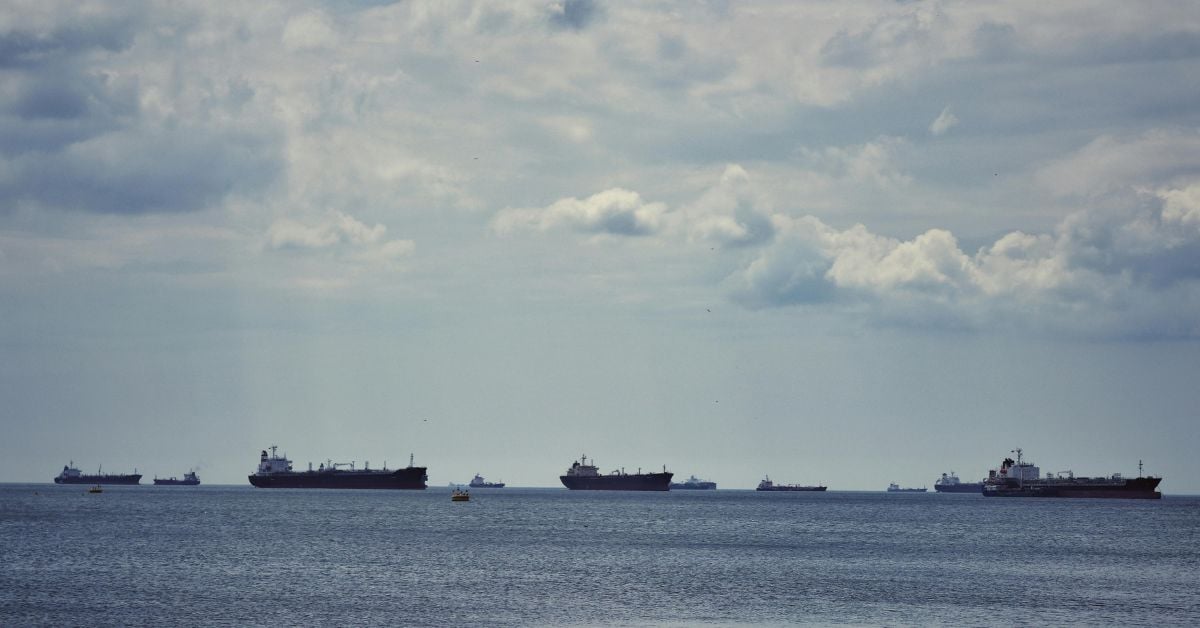
Stranded Iranian Vessels Off Sri Lanka Test Supply Limits and Sanctions Calculus
At least 19 Iranian cargo vessels sit idle off Sri Lanka, their fuel, food, and water supplies running low. This is not merely a logistical standoff; it tests the limits of supply-chain resilience and the calculus of international sanctions. The stranded ships highlight how geopolitical pressures ripple through global trade networks. Our related coverage on how divergent population trajectories reshape climate indicators offers a broader context for understanding such interconnected pressures.
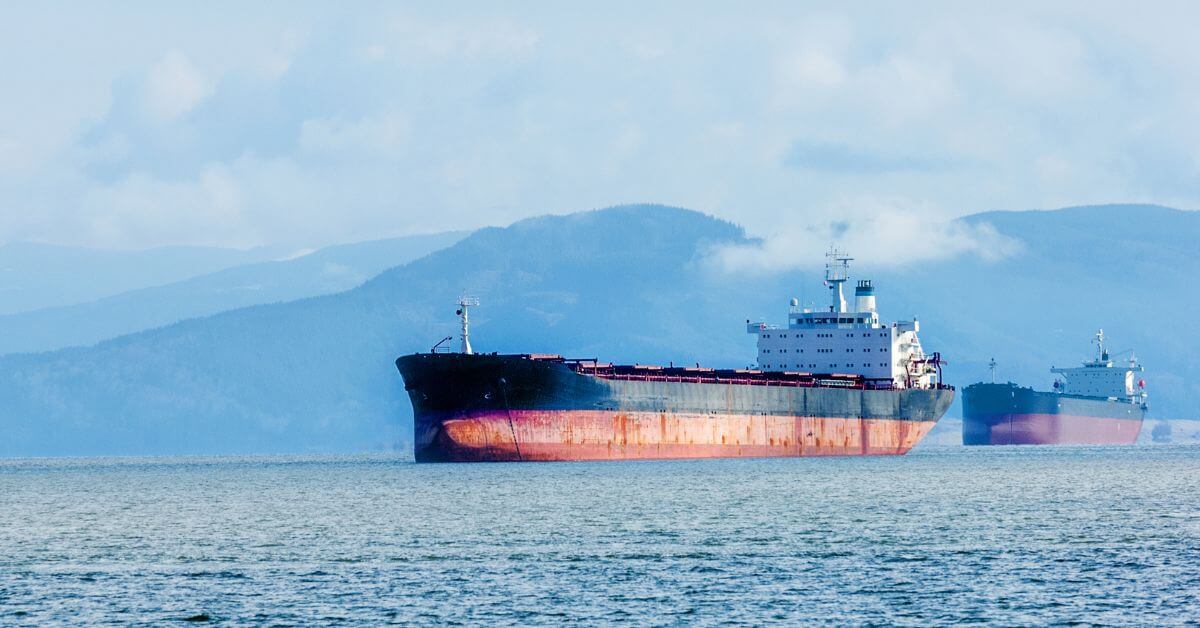
Projectiles Strike Two Tankers Near Strait of Hormuz, UKMTO Reports
Projectiles striking two tankers near the Strait of Hormuz, as reported by UKMTO, underscore the persistent volatility in this critical maritime corridor. Such direct threats to commercial vessels demand rigorous, real-time monitoring and collaborative security frameworks. The incident follows a similar disruption at Yanbu Port, where an unidentified projectile ignited a fire, highlighting a troubling pattern. Understanding these empirical threats is the first step toward developing calibrated responses that protect global shipping and ocean intelligence.
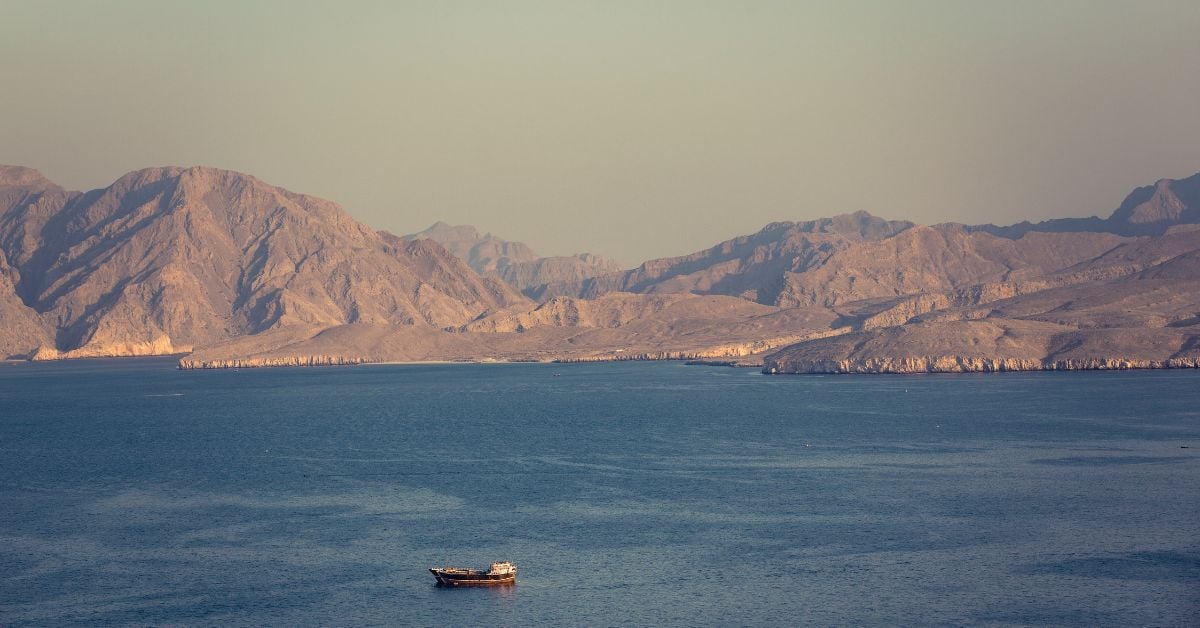
Strait of Hormuz Reopening Contingent on U.S. Actions, Iran States
Iran has linked the Strait of Hormuz's reopening to a single condition: the U.S. must lift its naval blockade of Iranian ports and end sanctions on Tehran. The announcement, which sets a one-week timeline, is a direct test of diplomatic intent. It is a high-stakes calculation, but not an unreasonable one. For context, our related coverage on Gulf of Oman STS transfers shows how regional oil flows are already straining at their limits.

Extended Deployment Highlights Crew Wellbeing Challenges Aboard USS Abraham Lincoln
Two hundred sixty days at sea. Ten thousand launches. One and a half million pounds of ordnance expended. The USS Abraham Lincoln's extended deployment is a measurable demonstration of endurance, yet it also places crew wellbeing at the forefront of operational planning. This is the reality of sustained naval power in a complex security environment. For a deeper look at how nations are extending their maritime reach, our recent analysis of China's new nuclear carrier is a useful comparison.

Sustained U.S. Naval Presence Ensures Ongoing Iranian Port Restrictions.
Defense Secretary Pete Hegseth confirmed the U.S. retains sufficient naval resources to sustain the blockade of Iranian ports indefinitely. That is not a posture of bluff; it is a statement of calibrated, measurable capability. The pressure remains deliberate, and the strategic intent is clear. For readers tracking the broader maritime picture, our related coverage on Gulf of Oman STS transfers maxing out offers useful context on regional shipping pressures. The blockade holds, and the message is consistent: persistence is part of the strategy.

U.S. Navy Intercepts Shipbound for Iran, Enforcing Maritime Restrictions
The U.S. Navy has intercepted the Vela Nova, the third vessel disabled since the July 14 blockade began, according to CENTCOM. Enforcement of maritime restrictions near Iran remains deliberate and measurable. Each interdiction reinforces a simple premise: rules at sea are not optional. For context on the region's rising tanker activity, our report on Gulf of Oman STS transfers offers useful depth. This is pressure applied methodically, not theatrically. The ocean is a shared system, and accountability is part of its operation.

Integrated Shipping Lanes: Iran and Oman Calibrate Transit Through Hormuz.
Iran and Oman have agreed on the transit routes ships will use through the Strait of Hormuz, a calibrated step toward stabilizing one of the world's most critical maritime chokepoints. The arrangement signals practical diplomacy at work, replacing uncertainty with measurable coordination. For shippers and nations alike, this is ocean intelligence in its most actionable form: clear lanes, agreed parameters, and a shared commitment to keeping trade moving.

Iranian Official: U.S. Naval Blockade Risks Escalation in Persian Gulf
Iran's military adviser, Mohsen Rezaei, has made the position unmistakable: Tehran will not tolerate a continued U.S. naval blockade in the Persian Gulf. The warning carries weight, but the region's maritime tensions are already stretching elsewhere. As our coverage notes, Gulf of Oman STS transfers are maxing out amid rising Saudi exports, and India is expanding its fleet for a more contested sea. These pressures do not exist in isolation. The Strait of Hormuz remains the fault line where economic pressure meets strategic risk.

Strait of Hormuz Traffic Declines Amid Increased Security Measures.
Commercial traffic through the Strait of Hormuz has dropped sharply following recent missile, drone, and shipping attacks, a measurable shift in one of the world's most vital maritime corridors. The decline underscores how immediate security threats now override the steady flow of energy that typically defines this waterway. This is not an abstract disruption; it is a calibrated response to real-time risk, and one that demands integrated monitoring.

Shipping Activity in Strait of Hormuz Declines Amid Rising Tensions
Shipping activity in the Strait of Hormuz has slowed markedly as regional tensions rise, with liquefied natural gas traffic particularly hard hit. No LNG carriers have transited the strait since Thursday, a telling sign of how quickly commercial risk reshapes movement through a critical maritime corridor. The data is measurable, and the trend is clear. For those tracking broader patterns, our coverage of Gulf of Oman STS transfers maxing out amid rising Saudi oil exports offers useful context.

Naval Actions Ensure Continued Commercial Transit Through Strait of Hormuz
Naval forces have moved to keep commercial traffic moving through the Strait of Hormuz, though CENTCOM has yet to disclose which vessels were involved or what prompted the enforcement actions. The lack of detail is notable, but the message is clear: this waterway stays open. It is a reminder that security operations and diplomatic efforts must work in tandem. For broader context on ongoing efforts, our piece on phased negotiations to ease restrictions offers a useful counterpoint to today's military posture.

Naval Action: US Disables Tanker in Arabian Gulf, Escalating Tensions.
The U.S. Navy's disablement of a tanker in the Arabian Gulf marks the first publicly confirmed case of a merchant vessel being taken out of action since Washington reinstated its naval blockade on Iran. It is a deliberate, calibrated escalation, not an accident. The move signals that economic pressure has crossed into active maritime enforcement. For readers tracking the diplomatic path forward, our related piece on phased negotiations toward easing Strait of Hormuz restrictions provides essential context.

U.S. Navy Enforces Blockade, Restricting Access to Iranian Ports.
Seventeen hours after reimposing the naval blockade, U.S. Central Command confirmed the Navy is enforcing restricted access to Iranian ports. The move is precise, deliberate, and calibrated to pressure without escalation. It is a direct signal, measured in hours, not rhetoric. For those tracking Gulf dynamics, the pressure on shipping lanes is mounting. Our related piece, "Phased Negotiations Aim to Ease Restrictions on Strait of Hormuz," offers essential context on whether this corridor might reopen.

Escalating Tensions: Iran Targets Seven Commercial Vessels, Civilian Casualties Reported.
The head of U.S. Central Command confirmed that Iran struck seven commercial vessels in the past week, with civilian crew members among the dead. This is not an abstract strategic calculation; it is a direct assault on the people who keep global trade moving. The violence is a stark reminder that maritime security is not a given, but a fragile condition requiring constant defense. For broader context on how nations are responding, our related piece on India's expanded naval fleet offers a timely perspective.

Naval Operations Impact Regional Shipping and Maritime Security.
CENTCOM's position is clear: commercial vessels transiting regional waters will continue to receive support, provided they respect the blockade. It is a calibrated stance, one that balances operational necessity with maritime stability. The decision reinforces that security in these shipping lanes is not abstract; it is measured, enforceable, and tied to compliance. This is not about rhetoric. It is about maintaining order where the margins for error are thin.

U.S. Assertions in Hormuz Strait Escalate Tensions Amid Ongoing Conflict.
For the third consecutive night, U.S. forces struck Iranian targets, even as President Trump insisted a deal remains possible if Tehran cooperates. The dual track is not a contradiction; it is pressure and an open door, measured in calibrated increments. Escalation, however, tends to develop its own momentum. As this cycle continues, the risks to regional shipping are compounding.