Iranian oil
Iranian oil at World Data Ocean is a file of 4 stories. The newest of them: “Rethinking sanctions on shadow tankers to steady global freight rates”, “Panama Registry Enforces Sanctions by Removing Three Tankers Tied to Iranian Oil”, and “Shipping Routes Shift: Chinese Tankers Navigate Geopolitical Risks.”. A calibrated adjustment to sanctions on shadow tankers could steady global freight rates by allowing certain previously restricted vessels to carry oil and petroleum products not banned under US sanctions. The Panama Maritime Authority has removed three tankers, Bitu, Starway, and Mackerel, from its registry and initiated cancellation proceedings, enforcing sanctions tied to Iranian oil. A Global Hub for Ocean Intelligence 4 World Data Ocean is a centralized digital platform where researchers, scientists, and ocean enthusiasts converge to… The list below is every Iranian oil story on World Data Ocean, newest first.
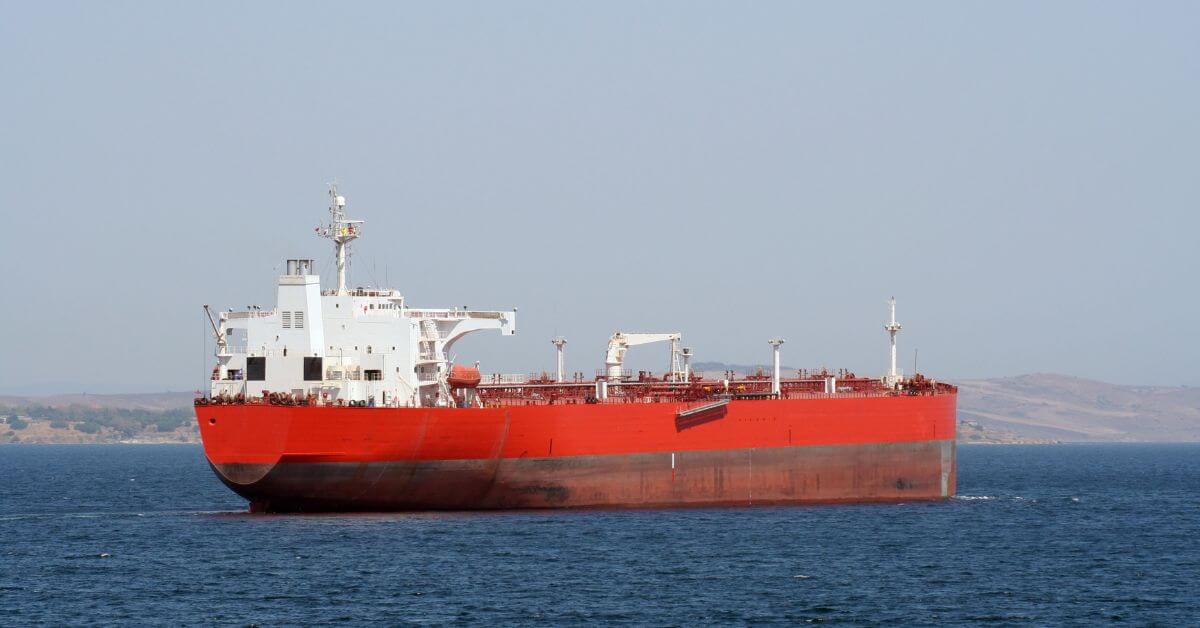
Rethinking sanctions on shadow tankers to steady global freight rates
A calibrated adjustment to sanctions on shadow tankers could steady global freight rates by allowing certain previously restricted vessels to carry oil and petroleum products not banned under US sanctions. This measured approach prioritizes market stability without compromising enforcement integrity. For deeper context on how maritime regulations shape trade friction, our related coverage of "Maritime fees signal friction in trade amid climate and shipping integration" explores similar dynamics.
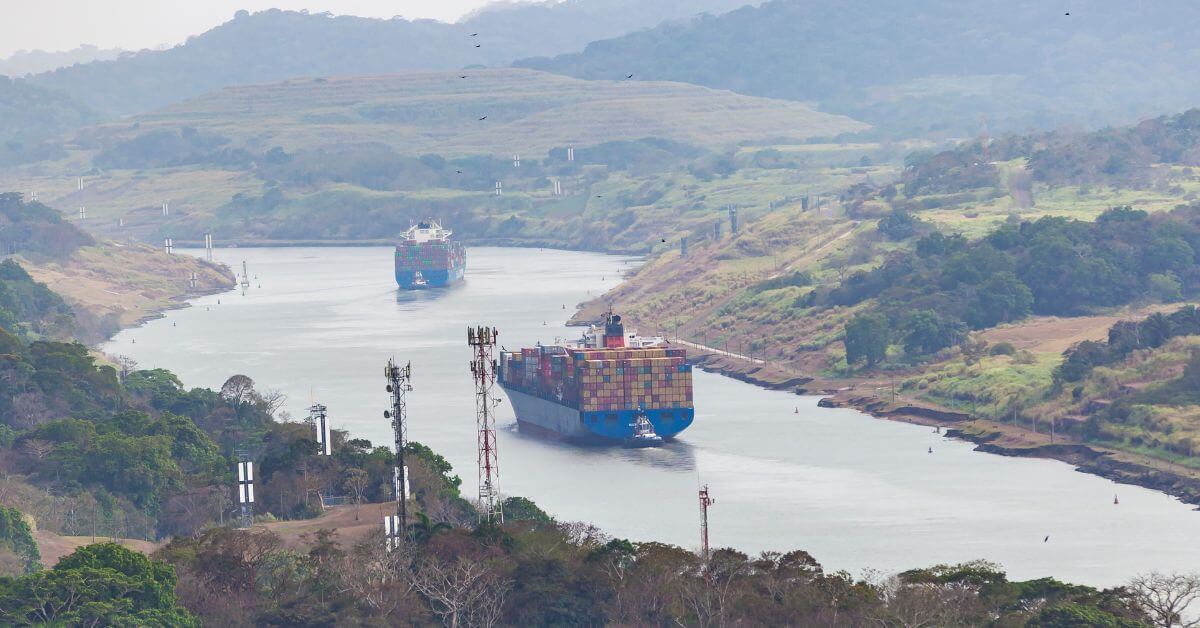
Panama Registry Enforces Sanctions by Removing Three Tankers Tied to Iranian Oil
The Panama Maritime Authority has removed three tankers, Bitu, Starway, and Mackerel, from its registry and initiated cancellation proceedings, enforcing sanctions tied to Iranian oil. This is measured, direct action, not rhetoric. Maritime registries are only as credible as their compliance systems. For deeper context on how Iranian vessels are testing global supply limits and sanctions calculus, see our coverage of stranded Iranian ships off Sri Lanka.

Shipping Routes Shift: Chinese Tankers Navigate Geopolitical Risks.
Chinese and Hong Kong-owned tankers are now turning to ship-to-ship transfers in the Gulf of Oman and near Fujairah, a quiet but telling adjustment to shifting geopolitical pressures. The maneuver is practical, measured, and speaks to how rapidly maritime strategy adapts when routes tighten. This is not alarmism; it is logistics under constraint. For deeper context on how regional chokepoints are evolving, our related coverage on Gulf of Oman STS transfers maxing out offers useful grounding.

Shipping Traffic Declines in Strait of Hormuz Amid Rising Tensions.
Ship traffic through the Strait of Hormuz fell to multi-week lows on Sunday, a measurable shift for one of the world's most vital energy chokepoints. The decline reflects rising tensions in the region, and the numbers warrant close attention. This is not speculation; it is calibrated observation. For broader context on how regional dynamics are shifting, our coverage of phased negotiations, including "Phased Negotiations Aim to Ease Restrictions on Strait of Hormuz," offers a constructive counterpoint.