Iranian crude
2 stories filed under Iranian crude on World Data Ocean. The newest of them: “Satellite tracking flags first Iranian crude transfer past naval patrols since July” and “Escalating Tensions: Sanctions Aim to Preserve Stability in the Hormuz Strait.”. A tanker has loaded Iranian crude via ship-to-ship transfer in the Persian Gulf, potentially becoming the first to breach the US naval blockade since July. Sanctions targeting the Hormuz Strait are designed to reinforce the existing US blockade, not replace it. A Global Hub for Ocean Intelligence 4 World Data Ocean is a centralized digital platform where researchers, scientists, and ocean enthusiasts converge to… The list below is every Iranian crude story on World Data Ocean, newest first.
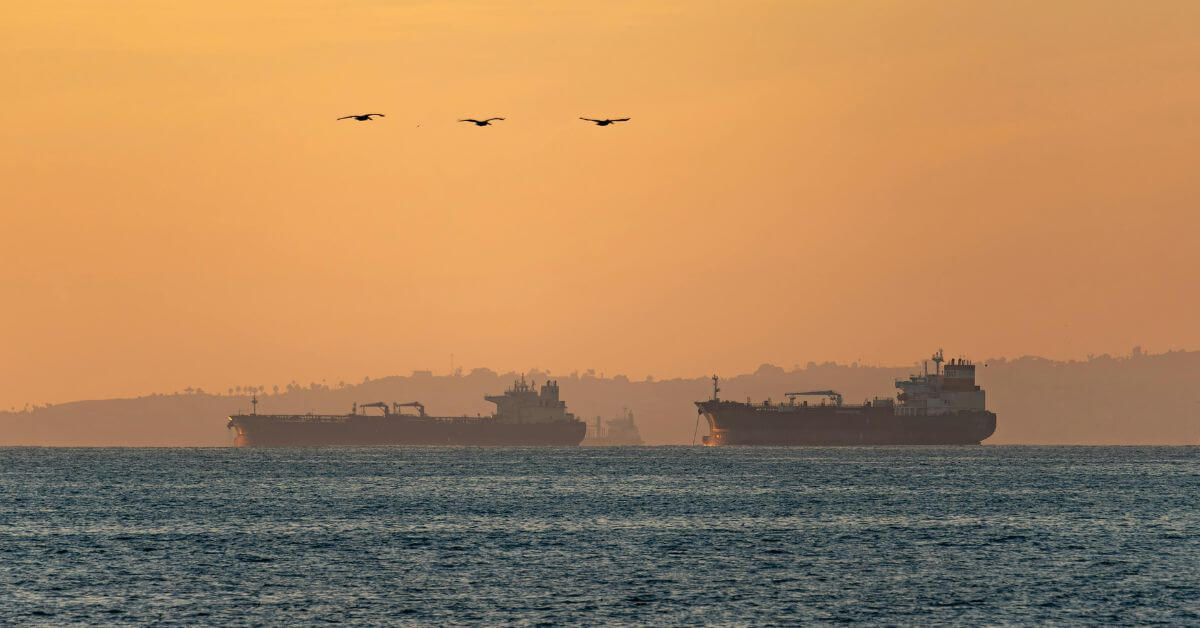
Satellite tracking flags first Iranian crude transfer past naval patrols since July
A tanker has loaded Iranian crude via ship-to-ship transfer in the Persian Gulf, potentially becoming the first to breach the US naval blockade since July. This measured evasion signals a calibrated escalation in maritime oil trafficking, one that demands empirical tracking to understand shifting risk patterns. For deeper context on naval posture changes in the region, see our coverage of "Carrier Presence Shifts as Middle East Naval Posture Reduces to Two Vessels." Understanding these movements drives protection of global energy security.

Escalating Tensions: Sanctions Aim to Preserve Stability in the Hormuz Strait.
Sanctions targeting the Hormuz Strait are designed to reinforce the existing US blockade, not replace it. Treasury Secretary Bessent stated these measures could prevent a return to large-scale military conflict, a goal that demands precision over posturing. This is strategic pressure, carefully calibrated. For context on regional energy flows, our related coverage of Gulf of Oman STS transfers offers useful perspective. The objective remains stability, achieved through measured economic deterrence rather than escalation.