iran
World Data Ocean keeps iran in one place: 179 stories so far. The section currently leads with “Red Sea Risk Zone Expands as Insurers Respond to Houthi Actions”, “QatarEnergy LNG Transit Signals Shift in Regional Trade Dynamics”, and “Red Sea Security: Saudi Arabia Proposes International Maritime Coalition.”. London's marine insurance market has widened the Red Sea's high-risk zone following Houthi attacks on Saudi-linked vessels, a measured response to a volatile reality. The Al Areesh's passage through the Strait of Hormuz on July 29, following its July 4-6 loading at Ras Laffan, signals a measured recalibration of regional trade flows. A Global Hub for Ocean Intelligence 4 World Data Ocean is a centralized digital platform where researchers, scientists, and ocean enthusiasts converge to… The list below is every iran story on World Data Ocean, newest first.

Red Sea Risk Zone Expands as Insurers Respond to Houthi Actions
London's marine insurance market has widened the Red Sea's high-risk zone following Houthi attacks on Saudi-linked vessels, a measured response to a volatile reality. This is prudent, not panicked. Insurers are calibrating risk with precision, and the expansion reflects empirical threats rather than speculation. For those tracking regional chokepoints, our coverage of Gulf of Oman STS transfers offers useful context. Understanding drives protection, and here, the data speaks clearly.

QatarEnergy LNG Transit Signals Shift in Regional Trade Dynamics
The Al Areesh's passage through the Strait of Hormuz on July 29, following its July 4-6 loading at Ras Laffan, signals a measured recalibration of regional trade flows. This is not alarm, but observation: energy routes are shifting, and QatarEnergy LNG sits at the center of that realignment. The vessel's transit carries weight precisely because it is routine. For deeper context on how nearby waters are straining under increased traffic, our related coverage on Gulf of Oman STS transfers maxing out offers a useful parallel.

Red Sea Security: Saudi Arabia Proposes International Maritime Coalition.
Saudi Arabia's proposal for an international maritime coalition targets the Houthi Group's escalating Red Sea disruption with a direct, collective response. The plan signals a calibrated shift toward shared security, though its success hinges on broad naval cooperation and sustained political will. It is a measured step, not a headline grab. For context on regional pressure points, our coverage of the Gulf of Oman STS transfers maxing out shows how tightly linked these maritime chokepoints have become.

US Actions Target Iran's Maritime Revenue Flow Through Strait of Hormuz
The United States and Saudi Arabia have launched joint strikes on Iran-backed groups in Iraq, while Washington's broader pressure campaign targets Tehran's maritime revenue through the Strait of Hormuz. These moves are precise, deliberate, and calibrated to disrupt financial flows without escalating into wider conflict. Pressure this measured can work, but only if it remains consistent. For context on how regional oil movements are already straining, our related piece on Gulf of Oman STS transfers offers useful grounding.

Drone Strike Damages US-Owned Gas Tanker, Spreading Fire to Second Vessel
A drone strike has damaged the US-owned gas tanker Energos Winter, with fire spreading to a second vessel, according to British maritime security firm Ambrey. The attack underscores the persistent volatility in a region where energy transit remains precarious. This incident arrives as diplomatic efforts, including the phased negotiations covered in our related article, aim to ease restrictions on the Strait of Hormuz.

Strait of Hormuz: Maritime Security and International Law Asserted.
The U.S. military has rejected claims that the Strait of Hormuz falls under unilateral control, asserting instead that it remains an international waterway bound by maritime law. That position is correct, and it matters globally. The strait is not a bargaining chip; it is a corridor where legal norms must hold. For readers tracking the stakes, our related piece on phased negotiations offers useful context. The rule of law, not escalation, should define this passage.

Protecting Red Sea Shipping: Saudi Arabia Pursues International Collaboration.
Saudi Arabia is moving to assemble an international coalition aimed at securing Red Sea shipping lanes against Houthi threats, according to media reports. This is a calculated step toward protecting a corridor that carries a significant share of global trade. The move signals a recognition that maritime security cannot be managed alone. For deeper context on regional oil flows, our related piece on Gulf of Oman STS Transfers Max Out Amid Rising Saudi Oil Exports offers useful grounding.

Oman Proposes Transit Fees for Strait of Hormuz, Awaits Response.
Oman's proposal to levy transit fees on Strait of Hormuz traffic introduces a pragmatic, if contentious, lever into one of the world's most vital shipping lanes. The move underscores how maritime chokepoints are becoming instruments of economic statecraft. Iran's simultaneous denial of talks with Washington, paired with its conditional pledge to hold fire, keeps the region's temperature measured but uncertain. Measured dialogue, not alarm, is the path forward.

Disagreement Over Hormuz Strait Impacts Vital Shipping Route Accessibility.
The latest disagreement over the Strait of Hormuz marks a direct setback to reopening one of the world's most vital energy arteries after months of conflict. Progress was never guaranteed, but this stalling carries measurable weight for global shipping and climate-dependent supply chains. The path forward demands calibrated negotiation, not posturing. For context on how regional pressures are already reshaping oil flows, our related coverage on Gulf of Oman STS transfers maxing out offers a clearer picture of the strain.

Regional Conflict Impacts Key Oil Shipping Routes in the Red Sea
The Red Sea's role as a critical artery for global oil movement is under direct threat, with Houthi military spokesperson Yahya Saree confirming strikes in response to Saudi drone incursions into Yemeni airspace. This escalation injects fresh volatility into an already strained shipping corridor. The region's fragility demands calibrated attention, not alarm. For context on how these pressures ripple outward, our piece on Gulf of Oman STS Transfers Max Out Amid Rising Saudi Oil Exports illustrates the strain on adjacent routes.

Red Sea Disruption: Houthis Emulate Iran, Impacting Maritime Trade Routes
The Houthis have declared a maritime blockade on Saudi shipping in the Red Sea, launching missiles and drones at the kingdom. This escalation, mirroring Iranian tactics, directly threatens a critical global artery. We view this not as posturing, but as a calibrated disruption with measurable consequences for energy flows. For deeper context on regional shipping pressures, our coverage of Gulf of Oman STS transfers maxing out offers a pertinent parallel. Understanding these integrated pressures is essential for navigating this volatile corridor.

Shipping Route Stability: Iran Maintains Control of Strait of Hormuz.
The pause in fighting has steadied immediate concerns over further military escalation, yet the Strait of Hormuz remains a corridor where stability is measured in transit, not promises. Iran's maintained control here is a decisive factor for global oil flows, and we read this as a calibrated signal rather than a closed chapter. The diplomatic path forward is fragile, but for now, the route holds. For broader context on regional pressure points, our piece on Gulf of Oman STS transfers offers useful perspective.

U.S. Verifies Tanker in Gulf of Oman, Voyage Continues.
A U.S. verification boarding of the Comoros-flagged tanker M/T Charminar in the Gulf of Oman proceeded without incident, and the vessel has since resumed its voyage. Such checks are calibrated, routine measures that sustain maritime transparency. They reinforce the integrated data ecosystem that keeps vital shipping lanes open. For context on the pressures shaping these waters, our related coverage on Gulf of Oman STS transfers maxing out offers a clearer picture. Verification is not disruption; it is the empirical anchor of safe passage.

Mine Strike Damages Tanker in Strait of Hormuz; Shipping Risks Rise
A mine strike has damaged a tanker in the Strait of Hormuz after it left a shipping route designated by Iranian authorities, according to Tasnim. The incident underscores how quickly risk is escalating in a waterway that carries a third of global oil trade. This is not a distant threat; it is a live disruption with immediate consequences for maritime security.

Red Sea Attack: Ballistic Missiles Intercepted Near Saudi Oil Ports
In Yanbu, two ballistic missiles aimed at Saudi oil installations were intercepted by a U.S.-made Patriot system, a defensive success that underscores the fragile calculus of energy transit in the region. Precision like this matters, yet it also signals how routine such threats have become. For readers tracking the strain on maritime routes, our related coverage on Gulf of Oman STS transfers offers useful context on how these pressures ripple outward. Protection, after all, is only half the equation.

Shipping Route Shift: Supertanker Alters Course Amid Red Sea Tensions
A supertanker bound for Yanbu turned back before reaching the Bab el-Mandeb Strait, a quiet but telling correction in a crowded maritime corridor. The move reflects how swiftly risk reshapes routing decisions, even for cargoes already committed. We read this as a practical response to tension, not alarm. For broader context on regional pressure points, our coverage of Gulf of Oman STS Transfers Max Out Amid Rising Saudi Oil Exports offers a useful parallel. The ocean rewards adaptability; this diversion proves the point.

Caspian Sea Incident: Escalation Risks Amidst Maritime Trade Disruptions
A cargo ship carrying steel from Russia's Astrakhan Port to Iran's Anzali Port has been struck by Ukrainian forces, marking a sharp escalation in a conflict that increasingly reaches beyond the Black Sea's western waters. This is not merely a tactical blow; it is a signal. The Caspian corridor, long treated as a secondary front, now carries real risk for commercial shipping.

Caspian Sea Incident: Iran Reports Sailor Death Following Ukrainian Action
A sailor is dead in the Caspian Sea, and the blame is now a geopolitical weapon. Iran reports that a Ukrainian strike on a commercial vessel killed one crew member, while Kyiv's SBU has identified two sanctioned cargo ships and a missile boat as the intended targets. The incident sharpens a volatile maritime front. For those tracking the region's escalating naval tensions, our related coverage on the Vostok Project launching Arctic oil exports offers a useful counterpoint.

Hormuz Tanker Traffic Declines, Signaling Potential Maritime Shifts
A single tanker crossed the Strait of Hormuz on July 23, down from three the prior day, according to Kpler. That decline is measurable, and it warrants attention. We track maritime flows because they carry signals. Whether this reflects routine scheduling or something more deliberate remains unclear, but the data is clear. For context on regional pressure points, our coverage of Gulf of Oman STS transfers highlights how export routes are already maxing out.

Measured Response: U.S. Calibrates Asset Use for Strait of Hormuz Ship Damages
Sanctions have frozen billions in Iranian assets, with estimates ranging from $24 billion to $100 billion, yet the precise figure remains deliberately imprecise. That ambiguity matters now, as Washington calibrates its use of these holdings to address ship damages near the Strait of Hormuz. The move is measured, not reactionary, and that restraint reflects sound strategy. For readers tracking regional maritime pressure, our related coverage on Gulf of Oman STS transfers maxing out offers useful context.

Red Sea Shipping Disrupted: Houthis Report Missile Strike on Oil Tankers
The Houthis report a missile strike on oil tankers in the Red Sea, adding another layer of disruption to a waterway already strained by conflict. Targeting commercial shipping during the Gaza war, these actions extend beyond drones and hijackings into a broader pattern of risk. The threat is measurable, but so is the response. For context on how tanker traffic is adapting elsewhere, our coverage of Gulf of Oman STS Transfers Max Out Amid Rising Saudi Oil Exports offers a useful counterpoint.
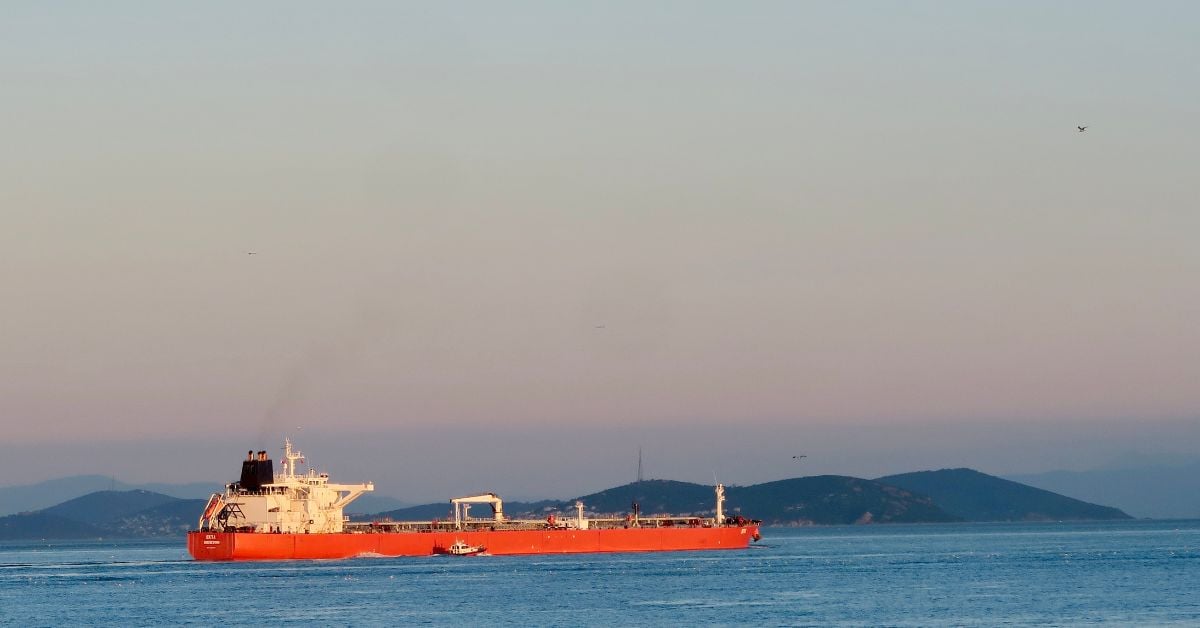
Tensions Rise: Tanker Seized Near Strait of Hormuz Impacts Shipping.
The towing of a seized products tanker to the northern side of the Strait of Hormuz signals a deliberate escalation in a volatile maritime corridor. This isn't a random act; it's a calculated move with direct consequences for shipping traffic. The incident underscores how fragile the region's sea lanes remain. For context on the broader logistical pressures at play, our related coverage on Gulf of Oman STS transfers maxing out highlights the strain on regional oil movements.

Escalation in Hormuz: Iran Attacks Tanker Amid U.S. Strikes
The 11th consecutive evening of U.S. strikes against Iran concluded at 8:15 p.m. ET on July 21, as CENTCOM confirmed its ongoing campaign. The escalation in Hormuz now includes a direct tanker attack, sharpening a volatile maritime corridor. This is not abstract geopolitics; it is measured, repeated force meeting retaliation. For context on regional pressure points, our coverage of Gulf of Oman STS transfers maxing out shows how commercial chokepoints strain under such tension.

Strait of Hormuz Traffic Declines Amid Increased Security Measures.
Commercial traffic through the Strait of Hormuz has dropped sharply following recent missile, drone, and shipping attacks, a measurable shift in one of the world's most vital maritime corridors. The decline underscores how immediate security threats now override the steady flow of energy that typically defines this waterway. This is not an abstract disruption; it is a calibrated response to real-time risk, and one that demands integrated monitoring.