international maritime law
3 stories filed under international maritime law on World Data Ocean. The newest of them: “Maritime Security: Inspections Target Vessels Suspected of Shadow Fleet Activity”, “Strait of Hormuz: Maritime Security and International Law Asserted.”, and “Mediterranean Vessel Interception Raises Geopolitical Tensions and Maritime Concerns”. Maritime authorities from France, Sweden, Belgium, and Britain have boarded or seized vessels suspected of shadow fleet activity, tightening the net on opaque operations in European waters. The U.S. A Global Hub for Ocean Intelligence 4 World Data Ocean is a centralized digital platform where researchers, scientists, and ocean enthusiasts converge to… The list below is every international maritime law story on World Data Ocean, newest first.
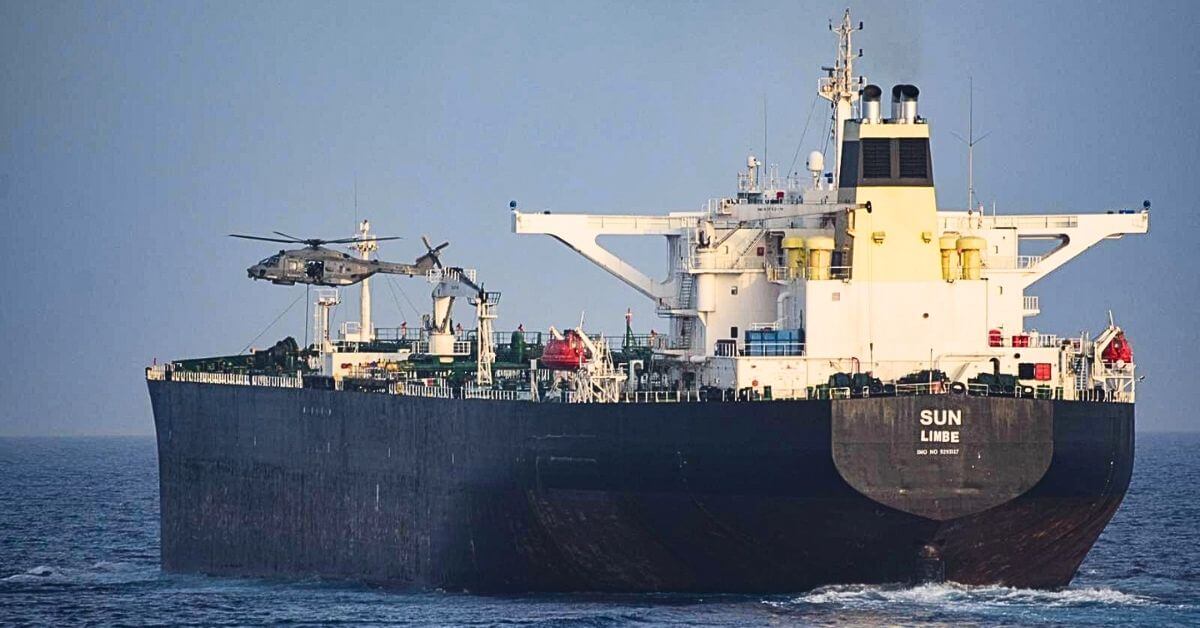
Maritime Security: Inspections Target Vessels Suspected of Shadow Fleet Activity
Maritime authorities from France, Sweden, Belgium, and Britain have boarded or seized vessels suspected of shadow fleet activity, tightening the net on opaque operations in European waters. These inspections signal a calibrated, intelligence-led response to a threat that hides in plain sight. Enforcement like this is how rules endure. For a closer look at how maritime incidents unfold under pressure, see our coverage of the cargo ship fire near Mykonos. Vigilance, measured and consistent, remains the anchor of ocean security.

Strait of Hormuz: Maritime Security and International Law Asserted.
The U.S. military has rejected claims that the Strait of Hormuz falls under unilateral control, asserting instead that it remains an international waterway bound by maritime law. That position is correct, and it matters globally. The strait is not a bargaining chip; it is a corridor where legal norms must hold. For readers tracking the stakes, our related piece on phased negotiations offers useful context. The rule of law, not escalation, should define this passage.

Mediterranean Vessel Interception Raises Geopolitical Tensions and Maritime Concerns
The Mediterranean has become a flashpoint where a single vessel interception escalates into a geopolitical statement, and Russia's dismissal of such actions as "piracy" sharpens the divide. President Vladimir Putin's characterization frames maritime law enforcement as provocation, yet the practical risks to shipping lanes remain underexplored. This incident is not isolated; it echoes broader patterns of naval tension, much like the recent strikes on port infrastructure in confirmed military action.