Insurance
Insurance at World Data Ocean is a file of 5 stories. The newest of them: “Maritime Trade Faces Fragmentation Amid Sanctions and Evolving Regulations”, “Nuclear-Powered Shipping: U.S. Advances Maritime Technology and Global Trade.”, and “Iran Implements Transit Fees for Ships Through Strait of Hormuz”. Maritime trade now confronts fragmentation as sanctions and evolving regulations reshape global shipping routes. The agreement targets the practical hurdles that must be cleared before nuclear-powered merchant ships can operate commercially, a step toward measurable progress in maritime technology. A Global Hub for Ocean Intelligence 4 World Data Ocean is a centralized digital platform where researchers, scientists, and ocean enthusiasts converge to… The list below is every Insurance story on World Data Ocean, newest first.
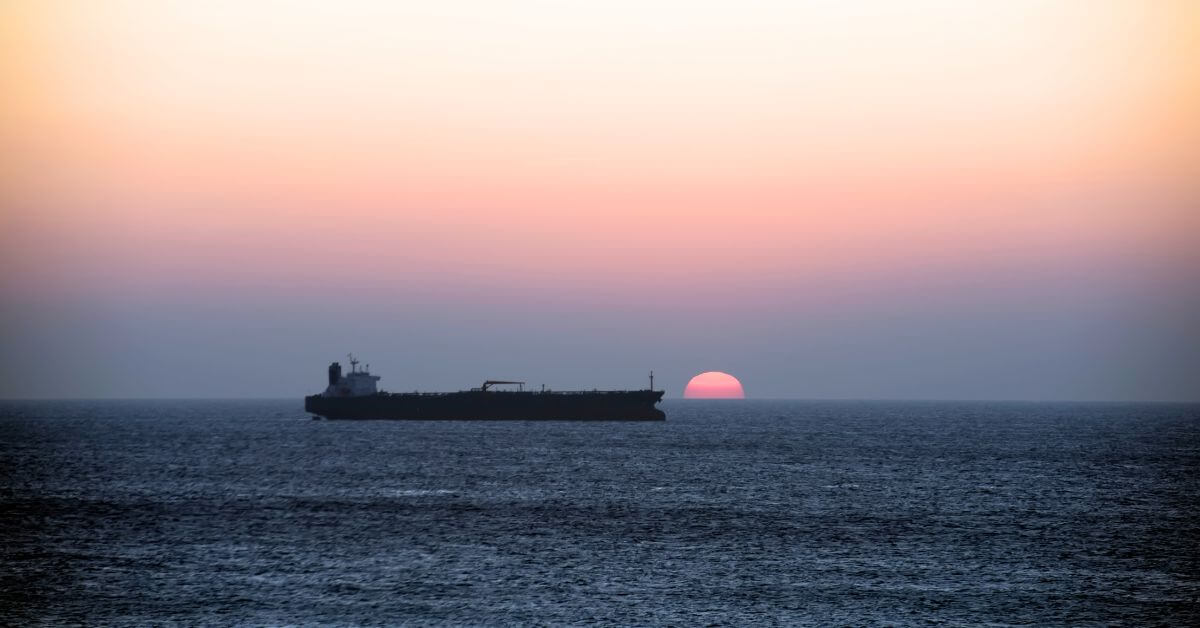
Maritime Trade Faces Fragmentation Amid Sanctions and Evolving Regulations
Maritime trade now confronts fragmentation as sanctions and evolving regulations reshape global shipping routes. Over 80% of the world's goods move by sea, so these shifts carry measurable consequences for supply chains and economies. This is not a moment for alarm, but for calibrated observation. Our recent coverage of the Royal New Zealand Navy's sanctions-monitoring deployment illustrates how nations are adapting. Understanding these dynamics is essential, integrated ocean intelligence helps us track the real-time impact on trade flows and climate indicators alike.

Nuclear-Powered Shipping: U.S. Advances Maritime Technology and Global Trade.
The agreement targets the practical hurdles that must be cleared before nuclear-powered merchant ships can operate commercially, a step toward measurable progress in maritime technology. This is not abstract ambition; it is about calibrating safety, regulatory, and operational standards that could reshape global trade routes. The timing aligns with rising pressure on shipping infrastructure, as seen in the Gulf of Oman STS Transfers Max Out Amid Rising Saudi Oil Exports. Validated solutions here would integrate nuclear capability with real-world logistics, advancing ocean intelligence.

Iran Implements Transit Fees for Ships Through Strait of Hormuz
Iran's decision to impose transit fees on ships passing through the Strait of Hormuz introduces a calibrated layer of accountability to one of the world's most vital maritime corridors. Covering navigation, environmental support, fuel supply under specific conditions, and insurance, the measure frames safety as a service with measurable value. It is a pragmatic step, though one that warrants close observation. For broader context on regional shipping pressures, our related coverage of Gulf of Oman STS transfers offers useful perspective.

Shipping Disruptions Impact Russian Coal Exports Amidst Black Sea Conflict
A shortage of available vessels is now constraining Russian coal exports through Black Sea ports, a direct consequence of Ukrainian drone attacks disrupting shipping. The pressure on this route is not incidental; it is a measurable shift in the region's commercial viability. While Moscow adapts its broader maritime strategy, as seen in our coverage of the Northern Sea Route icebreaker levy, this immediate bottleneck underscores how conflict reshapes trade logistics.

Shipping Route Shift: Supertanker Alters Course Amid Red Sea Tensions
A supertanker bound for Yanbu turned back before reaching the Bab el-Mandeb Strait, a quiet but telling correction in a crowded maritime corridor. The move reflects how swiftly risk reshapes routing decisions, even for cargoes already committed. We read this as a practical response to tension, not alarm. For broader context on regional pressure points, our coverage of Gulf of Oman STS Transfers Max Out Amid Rising Saudi Oil Exports offers a useful parallel. The ocean rewards adaptability; this diversion proves the point.