Indo-Pacific
Indo-Pacific at World Data Ocean is a file of 14 stories. The newest of them: “A mothership for underwater drones signals a new era in ocean intelligence”, “Atoll systems: a critical yet overlooked frontier in coral reef conservation”, and “China’s New Nuclear Carrier Signals Extended Naval Operations Capability”. A 5,000-ton mothership designed to deploy underwater drones is taking shape in Beijing, signaling a new era in ocean intelligence. Atolls cover 27,211 km² of mapped shallow reefscape across 309 Indo-Pacific systems, representing 41.5% of all reef area in the region. A Global Hub for Ocean Intelligence 4 World Data Ocean is a centralized digital platform where researchers, scientists, and ocean enthusiasts converge to… The list below is every Indo-Pacific story on World Data Ocean, newest first.
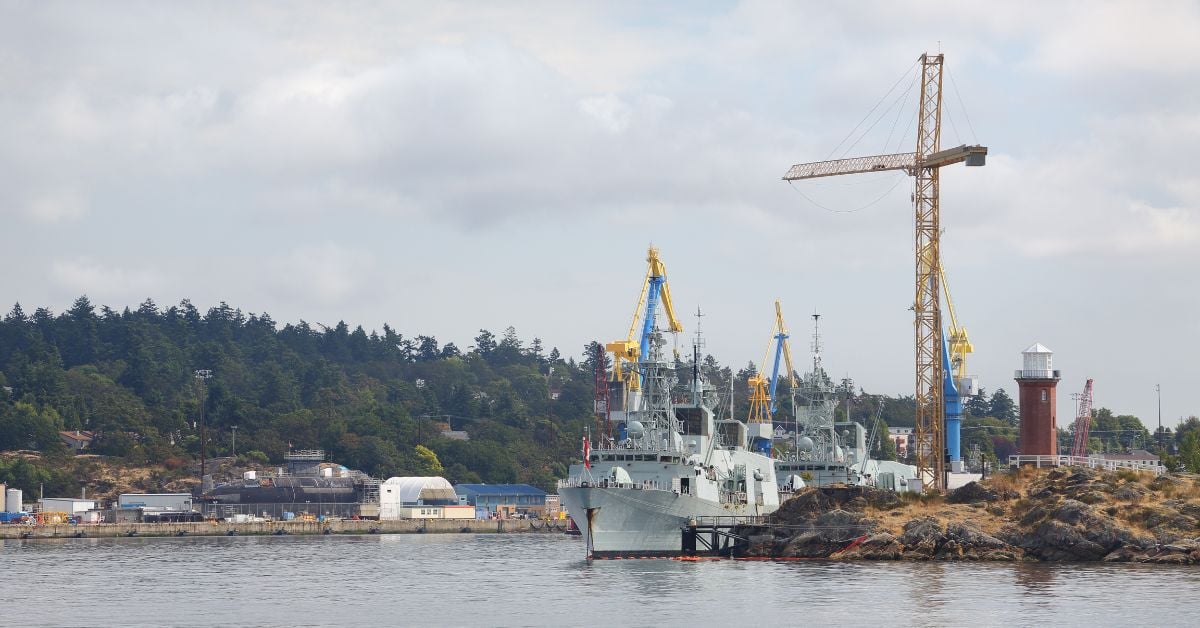
A mothership for underwater drones signals a new era in ocean intelligence
A 5,000-ton mothership designed to deploy underwater drones is taking shape in Beijing, signaling a new era in ocean intelligence. This vessel represents a calibrated leap in our capacity for real-time, integrated data collection from the sea. Understanding drives protection, and this platform promises to deliver the empirical, validated observations we urgently need. For deeper context on autonomous observation, see our coverage of the "4500-Meter Autonomous Robot Extends South China Sea Observation Reach."

Atoll systems: a critical yet overlooked frontier in coral reef conservation
Atolls cover 27,211 km² of mapped shallow reefscape across 309 Indo-Pacific systems, representing 41.5% of all reef area in the region. That makes them one of the world's major coral reef networks by area, yet they remain largely overlooked in conservation planning. These dynamic reef-ocean-land systems may also harbor corals with elevated thermal tolerance, positioning them as critical local-to-regional coral sources as warming accelerates. Understanding drives protection. For deeper context on accelerating ocean change, see "Ocean's early warnings grow urgent as climate signals accelerate."
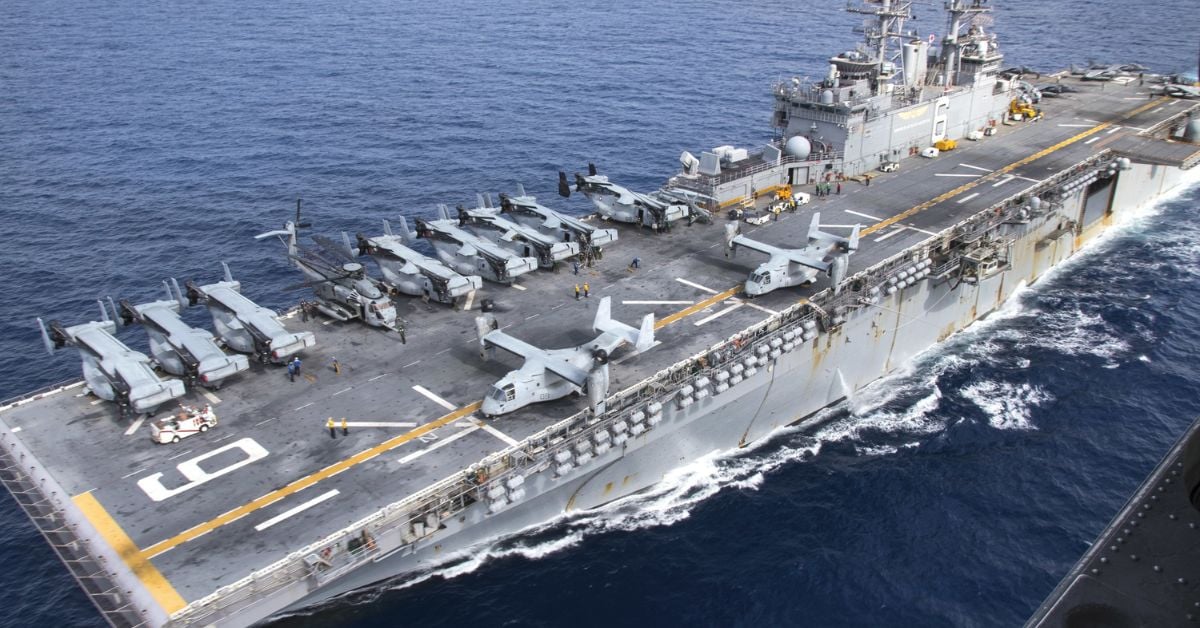
China’s New Nuclear Carrier Signals Extended Naval Operations Capability
China's newest aircraft carrier, reportedly nuclear-powered, is built to outlast and outgun U.S. carriers in deployment length and ammunition capacity. That is a deliberate statement of extended naval reach, not a boast. The strategic logic is clear: endurance wins contests. For readers tracking how maritime power shifts ripple through global trade, our related piece on Gulf of Oman STS transfers maxing out shows the same pressure points in action. Understanding these moves is how we measure what comes next.
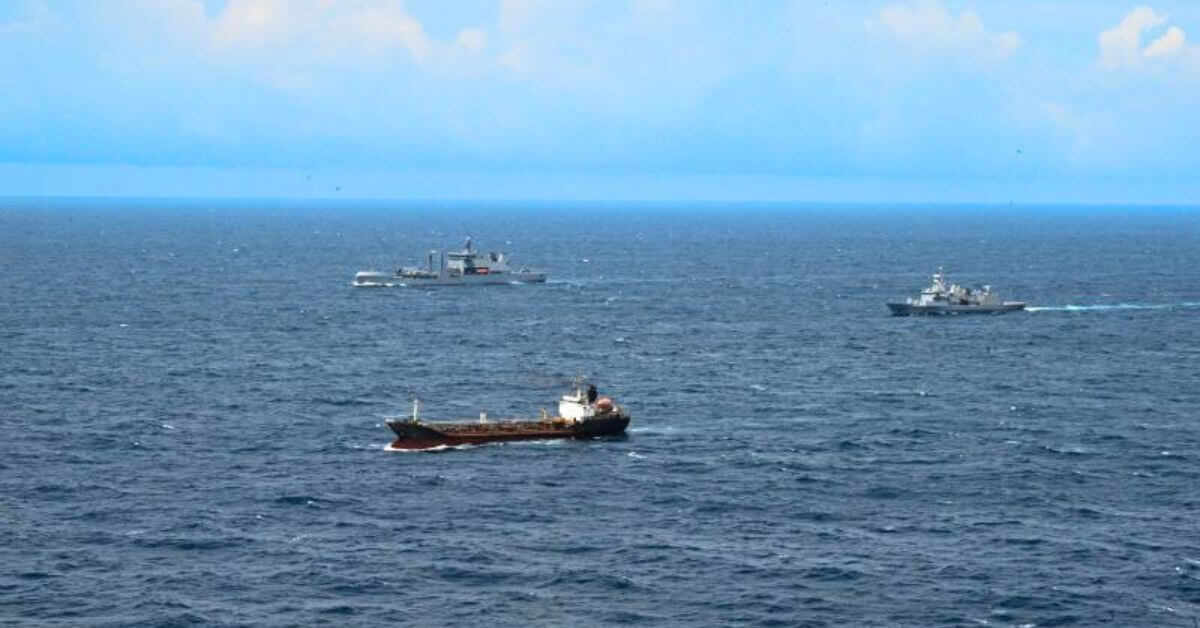
Kiwi Frigate Monitors Sanctions, Enhancing Global Maritime Security Intelligence
For three months, a Royal New Zealand Navy task group has monitored possible violations of UN sanctions against North Korea, turning a routine patrol into a concrete measure of maritime accountability. This is the kind of quiet, persistent work that gives "ocean intelligence" its weight. The deployment strengthens global security, yet it rarely makes headlines. It should. For deeper context on how regional navies are expanding their reach, see our related piece, "New Zealand Vessels Traverse Taiwan Strait En Route to Philippines Exercise.
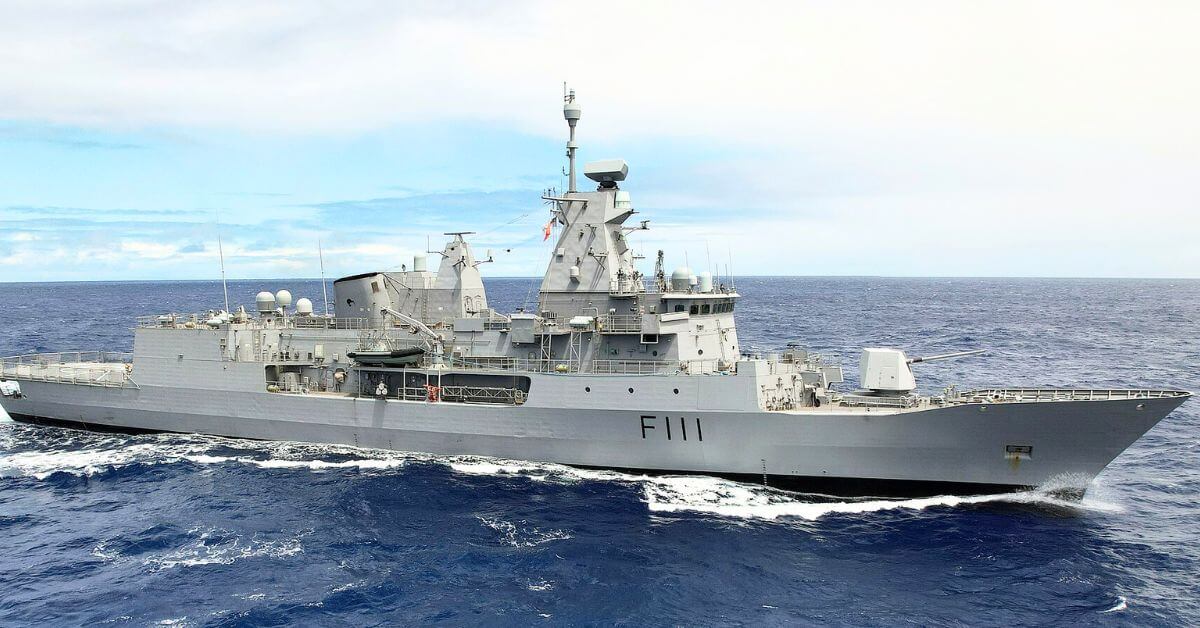
New Zealand Vessels Traverse Taiwan Strait En Route to Philippines Exercise
Two New Zealand naval vessels transited the Taiwan Strait on Sept. 18, bound for a joint exercise with the Philippines. The move signals a quiet but deliberate expansion of maritime collaboration across the Indo-Pacific, one that prioritizes operational presence over provocation. For those tracking the region's shifting security architecture, this passage is a measured data point, not a headline. It complements our coverage of integrated subsea infrastructure shifting toward the Indian Ocean, where strategic connections are being redrawn.
Gulf of Thailand Physalia Clarified: Taxonomy and Distribution Insights
For decades, the species identity of *Physalia* on Thai beaches has remained unresolved, leaving public-health responses without a firm scientific baseline. This study changes that. By integrating morphological traits with multilocus and COI haplotype analyses, the authors provide specimen-based confirmation of *P. utriculus* in the Gulf of Thailand. The finding that local haplotypes dominate, despite shared widespread ones, underscores the need for regional genetic monitoring.

Identifying Tropical Sea Stars: A Guide for Aquariums and Beyond
Identifying tropical sea stars by sight alone is a familiar frustration, and the gap between "easy" Chocolate Chips and a generic "Cushion" label is wider than most guides admit. You are right to question the Caribbean assumption; many Indo-Pacific species masquerade under that common name. Validated identification requires looking past color to plate arrangement and pore patterns. For a broader maritime context, our piece on China's new nuclear carrier shows how ocean intelligence extends beyond biology into strategic operations.
Drone-Launched Weapons Enhance Carrier-Based Anti-Submarine Capabilities
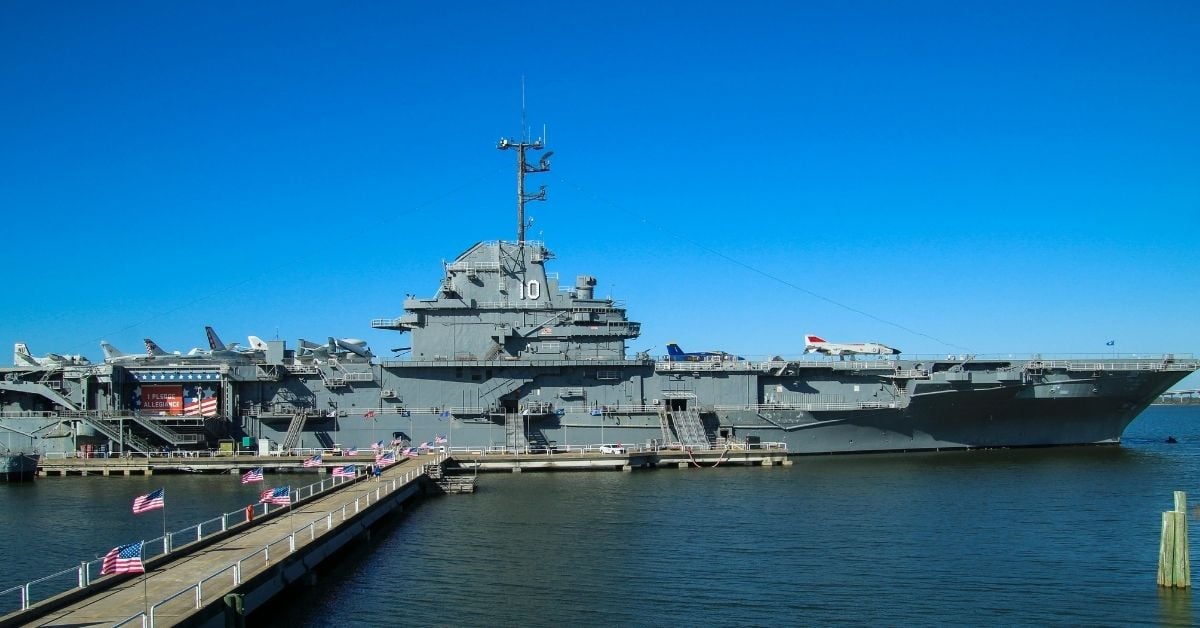
The U.S. Naval Air Systems Command is developing a weapon designed to be fired from carrier-launched drones against enemy submarines, extending strike reach beyond the ship's horizon. This is a calibrated step toward integrated ocean intelligence, pairing unmanned platforms with anti-submarine warfare in ways that demand precision. The capability reflects a broader naval evolution, much like India's expanded fleet projections. The ocean is vast, but layered, measured responses like these keep it navigable.

Strengthening Maritime Cooperation: India and New Zealand Deepen Defence Ties
India and New Zealand concluded their second Defence Strategic Dialogue in Wellington, signaling a deliberate expansion of bilateral security cooperation. The talks underscore a shared commitment to maritime stability across the Indo-Pacific, where rules-based order remains essential. These are not abstract discussions; they produce calibrated, actionable outcomes. Strengthened ties here complement broader efforts to secure vital sea lanes, much like the multinational push detailed in "Eighty Nations Urge Reopening of Vital Strait of Hormuz Shipping Lane.

Integrated Defense: Japan Deploys Fighters to India for Joint Exercises
Japan's deployment of fighter aircraft to India for joint exercises reflects a deliberate step toward shared regional stability. The agreement, finalized during bilateral talks in New Delhi between Defence Ministers Rajnath Singh and Shinjiro Koizumi, reinforces a practical alignment of defense priorities. Integrated operations of this kind build interoperability and trust, essential for addressing maritime security challenges. The timing is notable, particularly as related coverage on China's new nuclear carrier highlights shifting naval dynamics. Measured, recurring engagement between partners matters here.

Engineering Casualty Impacts US Navy Destroyer Operations in South China Sea
An engineering casualty aboard the USS Benfold has sidelined the destroyer's generators during routine South China Sea operations. The incident underscores how mechanical reliability remains the quiet backbone of naval power, even as the fleet pushes toward autonomous systems and expanded reach. For a region where readiness is measured in real-time, a single malfunction carries strategic weight. The Navy's broader push, including its new center for autonomous integration, signals a shift worth watching. Operational resilience, after all, starts below deck.

India Navy Expands Maritime Domain Awareness with MQ-9B Sea Guardian Lease
The Indian Navy's lease of two MQ-9B Sea Guardian drones under a INR 1,943 crore agreement with General Atomics marks a calibrated step toward stronger maritime domain awareness. This is not about hardware alone; it is about sustained, high-endurance surveillance across the Indian Ocean's contested expanse. The deal reflects a practical integration of remote capabilities into existing naval operations. For readers tracking regional connectivity shifts, our related piece on integrated subsea infrastructure offers useful context on how data and defense increasingly overlap here.

Nuclear Propulsion Powers Next-Generation U.S. Battleship Program
Nuclear propulsion is set to power the U.S. Navy's next-generation Trump-class battleship, a decision that pairs long-range endurance with strategic staying power. This is not just a propulsion choice; it is a statement about sustained presence. For readers tracking parallel developments, China's new nuclear carrier signals similar ambitions, but the U.S. program grounds its advantage in validated, peer-reviewed operational planning. We see this as a calibrated step forward: nuclear energy offers real-time readiness without the logistical drag of refueling.

Expanding Osborne: Australia Bolsters AUKUS Submarine Infrastructure Investment
Australia is injecting another $4.6 billion into the Osborne shipyard, a decisive step for the AUKUS submarine program. This is not just about steel and drydocks; it is about building a sovereign capability that will anchor regional security for decades. The scale of investment signals a long-term commitment, one that demands rigorous oversight and transparent reporting to the public. For context on Australia's maritime environment, our recent coverage of the Gladstone grounding offers a useful counterpoint to this industrial ambition.