image analysis
image analysis at World Data Ocean is a file of 4 stories. The newest of them: “Reading the Rings: A Flounder Otolith Identification Challenge”, “Revealing Scientific Insights Hidden Within Historical Artworks”, and “Hawaii Nudibranch Identification: Community Collaboration for Ocean Intelligence”. Identifying annuli on a flounder otolith is a calibrated skill, and frustration with an ambiguous image is a familiar challenge in fisheries science. A 17th-century seascape hanging in a Dutch museum holds more than artistic mastery, it contains a hidden record of ocean conditions. A Global Hub for Ocean Intelligence 4 World Data Ocean is a centralized digital platform where researchers, scientists, and ocean enthusiasts converge to… The list below is every image analysis story on World Data Ocean, newest first.

Reading the Rings: A Flounder Otolith Identification Challenge
Identifying annuli on a flounder otolith is a calibrated skill, and frustration with an ambiguous image is a familiar challenge in fisheries science. The opaque zones and translucent bands can blur, making a confident count elusive. You are not alone in this. Understanding drives protection, and peer-reviewed methods exist to validate these readings. For those navigating similar career hurdles, our guide "From Mangroves to the Thames" offers a broader perspective on building marine biology expertise.
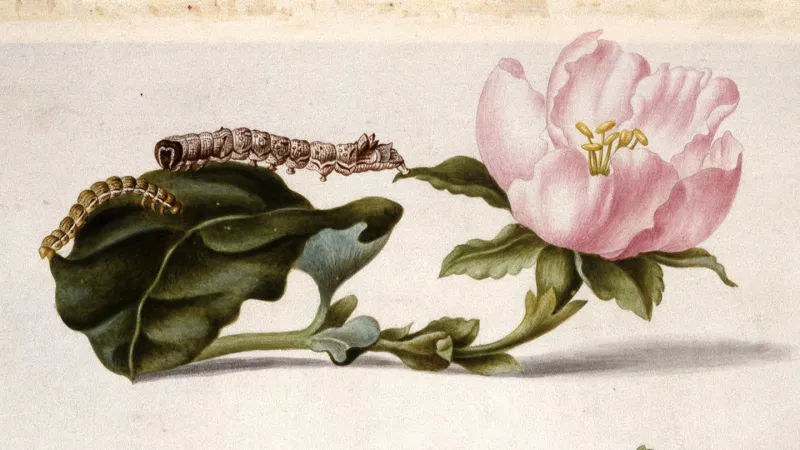
Revealing Scientific Insights Hidden Within Historical Artworks
A 17th-century seascape hanging in a Dutch museum holds more than artistic mastery, it contains a hidden record of ocean conditions. Scientists and art historians are now collaborating to extract empirical data from historic paintings, treating each canvas as a calibrated observation of past climate indicators. This innovative integration of art and ocean intelligence transforms cultural artifacts into measurable scientific tools. Understanding drives protection. For deeper context on marine research pathways, see our related coverage on navigating a marine studies degree.

Hawaii Nudibranch Identification: Community Collaboration for Ocean Intelligence
A single photograph from a friend in Hawaii, and a few careful questions about its appearance, narrowed the search to a nudibranch. That is how ocean intelligence often begins: not with a lab, but with curiosity and a willingness to ask. Community-led identifications like this one build a shared foundation for understanding marine biodiversity. It is a small, precise step toward the larger goal of documenting what lives beneath the surface.

Leopard Shark Patterns: Variation or Life Stage Indicators?
Two leopard sharks glide through the same coastal waters, yet their skin tells two different stories. One displays bold, dark bands; the other shows a pattern of faint, scattered spots. For researchers, the question is whether these differences are simple variation or reliable indicators of age. This distinction matters for field identification and population studies. The variation we observe is real, but it does not obscure a clearer biological signal.