ice melt
ice melt at World Data Ocean is a file of 3 stories. The newest of them: “Measured from surface to abyss: climate change alters every ocean layer”, “Antarctica's Skull-Shaped Ice Signals a Measurable Climate Shift”, and “Modeling the Salinity Threshold for Atlantic Overturning Circulation”. From surface to abyss, empirical data confirms that climate change is reshaping every layer of our ocean. A skull-shaped ice formation in Antarctica, captured by NASA satellites, is more than a striking image. A Global Hub for Ocean Intelligence 4 World Data Ocean is a centralized digital platform where researchers, scientists, and ocean enthusiasts converge to… The list below is every ice melt story on World Data Ocean, newest first.

Measured from surface to abyss: climate change alters every ocean layer
From surface to abyss, empirical data confirms that climate change is reshaping every layer of our ocean. These are not isolated shifts, they are measurable, integrated signals of a system under pressure. Understanding drives protection. A confirmed Portuguese Man O' War sighting off Oceanside signals shifting Pacific conditions, while a stranded specimen on a Brittany beach calls for rigorous analysis. The deep ocean holds more mystery than Mars, yet its transformation demands our urgent, collaborative attention.
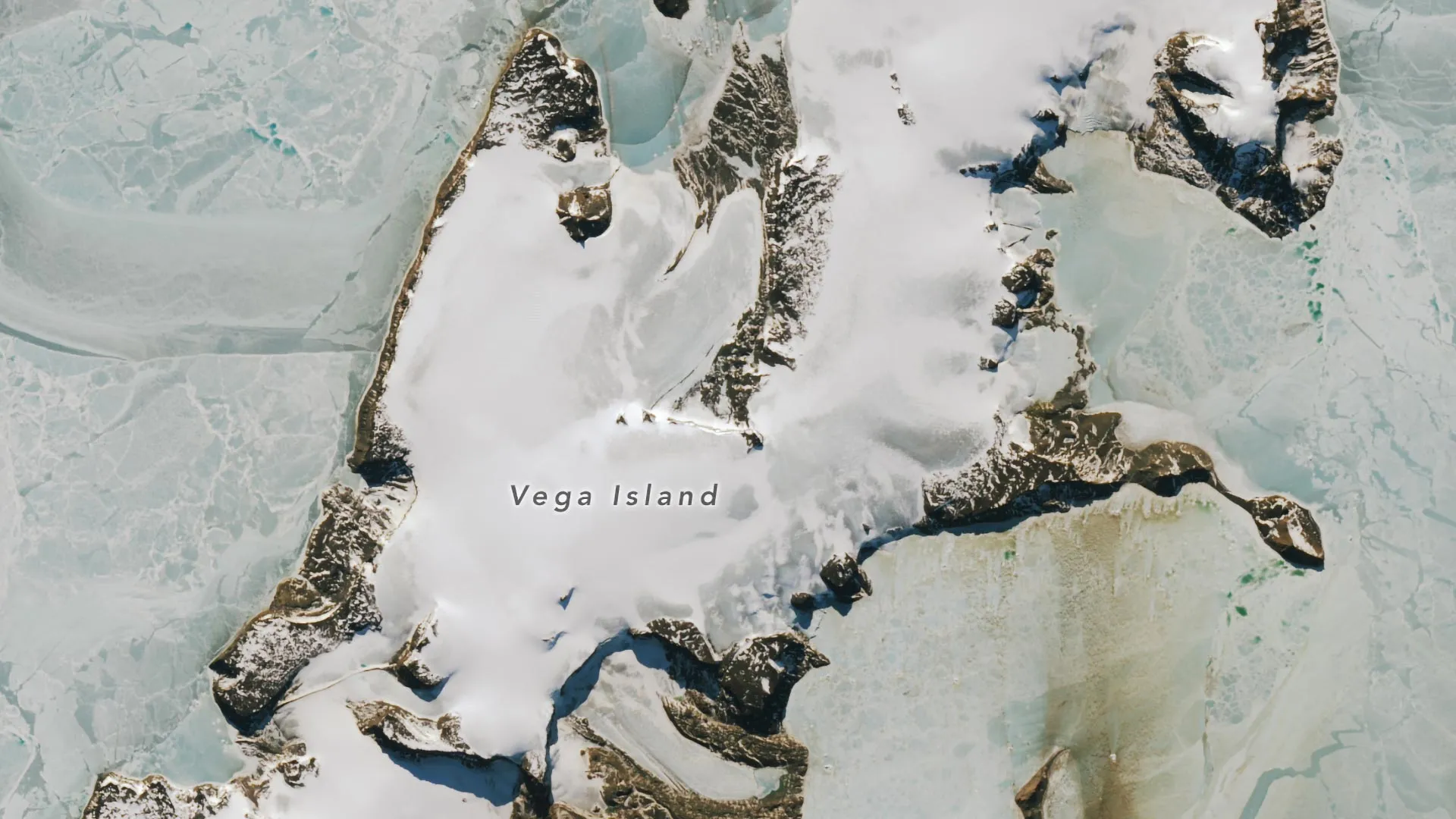
Antarctica's Skull-Shaped Ice Signals a Measurable Climate Shift
A skull-shaped ice formation in Antarctica, captured by NASA satellites, is more than a striking image. It signals a measurable climate shift. Unusually warm winter temperatures have exposed dark ice, accelerating melt and altering the ghostly features. Understanding drives protection. For deeper context on climate records, see our coverage of the Tibetan ice core extending the climate record by 128,000 years.
Modeling the Salinity Threshold for Atlantic Overturning Circulation
The question arrives with the weight of a thought experiment: what if we moved desalination's salty byproduct to Greenland's fjords? The scale is stark. Greenland's ice sheet already releases roughly 2.5 million litres of fresh water every second, while 22,000 plants generate up to 109 million cubic metres of brine daily. Transporting that brine is a logistical feat, yet the ocean's own mixing dwarfs our efforts. The AMOC's collapse hinges on salinity thresholds we are only beginning to map.