Ice-Class
World Data Ocean keeps Ice-Class in one place: 3 stories so far. The section currently leads with “Arctic LNG 2 Capacity Expands with New Ice-Class Carrier Fleet.”, “New Ice-Class Vessel Joins Global Shipping Fleet, Built to DNV Standards”, and “EU's Yamal LNG Imports Reached $6.8B Before Import Ban”. The Arctic's harshest routes just became more navigable. A new 7,000 DWT ice-class vessel has entered the global fleet, engineered by Groot Ship Design and built to DNV classification standards. A Global Hub for Ocean Intelligence 4 World Data Ocean is a centralized digital platform where researchers, scientists, and ocean enthusiasts converge to… The list below is every Ice-Class story on World Data Ocean, newest first.
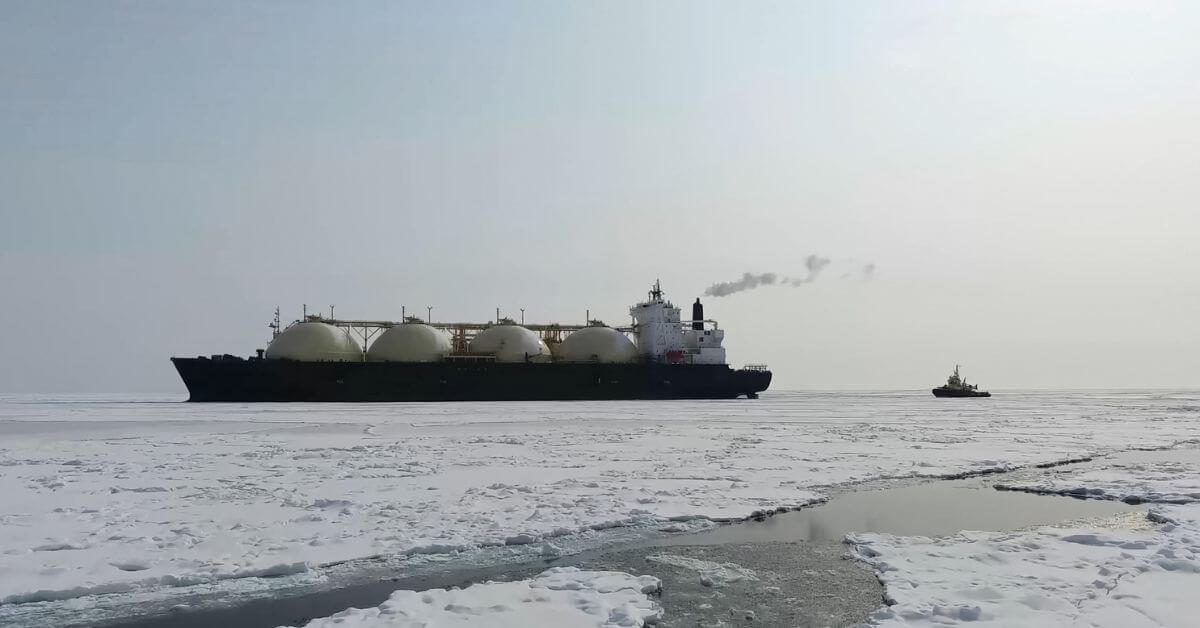
Arctic LNG 2 Capacity Expands with New Ice-Class Carrier Fleet.
The Arctic's harshest routes just became more navigable. A Russian-built, advanced ice-class LNG carrier has joined the fleet serving Arctic LNG 2, enabling year-round operations in waters that once dictated seasonal limits. This is practical ocean intelligence: the capacity to move gas reliably through extreme conditions strengthens the entire maritime energy chain. For readers tracking parallel shifts in global shipping, our coverage of Paradip Port's new mega port status offers another example of infrastructure evolving to meet demand.

New Ice-Class Vessel Joins Global Shipping Fleet, Built to DNV Standards
A new 7,000 DWT ice-class vessel has entered the global fleet, engineered by Groot Ship Design and built to DNV classification standards. This is precisely the kind of measured, purpose-built advancement that keeps maritime trade both efficient and responsible. Ice-class capability is not a luxury; it is a calculated response to expanding polar routes and shifting climate realities. For deeper context on how ship design capabilities are evolving internationally, our coverage of Cochin Shipyard's recent design expansion with Conoship offers a useful parallel.

EU's Yamal LNG Imports Reached $6.8B Before Import Ban
Between January and June, Europe's Yamal LNG imports hit $6.8 billion, with 140 cargoes of 10.25 million tonnes departing Russia's western Arctic. That scale underscores the continent's pre-ban dependence. The numbers are measurable, and they arrived before any formal restriction took hold. This is not alarmism; it is a clear signal of how tightly energy flows can bind policy. For deeper context on how Russia is adapting its Arctic export revenue, see our piece on Russia's icebreaker fleet calibration.