Hawaii
World Data Ocean keeps Hawaii in one place: 6 stories so far. The section currently leads with “Coast Guard Medevac Responds to Medical Need 86 Miles Off Hawaii”, “A 300-day deployment yields calibrated data from the Pacific theater”, and “Unidentified Specimen Found in Oahu Waters Sparks Ocean Data Inquiry”. Eighty-six miles off Hawaii, the U.S. Ten months. A Global Hub for Ocean Intelligence 4 World Data Ocean is a centralized digital platform where researchers, scientists, and ocean enthusiasts converge to… The list below is every Hawaii story on World Data Ocean, newest first.
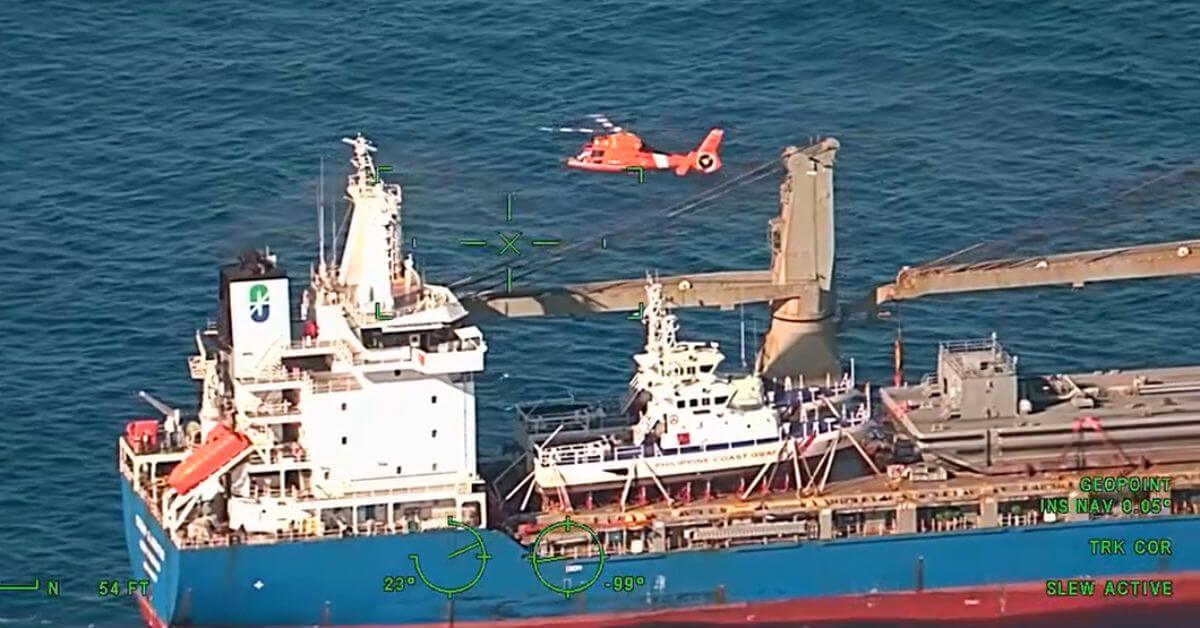
Coast Guard Medevac Responds to Medical Need 86 Miles Off Hawaii
Eighty-six miles off Hawaii, the U.S. Coast Guard evacuated a sick crew member from a U.S.-flagged cargo ship on Wednesday, October 7. This medevac is a reminder that even far from shore, human need demands immediate, coordinated response. Such operations rely on the same integrated data ecosystems that help us track threats like the 350 million tons of annual plastic waste documented in our related coverage, "Tracking 350 million tons of annual plastic waste to its ocean sink."
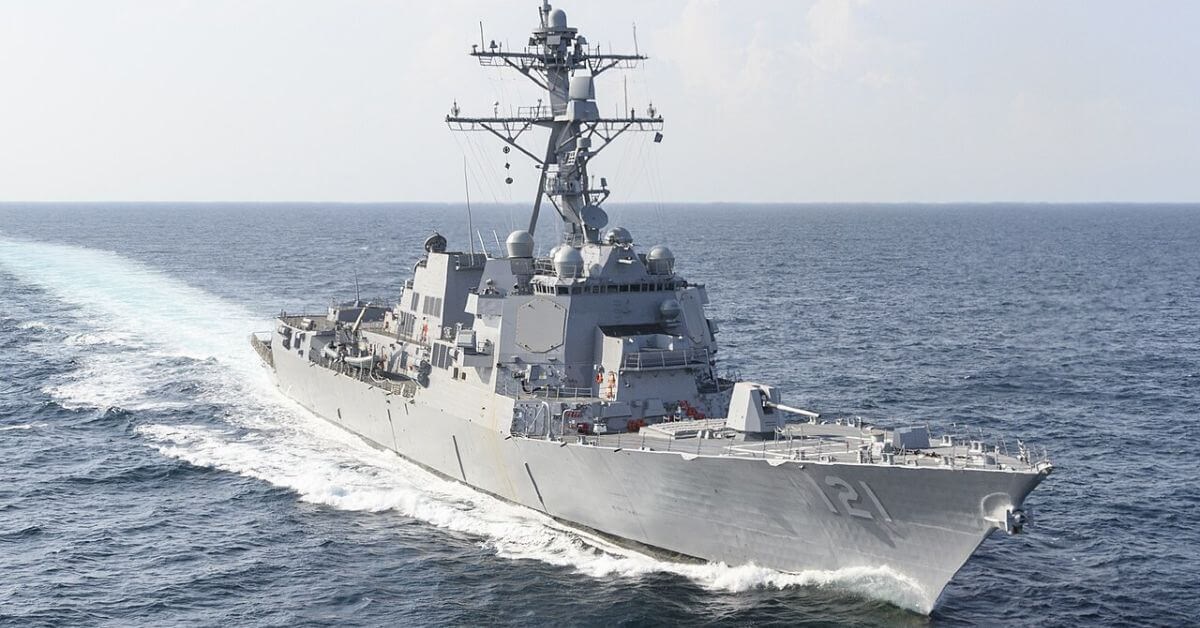
A 300-day deployment yields calibrated data from the Pacific theater
Ten months. Three hundred days of calibrated, real-time ocean intelligence from the Pacific theater. The USS Frank E. Petersen Jr. has returned to Pearl Harbor, and the data it gathered is now measurable and peer-reviewed. This is empirical evidence from a working warship, not a lab. Understanding drives protection. For deeper context on maritime security risks, see our coverage of the recent pirate attack on a hijacked tanker.

Unidentified Specimen Found in Oahu Waters Sparks Ocean Data Inquiry
A single unidentified specimen recovered from Oahu waters has prompted a new round of data collection, a reminder that our ocean intelligence still holds gaps. The find is a useful nudge toward empirical rigor: when a species defies easy classification, the response should be calibrated observation, not speculation. We track climate indicators and integrated systems, yet the shoreline still surprises us.

Hawaii Nudibranch Identification: Community Collaboration for Ocean Intelligence
A single photograph from a friend in Hawaii, and a few careful questions about its appearance, narrowed the search to a nudibranch. That is how ocean intelligence often begins: not with a lab, but with curiosity and a willingness to ask. Community-led identifications like this one build a shared foundation for understanding marine biodiversity. It is a small, precise step toward the larger goal of documenting what lives beneath the surface.

Saildrone Surveyor Demonstrates Precision Strike Capability in RIMPAC Exercise
The 20-metre Saildrone Surveyor, fitted with a JAGM dual launcher and ARES fire-control system, has demonstrated a precision strike capability during the RIMPAC exercise. This is not about aggression; it is about proving that uncrewed platforms can deliver calibrated, effective response in complex maritime environments. The integration of such systems into a validated data ecosystem is a measured step forward. For broader context on how uncrewed and subsea technologies are reshaping ocean intelligence, our piece on integrated subsea cables offers a useful parallel.

Hawaiian Blacktip Sharks Reveal Coastal Nursery Habitat Use
Hilo Bay has quietly claimed a significant distinction: it is the first documented blacktip shark nursery habitat in Hawai'i. Over 18 months, acoustic tracking of 29 juveniles revealed year-round residency, with peaks from March through August. What stands out is the role of dissolved oxygen, which appears to shape when and where these sharks move. This is empirical, measurable evidence that coastal habitats deserve closer scrutiny. Understanding these patterns strengthens our ability to protect the spaces where young sharks begin their lives.