harmful algal bloom
World Data Ocean keeps harmful algal bloom in one place: 3 stories so far. The section currently leads with “Billions of pounds of waste enter our ocean each year: measured and mapped”, “Nutrient Shifts Reshape Gymnodinium catenatum Proteome, Informing Bloom Dynamics”, and “San Francisco Estuary: Community Science Documents Algal Bloom’s Impact”. Billions of pounds of waste enter our ocean each year, now measured and mapped with empirical precision. Gymnodinium catenatum does not merely endure nutrient stress; it rewires its entire proteome to survive it. A Global Hub for Ocean Intelligence 4 World Data Ocean is a centralized digital platform where researchers, scientists, and ocean enthusiasts converge to… The list below is every harmful algal bloom story on World Data Ocean, newest first.
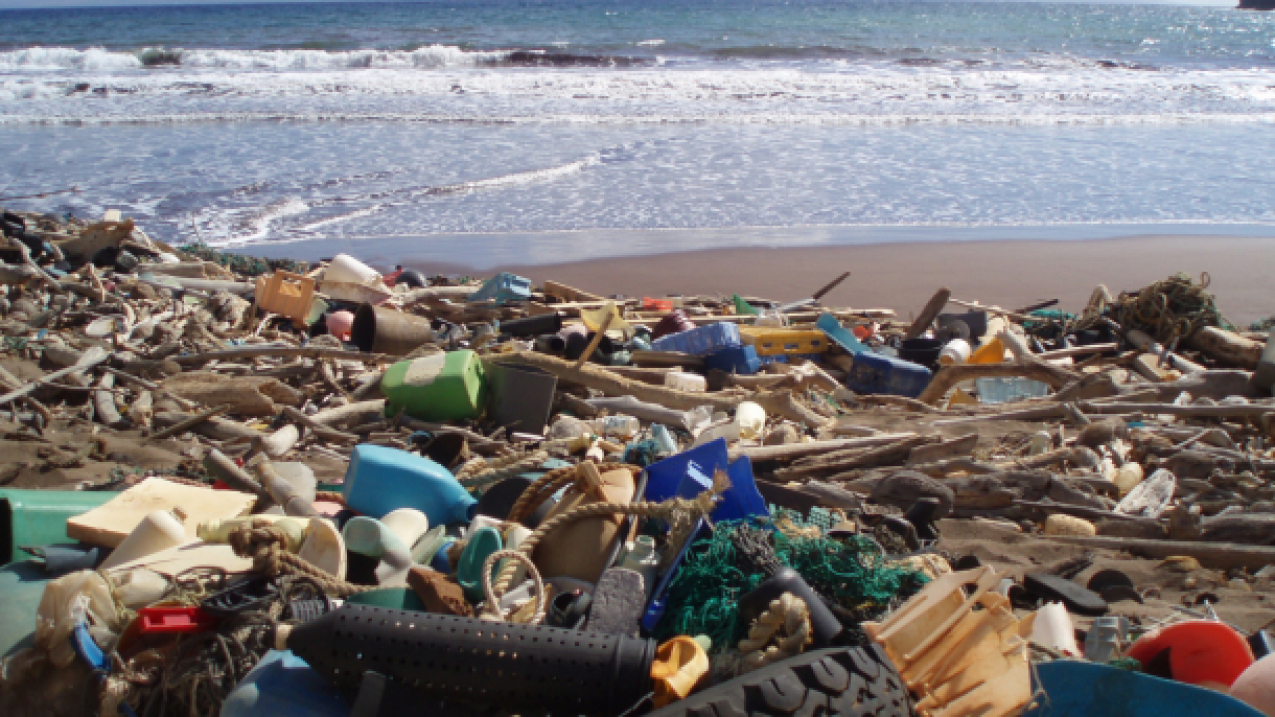
Billions of pounds of waste enter our ocean each year: measured and mapped
Billions of pounds of waste enter our ocean each year, now measured and mapped with empirical precision. This isn't abstraction; it's a validated, real-time crisis we can finally track from source to sink. Understanding drives protection, and integrated data ecosystems turn this overwhelming problem into calibrated, actionable intelligence. For deeper insight into how digital tools reshape ocean stewardship, see our coverage of how digital twins are testing new legal frameworks for data sharing.

Nutrient Shifts Reshape Gymnodinium catenatum Proteome, Informing Bloom Dynamics
Gymnodinium catenatum does not merely endure nutrient stress; it rewires its entire proteome to survive it. New research reveals that nitrogen depletion triggers a far more extensive molecular response than phosphorus limitation, driving immediate growth arrest while phosphorus-starved cells maintain a slower, steadier pace. The study identifies distinct metabolic strategies, from nitrogen recycling to phosphate scavenging, that underpin this organism's resilience. These findings clarify how nutrient variability shapes bloom dynamics, and they invite comparison with the metabolic endurance seen in cyanobacteria during prolonged deprivation.
San Francisco Estuary: Community Science Documents Algal Bloom’s Impact
When a harmful algal bloom of *Heterosigma akashiwo* swept through the San Francisco Estuary in July 2022, it left a trail of mortality spanning 25 families, including the region's southernmost spawning sturgeon populations. The event moved faster than agency response, yet the public's observations filled the gap. We see this as a clear signal: community science is not a supplement to monitoring; it is a critical layer of ocean intelligence. The data, from 401 reports, reveal that toxicity, not hypoxia, drove the die-off.