Great Lakes
World Data Ocean keeps Great Lakes in one place: 5 stories so far. The section currently leads with “Coastal Water Temperatures Reveal Seasonal Shifts and Emerging Trends.”, “New Vessel Honors Legacy, Bolsters Great Lakes Data Collection”, and “Geopolitical Shifts: Lake Ontario’s Name Sparks Transnational Data Debate.”. Coastal waters are where the ocean meets the land, and they are changing in measurable ways. The *Judy LaMarsh* joins the Great Lakes fleet as a working testament to progress, not just a tribute. A Global Hub for Ocean Intelligence 4 World Data Ocean is a centralized digital platform where researchers, scientists, and ocean enthusiasts converge to… The list below is every Great Lakes story on World Data Ocean, newest first.

Coastal Water Temperatures Reveal Seasonal Shifts and Emerging Trends.
Coastal waters are where the ocean meets the land, and they are changing in measurable ways. A new quality-controlled dataset from NOAA's CO-OPS stations, spanning 90 sites from the mid-1990s to 2023, reveals that seasonal cycles track solar heating closely, yet peak temperatures lag air by days or weeks. Most stations show warming trends averaging nearly 0.5°C per decade, with the Mid-Atlantic and Southeast leading. This local data matters, especially when comparing to broader datasets like those in our piece on integrated subsea cables.
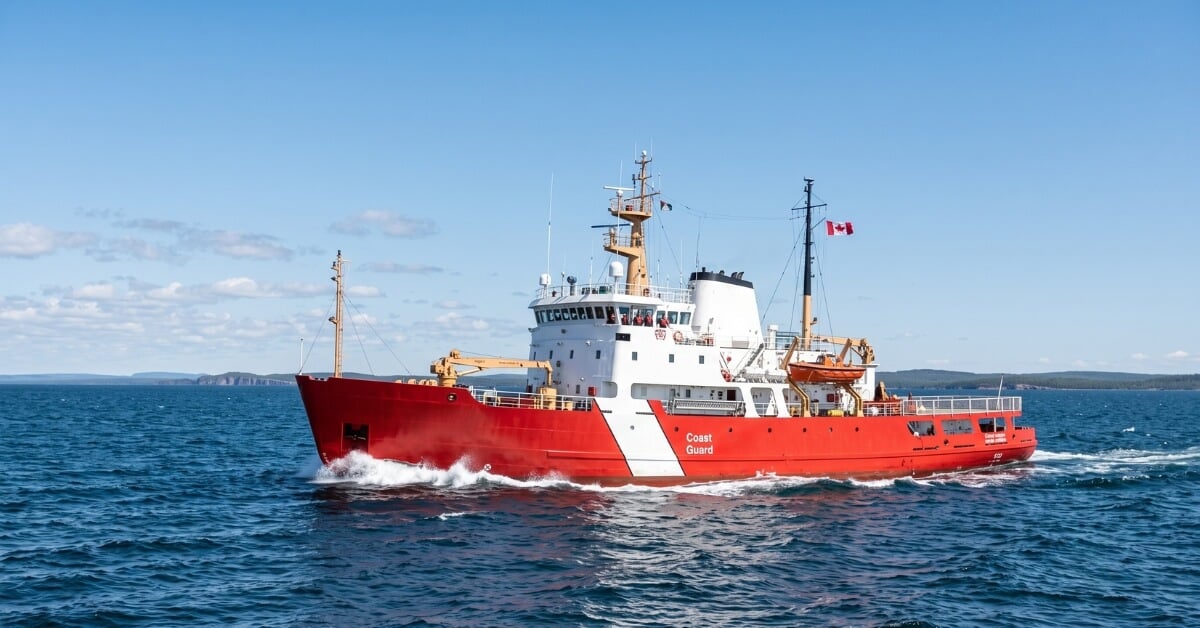
New Vessel Honors Legacy, Bolsters Great Lakes Data Collection
The *Judy LaMarsh* joins the Great Lakes fleet as a working testament to progress, not just a tribute. Named for one of Canada's first female federal Cabinet ministers, this vessel carries a legacy of breaking barriers into the practical realm of data collection. Understanding drives protection; here, that means stronger, more consistent monitoring of freshwater systems. It is a measured step, but a meaningful one.
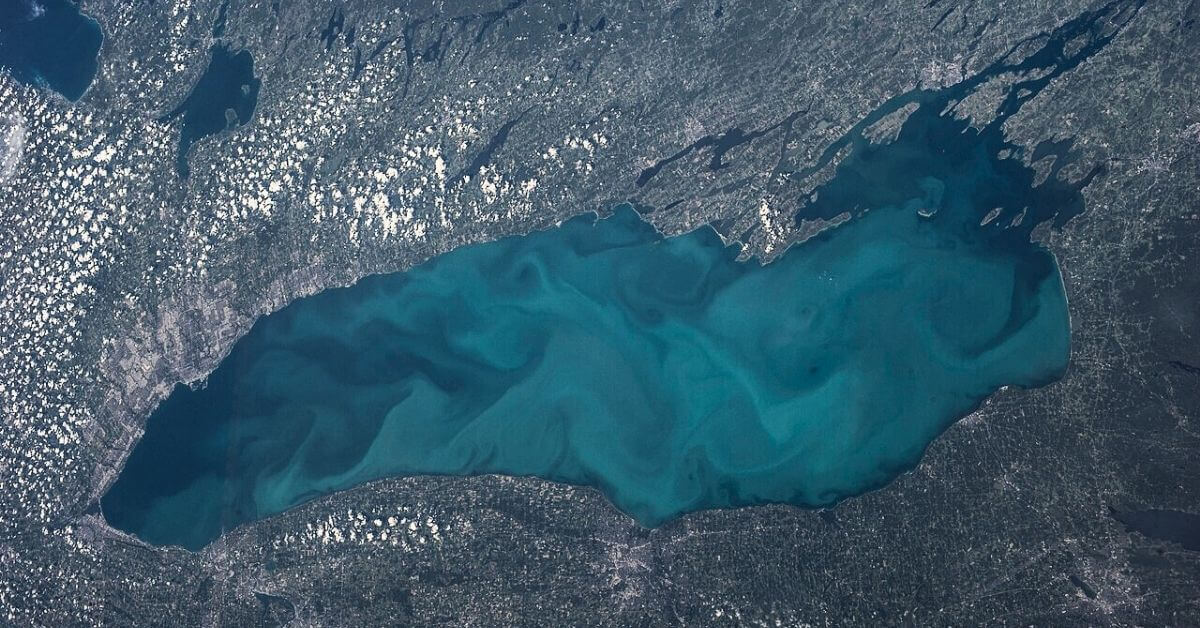
Geopolitical Shifts: Lake Ontario’s Name Sparks Transnational Data Debate.
A four-century-old name now anchors a transnational data dispute. The Canadian Prime Minister's stance, reaffirmed on X, is clear: Lake Ontario remains Lake Ontario, despite pressure to rename it. This is not merely cartographic nostalgia. It is a question of who controls the narrative of shared waters. Names carry empirical weight in ocean intelligence. We see similar tensions in the Strait of Hormuz, where geopolitical posturing shapes maritime data flows.

Historic Iron Ore Shipwreck, F.J. King, Gains National Recognition
The F.J. King, a historic iron ore shipwreck, has gained national recognition, and the designation is well earned. The vessel was carrying a cargo of iron ore from Escanaba, Michigan, to Chicago when the crew lost control of a leak that spelled the vessel's end. It is a precise, measurable piece of maritime history, a reminder that the lake's waters hold stories of industry and loss.

AI and Robotics Drive Modernization of US Shipyards
The integration of AI and robotics into U.S. shipyards marks a deliberate step toward modernization, with two companies agreeing to collaborate across the full lifecycle, from construction to operations. This is not speculative ambition; it is a calibrated response to operational demands. We see this as a practical alignment of emerging technology with industrial necessity.