global change
3 stories filed under global change on World Data Ocean. The newest of them: “Magma and microbial activity may rewrite a 2-billion-year-old carbon signal”, “Visual Ecology: A New Framework for Early Wetland Health Diagnosis”, and “Mapping Marine Connections: Understanding Biodiversity’s Role in Ocean Health”. A 2-billion-year-old chemical signature, long read as a planetary turning point, may instead record a quieter, more local story. Color alone will not save a wetland, but it may help us see one failing sooner. A Global Hub for Ocean Intelligence 4 World Data Ocean is a centralized digital platform where researchers, scientists, and ocean enthusiasts converge to… The list below is every global change story on World Data Ocean, newest first.
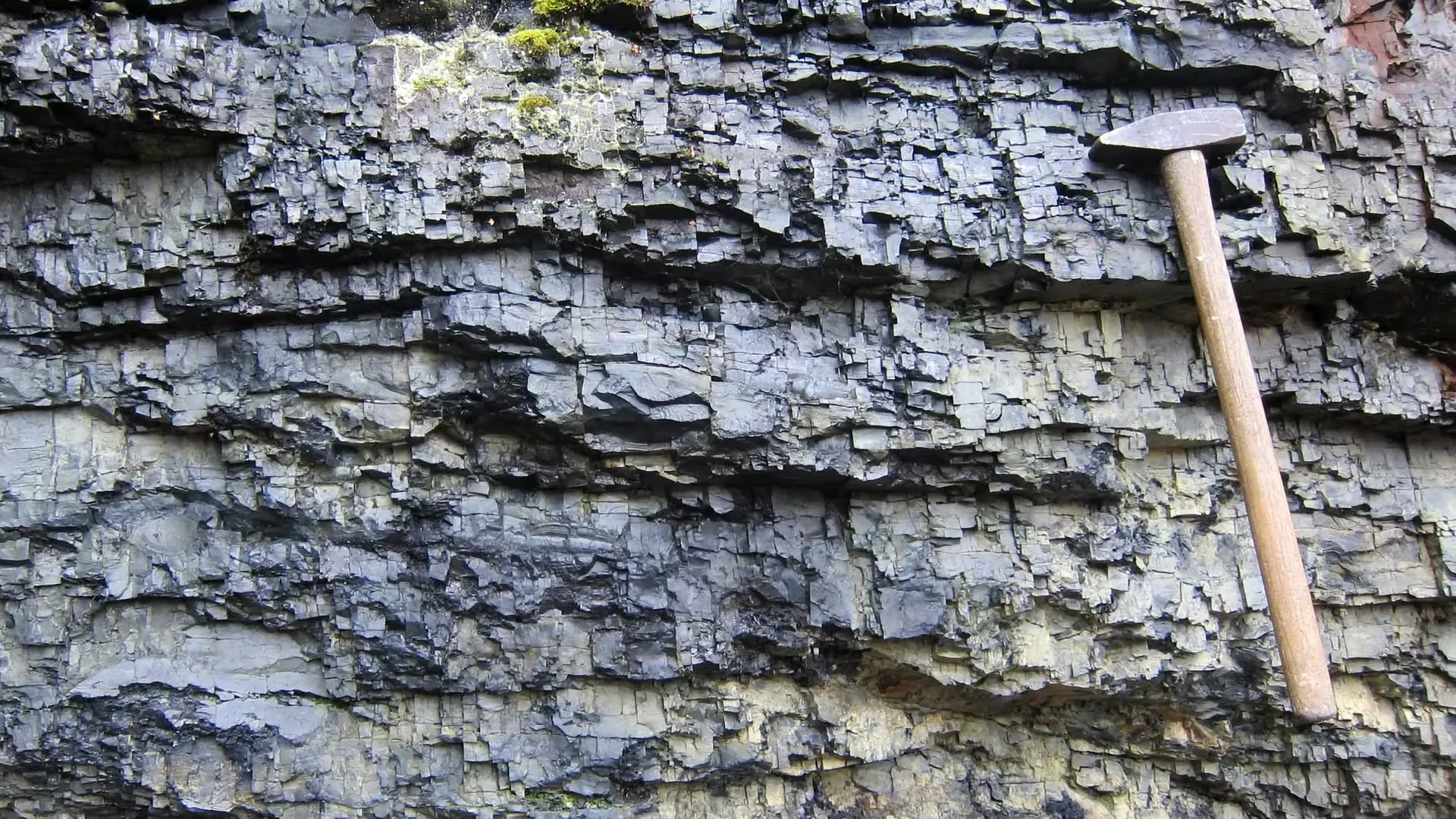
Magma and microbial activity may rewrite a 2-billion-year-old carbon signal
A 2-billion-year-old chemical signature, long read as a planetary turning point, may instead record a quieter, more local story. Scientists found that magma, hydrocarbons, and methane-eating microbes could have produced the signal, not a global shift in Earth's carbon cycle. That distinction matters. It asks us to revisit assumptions about oxygen's rise with calibrated caution. For more context on how Earth's systems respond to pressure, our piece on El Niño's unprecedented ocean warming offers a useful parallel. Understanding drives protection.

Visual Ecology: A New Framework for Early Wetland Health Diagnosis
Color alone will not save a wetland, but it may help us see one failing sooner. A new framework argues that hue, saturation, and lightness can act as an integrative signal across vegetation, soil, and water, turning a fragmented monitoring landscape into a unified observation domain. This is a practical, low-barrier front end for faster triage and broader participation. It deserves attention. For related context on environmental stressors, see our coverage of invasive species impact on seagrass.
Mapping Marine Connections: Understanding Biodiversity’s Role in Ocean Health
Marine species do not drift idly in the current; they are the ocean's connective tissue, moving energy and nutrients across entire basins. Marine Functional Connectivity science is making that invisible web visible, yet our knowledge remains fragmented. We can now track migrations through genetics and telemetry, but major gaps persist across depths and regions. This is not an abstract research problem. It is a governance failure.