genetic diversity
6 stories filed under genetic diversity on World Data Ocean. The newest of them: “Understanding drives protection: microscale environments reveal new pathways for coral reef restoration”, “Precision planting schedules maximize seagrass seedling emergence success”, and “New genetic tools clarify Arctic ice rotifer taxonomy and ecological roles”. Coral recruitment is collapsing, and the scale of the problem has been hiding a critical piece of the solution. Timing is everything in seagrass restoration. A Global Hub for Ocean Intelligence 4 World Data Ocean is a centralized digital platform where researchers, scientists, and ocean enthusiasts converge to… The list below is every genetic diversity story on World Data Ocean, newest first.

Understanding drives protection: microscale environments reveal new pathways for coral reef restoration
Coral recruitment is collapsing, and the scale of the problem has been hiding a critical piece of the solution. By focusing on the microscopic environments where coral larvae actually settle, researchers introduce the "settlement-sphere" concept, a microhabitat of chemical cues, microbial life, and physical complexity that governs survival. Anthropogenic stressors dismantle this sphere. Rebuilding it with targeted materials and chemical restoration offers a measurable path forward. For another perspective on restoring marine complexity, see our coverage of engineered reef structures.
Precision planting schedules maximize seagrass seedling emergence success
Timing is everything in seagrass restoration. Our mesocosm experiments with *Zostera marina* from North Wales reveal that December planting directly into sediment yields the highest seedling emergence at 43.2%. Hessian bags and later planting dates dramatically reduce success. Sediment source also matters, influencing leaf length. These validated, empirical findings offer measurable guidance for restoration programmes. For deeper insights into marine biodiversity, see our related coverage of *Fjord Jellyfish Reveal Unexpected Population Structure Despite Wide Dispersal*.
New genetic tools clarify Arctic ice rotifer taxonomy and ecological roles
Four novel genetic lineages of the rotifer genus *Synchaeta* have been identified from Arctic sea ice, clarifying a long-standing taxonomic blind spot. These microscopic grazers, collected from the Barents Sea and Central Arctic, were previously identifiable only to phylum level. Morphological clues tentatively link the new lineages to known ice-associated species. Integrative molecular and morphological work is essential here, reference databases remain incomplete. This precision matters for understanding sympagic food webs.
Fjord Jellyfish Reveal Unexpected Population Structure Despite Wide Dispersal
In a Norwegian fjord, jellyfish are rewriting the rules of marine connectivity. Genetic analysis of *Aurelia aurita* reveals that benthic polyps act as a persistent reservoir of diversity, while their pelagic medusae are transient, environmentally filtered subsets. Drift simulations predicted homogenized mixing, yet field data shows heterogeneous genetic structure. Dispersal potential alone cannot explain this. Life-stage complexity and local demographics matter. For a related look at how subsea infrastructure shapes connectivity, see our coverage of "Integrated Subsea Infrastructure Shifts to Enhance Indian Ocean Connectivity."
Octocorals: Resilient Reef Builders Facing Anthropocene Challenges
In Hong Kong's turbid, hyposaline waters, octocorals are not just surviving; they are revealing how resilience functions under pressure. A genomic study of three species, including *Dendronephthya gigantea*, found low genetic diversity and weak population differentiation, suggesting a small founder population that expanded through asexual reproduction. This is not a weakness. These colonies persist where conditions should be suboptimal, and that adaptability carries real conservation weight. As we face accelerating climate instability, such marginal communities may hold essential genetic keys.
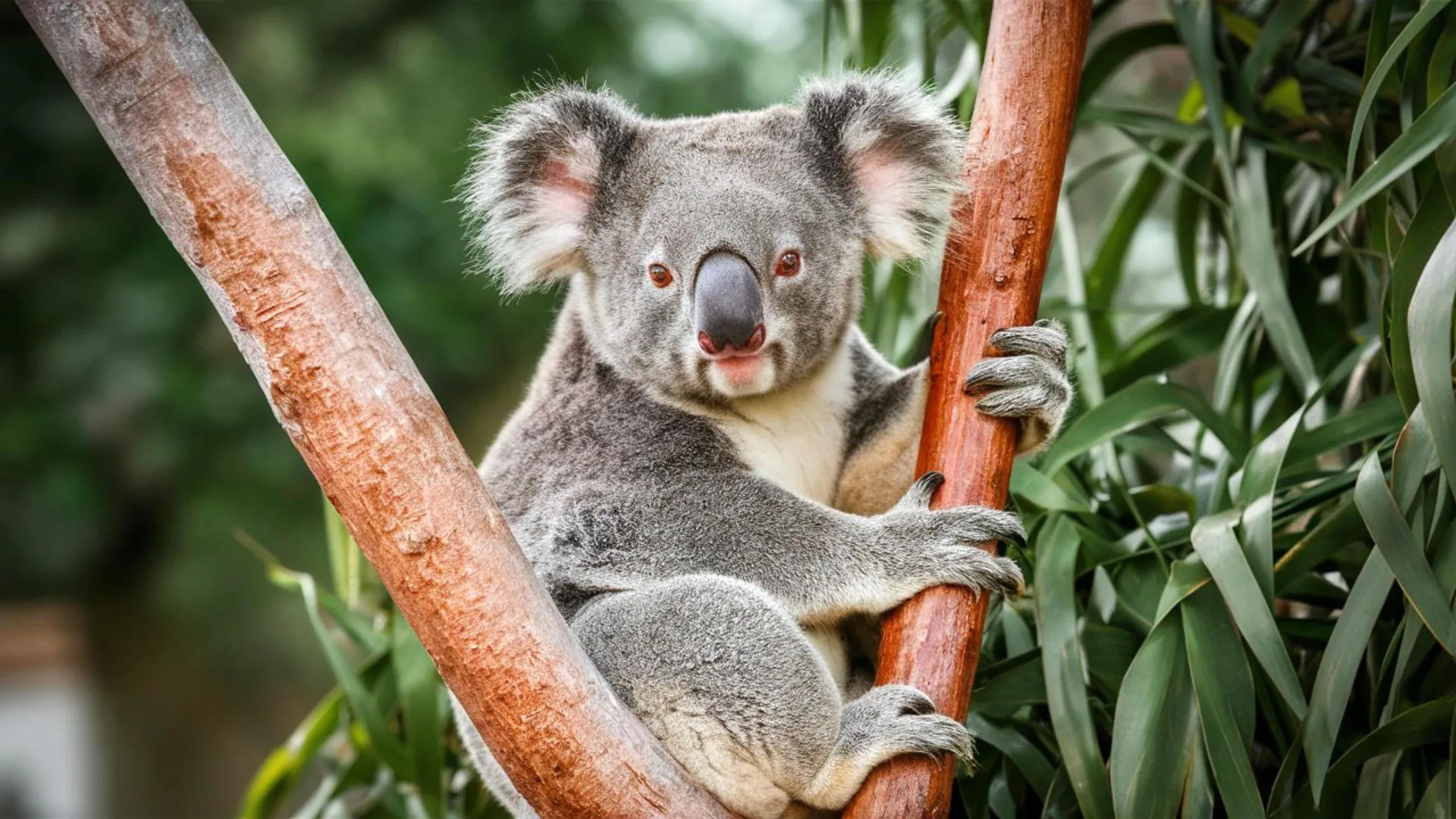
Ancient DNA Reveals Prehistoric Koala Population Bottleneck
A population collapse that predates human arrival has quietly shaped every koala alive today. By calculating the koala's mutation rate for the first time and sequencing hundreds of genomes, researchers traced the species back to a small group that endured extreme climate shifts roughly 100,000 years ago. That survival story is a measurable lesson in resilience. For more on how environmental pressures echo through time, see our related piece on fossilized dinosaur feathers and survival traits.