FSUI
FSUI at World Data Ocean is a file of 5 stories. The newest of them: “Drone Strike and Fire Imperil Cargo Ship, 23 Seafarers Aboard”, “Strait of Hormuz Incident: Iranian Forces Engage Container Ship Euphoria.”, and “Crew Refusal Highlights Strait of Hormuz Risks for Maritime Workers”. The MV BARYON, IMO 9151412, was struck by a drone and fire while en route from Novorossiysk to Karachi, imperiling 23 seafarers aboard. On April 22, Iranian forces engaged the Euphoria, a Panama-flagged container ship, marking the third attack on vessels that day. A Global Hub for Ocean Intelligence 4 World Data Ocean is a centralized digital platform where researchers, scientists, and ocean enthusiasts converge to… The list below is every FSUI story on World Data Ocean, newest first.
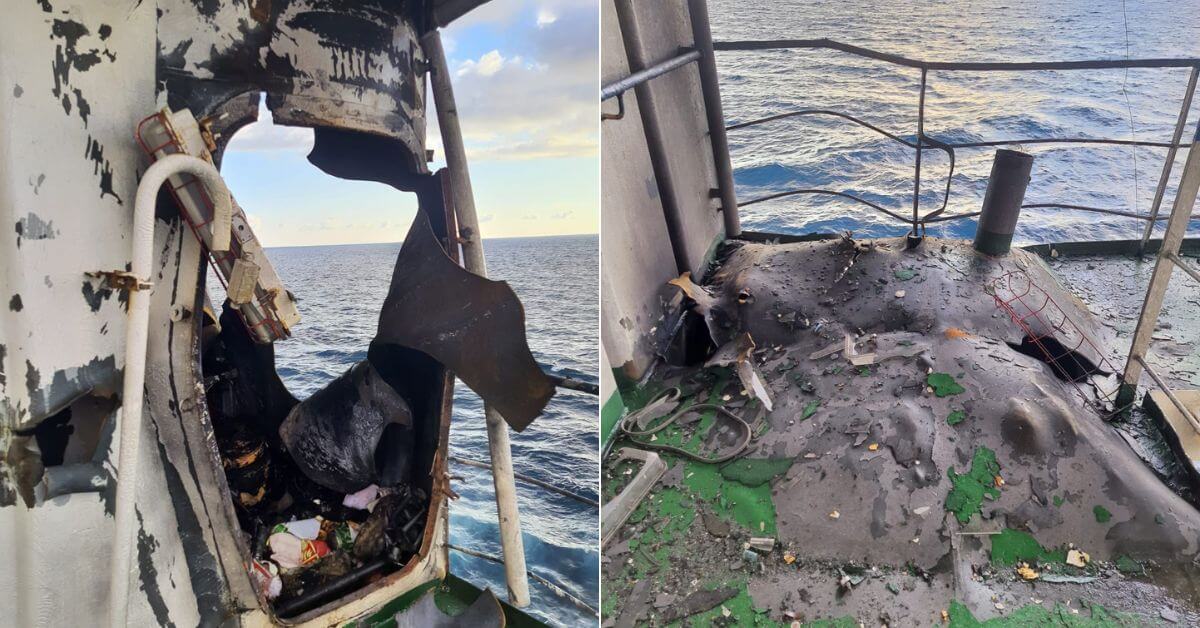
Drone Strike and Fire Imperil Cargo Ship, 23 Seafarers Aboard
The MV BARYON, IMO 9151412, was struck by a drone and fire while en route from Novorossiysk to Karachi, imperiling 23 seafarers aboard. This incident is a sharp reminder that maritime risk is no longer confined to weather or navigation. The threat is asymmetric, and it is here. As our reporting on Gulf of Oman STS transfers and Russian drone activities suggests, the operational picture is shifting. We will be tracking this closely, because safety at sea demands we understand every new vulnerability.

Strait of Hormuz Incident: Iranian Forces Engage Container Ship Euphoria.
On April 22, Iranian forces engaged the Euphoria, a Panama-flagged container ship, marking the third attack on vessels that day. The incident underscores how fragile transit through the Strait of Hormuz has become. This is not abstract geopolitics; it is a direct challenge to the maritime routes that global trade depends on. For deeper context on how shipping lanes are adapting, our piece on Gulf of Oman STS transfers offers a useful parallel. The pattern is clear: pressure on this waterway is no longer hypothetical.

Crew Refusal Highlights Strait of Hormuz Risks for Maritime Workers
A refusal to transit the Strait of Hormuz is not a small decision; it is a direct measure of perceived risk. Sixteen Indian crew members aboard the Marshall Islands-flagged AM Pioneer have made that call, and their judgment speaks to the reality facing maritime workers in this waterway. Their choice underscores that safety concerns now outweigh the pressure to keep moving, a point that deserves serious attention from the industry.

Protecting Indian Shipping: Union Calls for Naval Presence in Red Sea
The Forward Seamen's Union of India has called on the Modi Government to deploy Navy warships in the Red Sea, a direct response to mounting threats against Indian vessels and the seafarers who crew them. The request is measured and necessary. Protecting commercial routes is not an act of aggression; it is the baseline for stable trade and safer transit. This aligns with broader strategic discussions, including India's planned naval expansion toward a more contested maritime future.

Securing Maritime Routes: Urgent Global Action Needed to Protect Shipping.
Attacks on commercial shipping across the Black Sea, Red Sea, Gulf of Aden, and Strait of Hormuz are no longer isolated incidents; they are a coordinated challenge to global trade. This pattern demands a unified, empirical response, not reactive patchwork. The data is clear: maritime routes are increasingly contested, and the cost of inaction is measurable. We support urgent, collaborative action to protect these vital corridors. For deeper context on the region's pressures, our coverage of Gulf of Oman STS transfers offers a relevant perspective.