flood
flood at World Data Ocean is a file of 3 stories. The newest of them: “Calibrating early warnings to close Nepal's disaster preparedness gaps”, “River Floods Displace Cruise Ship Into Nepal's Narayani Bridge”, and “Mapping Channel Currents: Vessel Data Reveals Complex Tidal Flows in Colombia”. Nepal's debris flow claimed lives not because the hazard was unknown, but because calibrated early warnings failed to reach those in harm's way. A tourist cruise ship was swept into Nepal's Narayani Bridge after days of relentless rainfall swelled the Narayani River. A Global Hub for Ocean Intelligence 4 World Data Ocean is a centralized digital platform where researchers, scientists, and ocean enthusiasts converge to… The list below is every flood story on World Data Ocean, newest first.

Calibrating early warnings to close Nepal's disaster preparedness gaps
Nepal's debris flow claimed lives not because the hazard was unknown, but because calibrated early warnings failed to reach those in harm's way. That gap, between satellite data and community action, is measurable and fixable. Closing it demands an integrated data ecosystem that translates real-time climate indicators into actionable alerts. Local preparedness is not secondary to technology; it is the final, essential calibration. For further context on escalating mountain risks, see our article "Rising Risks: Mountain Hazards Intensify with Climate Change."
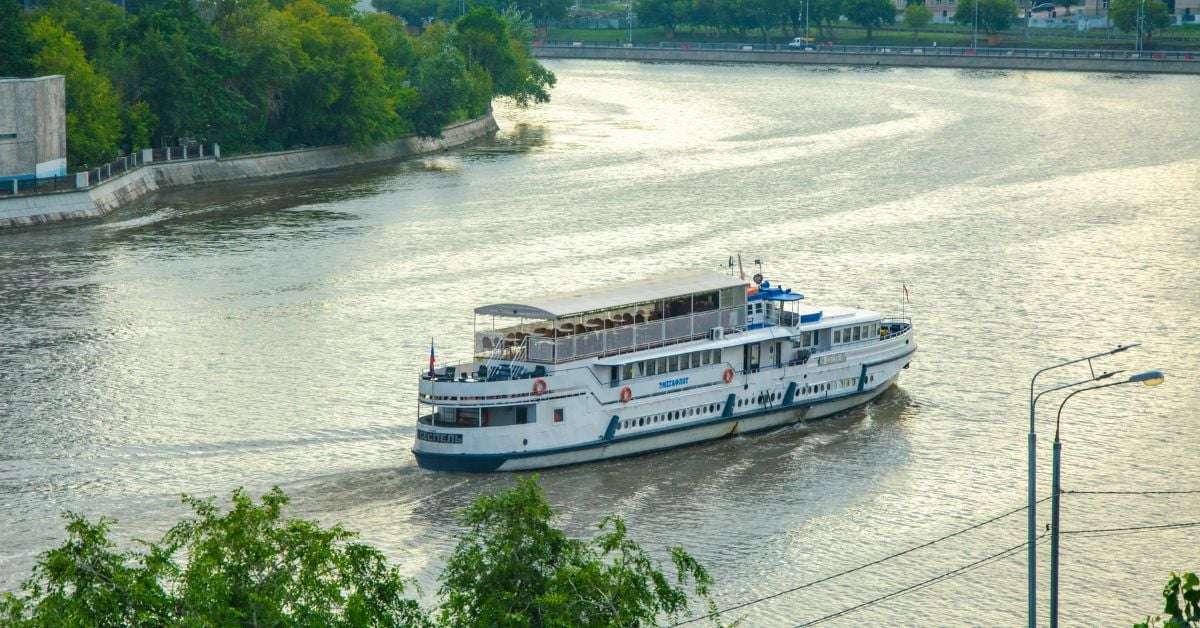
River Floods Displace Cruise Ship Into Nepal's Narayani Bridge
A tourist cruise ship was swept into Nepal's Narayani Bridge after days of relentless rainfall swelled the Narayani River. This is not a distant anomaly, it is a measurable consequence of shifting climate indicators. Such events underscore why integrated, real-time ocean and river data matter. Understanding drives protection. For deeper context on how data-enabled responses save lives, see our coverage of "Ocean Data Enables Swift Rescue of Injured Seafarer Near Andamans."

Mapping Channel Currents: Vessel Data Reveals Complex Tidal Flows in Colombia
Tidal currents in port channels are rarely this telling. A study of Colombia's Tumaco, Buenaventura, and Málaga bays, built on 1.48 million vessel-mounted ADCP profiles, reveals that stratification alone cannot explain vertical shear asymmetry. Buenaventura and Málaga show ebb shear exceeding flood by 1.77 times, while Tumaco stays phase-independent. That contrast points to channel geometry and friction, not just water-column structure. It is a measured, peer-reviewed step toward understanding where single moorings fall short.