Exclusive Economic Zone (EEZ)
2 stories filed under Exclusive Economic Zone (EEZ) on World Data Ocean. The newest of them: “Indian Navy Explores Domestic Innovation for Amphibious Fleet Expansion” and “Somalia’s Fisheries: Governance Gaps Fuel IUU Fishing and Resource Depletion”. The Indian Navy's Request for Information for six new Landing Craft Utility Mk V vessels signals a deliberate shift toward domestic shipbuilding, a move that strengthens both operational reach and industrial… Somalia's fisheries governance has unraveled since 1991, leaving its Exclusive Economic Zone exposed to foreign fleets operating without accountability. A Global Hub for Ocean Intelligence 4 World Data Ocean is a centralized digital platform where researchers, scientists, and ocean enthusiasts converge to… The list below is every Exclusive Economic Zone (EEZ) story on World Data Ocean, newest first.
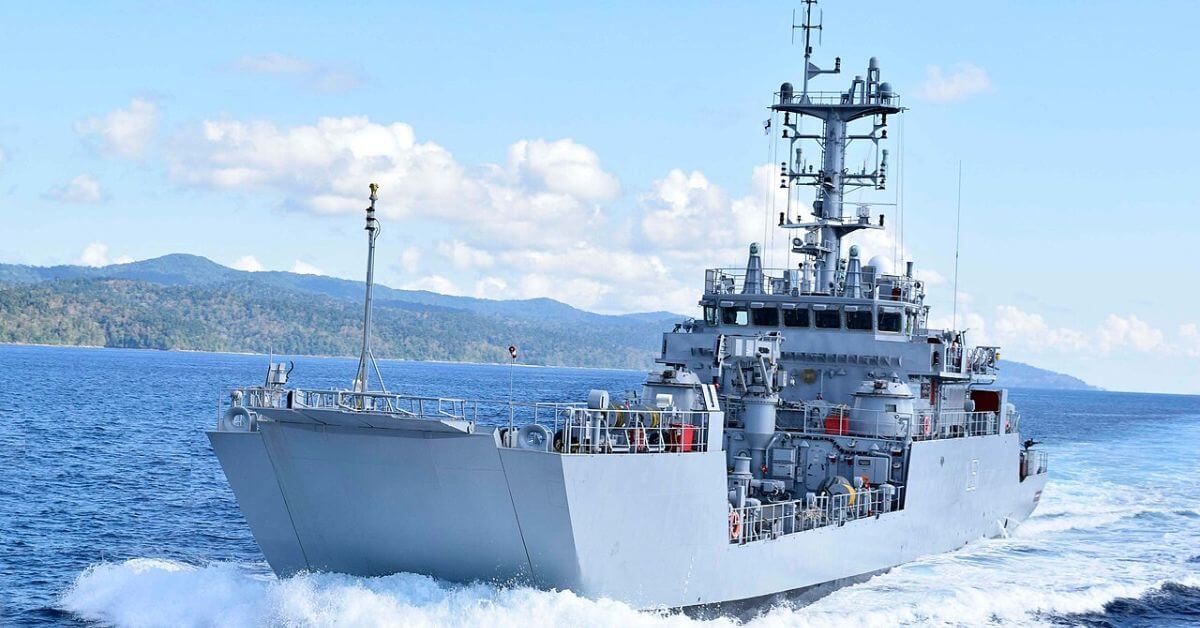
Indian Navy Explores Domestic Innovation for Amphibious Fleet Expansion
The Indian Navy's Request for Information for six new Landing Craft Utility Mk V vessels signals a deliberate shift toward domestic shipbuilding, a move that strengthens both operational reach and industrial self-reliance. This is not merely procurement; it is an investment in sovereign capability. As the service projects a larger fleet toward 2040, as detailed in our related article on India's naval expansion, such steps ensure readiness remains anchored in homegrown innovation. We see this as a practical, forward-looking decision.

Somalia’s Fisheries: Governance Gaps Fuel IUU Fishing and Resource Depletion
Somalia's fisheries governance has unraveled since 1991, leaving its Exclusive Economic Zone exposed to foreign fleets operating without accountability. This systematic review confronts a hard truth: institutional fragmentation between Mogadishu and federal member states, weak surveillance, and corruption have rendered UNCLOS, the PSMA, and IOTC measures insufficient on their own. The paper argues convincingly that centralized enforcement and decentralized governance are mismatched tools. A hybrid model, blending state capacity with community co-management and technological monitoring, offers a more credible path forward.