epidemiology
World Data Ocean keeps epidemiology in one place: 3 stories so far. The section currently leads with “Shifting Malaria Risks: Climate Change Reshapes Disease Patterns in Africa”, “Longitudinal Data Links Early Sugar Restriction to Reduced Dementia Risk”, and “Drought's Reach: Wildlife Migration May Trigger Yellow Fever in Brazil”. Climate indicators now show a measurable shift in malaria's footprint across Africa. Sugar rationing during World War II did more than stretch limited supplies; it may have reshaped lifelong brain health. A Global Hub for Ocean Intelligence 4 World Data Ocean is a centralized digital platform where researchers, scientists, and ocean enthusiasts converge to… The list below is every epidemiology story on World Data Ocean, newest first.
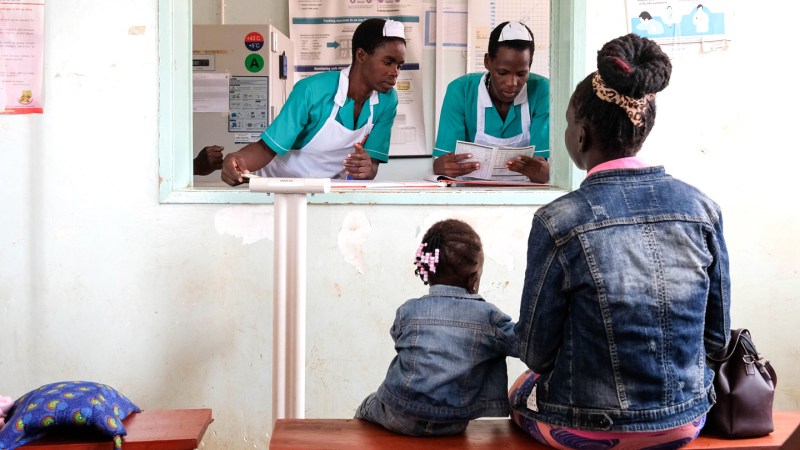
Shifting Malaria Risks: Climate Change Reshapes Disease Patterns in Africa
Climate indicators now show a measurable shift in malaria's footprint across Africa. Historic data and validated predictions point to rising case counts in East Africa and southern regions, while the threat may ease in West and Central Africa. This is not alarmism, it is empirical evidence demanding adaptive planning. Understanding drives protection. For deeper context on climate-driven systems change, see our related analysis on "Transformative Coastal Adaptation: Analyzing Systems for Climate Resilience."

Longitudinal Data Links Early Sugar Restriction to Reduced Dementia Risk
Sugar rationing during World War II did more than stretch limited supplies; it may have reshaped lifelong brain health. New longitudinal data suggests that children exposed to this early sugar restriction carried a lower risk of dementia and Alzheimer's disease decades later. That is a remarkable, measurable signal. It underscores how early nutrition calibrates long-term outcomes, a reminder that interventions in childhood can yield validated benefits across a lifetime.
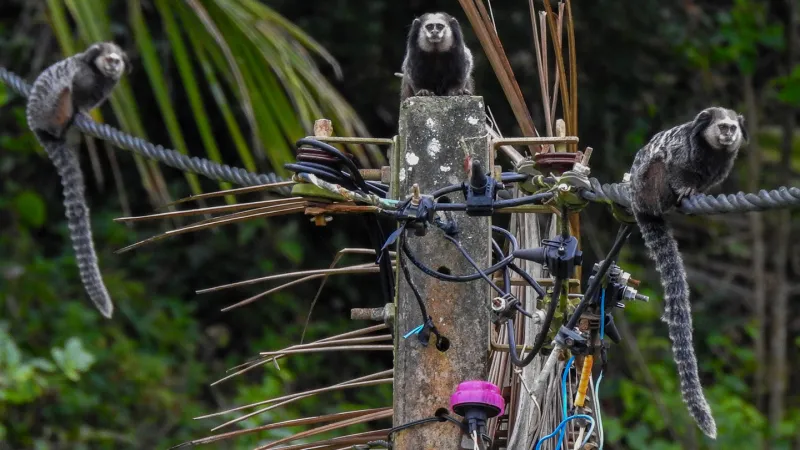
Drought's Reach: Wildlife Migration May Trigger Yellow Fever in Brazil
Drought can move more than dust. In Brazil, animals driven to find water carried the forest into the city, and may have triggered the country's first yellow fever outbreak in decades. That chain, from thirsty wildlife to urban transmission, is a stark measure of how climate stress reshapes disease risk. It is a reminder that ecological disruption rarely stays in the wild. For broader context on climate-driven change, see our piece on Atlantic Circulation Weakens: Global Climate Reshaping Predicted.