environmental response
2 stories filed under environmental response on World Data Ocean. The newest of them: “Russian Fishing Vessel Partially Sinks at Montevideo Port” and “Canada Bolsters Arctic Capabilities with New Icebreaker Fleet.”. A Russian-flagged fishing vessel partially sank while berthed at Uruguay's Port of Montevideo after losing stability, a reminder that maritime risks persist even in protected harbors. Canada is putting steel behind its Arctic strategy with a new icebreaker fleet that will give NATO its largest polar capability. A Global Hub for Ocean Intelligence 4 World Data Ocean is a centralized digital platform where researchers, scientists, and ocean enthusiasts converge to… The list below is every environmental response story on World Data Ocean, newest first.
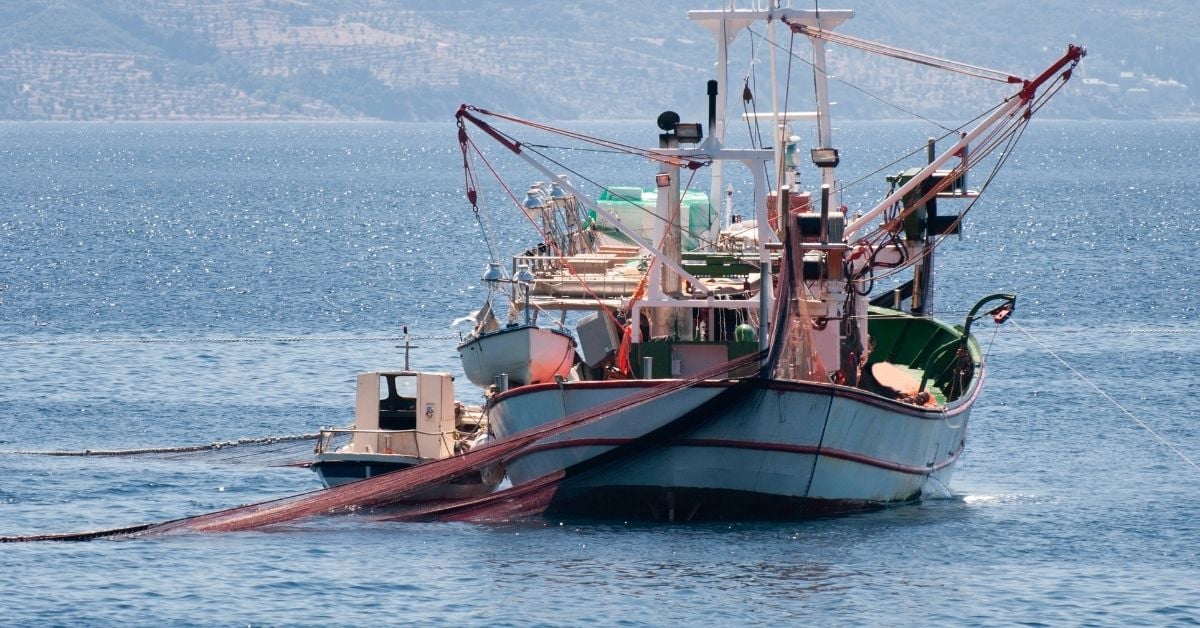
Russian Fishing Vessel Partially Sinks at Montevideo Port
A Russian-flagged fishing vessel partially sank while berthed at Uruguay's Port of Montevideo after losing stability, a reminder that maritime risks persist even in protected harbors. The incident underscores how quickly operational stability can unravel, though the crew's status remains unconfirmed. Such events invite scrutiny of port-side protocols and vessel condition, especially as our coverage of the *Bulk Carrier Freed After Prolonged Grounding Near Gladstone* shows similar challenges elsewhere.

Canada Bolsters Arctic Capabilities with New Icebreaker Fleet.
Canada is putting steel behind its Arctic strategy with a new icebreaker fleet that will give NATO its largest polar capability. The move sharpens a quiet but consequential gap: the United States operates just three aging polar icebreakers. This is what integrated ocean intelligence looks like in practice: measured, deliberate, and forward-deployed. For readers tracking the wider picture, our coverage of Russia's Northern Sea Route fleet plans offers a useful counterpoint. The Arctic is no longer a frontier; it is a jurisdiction.