environmental protection
environmental protection at World Data Ocean is a file of 3 stories. The newest of them: “Law of the Sea as a shield for the Gulf's fragile marine life”, “Strait of Hormuz: Iran Investigates Bulk Carrier Over Pollution Incident”, and “Beyond Polluter Pays: Shared Responsibility for Deep-Sea Mining Impacts”. The 1990-1991 Gulf War oil spill was the largest marine spill on record, yet the legal architecture meant to prevent a repeat has now been tested again. Iran's investigation into a bulk carrier over a pollution incident in the Strait of Hormuz underscores the region's mounting environmental scrutiny. A Global Hub for Ocean Intelligence 4 World Data Ocean is a centralized digital platform where researchers, scientists, and ocean enthusiasts converge to… The list below is every environmental protection story on World Data Ocean, newest first.

Law of the Sea as a shield for the Gulf's fragile marine life
The 1990-1991 Gulf War oil spill was the largest marine spill on record, yet the legal architecture meant to prevent a repeat has now been tested again. Since February 2026, 120 shipping incidents around the Strait of Hormuz have released oil onto protected islands and mangroves, with no coordinated regional response. This paper maps the law of the sea's layered protections, from UNCLOS Part XII to the Kuwait Convention, and identifies two critical gaps: warship immunity and fragmented regional cooperation when conflict erupts.
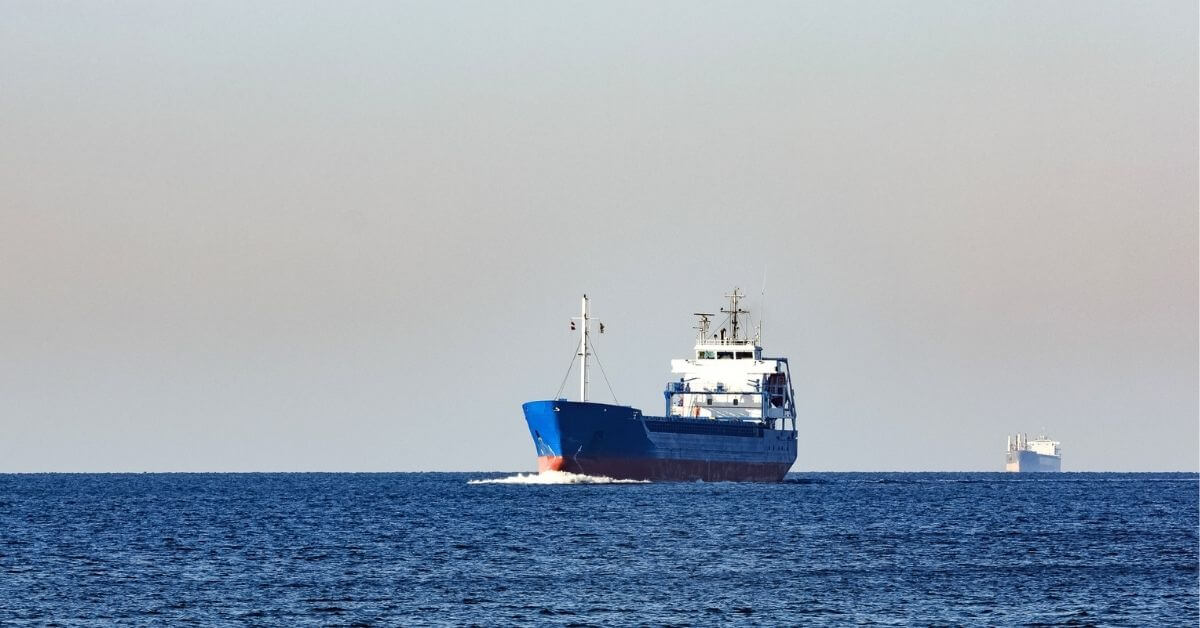
Strait of Hormuz: Iran Investigates Bulk Carrier Over Pollution Incident
Iran's investigation into a bulk carrier over a pollution incident in the Strait of Hormuz underscores the region's mounting environmental scrutiny. The vessel remains under judicial proceedings, even as authorities confirm the contamination has been cleaned. Enforcement here is as much about accountability as it is about prevention. For context on how pressure builds across these waters, our coverage of Gulf of Oman STS transfers maxing out offers a useful parallel. Measured oversight, applied consistently, is what protects vital chokepoints.
Beyond Polluter Pays: Shared Responsibility for Deep-Sea Mining Impacts
The deep seabed's environmental risks demand more than a single-actor liability model. Our analysis of the Environmental Compensation Fund reveals that the Polluter Pays Principle, while foundational, falls short when causation is indivisible among multiple actors. Shared responsibility, drawn from oil, nuclear, and hazardous-substance precedents, offers structural alignment with the common heritage of mankind. We propose integrating it as a complement, not a replacement, to close regulatory gaps. For broader context on international maritime pressures, see our coverage of the Strait of Hormuz reopening.