environmental changes
environmental changes at World Data Ocean is a file of 4 stories. The newest of them: “Ancient ocean phosphorus cycles reveal Earth's 2.3-billion-year oxygen secret”, “A 10,000-ton survey ship extends ocean intelligence to 5,000-meter depths”, and “Assessing Acetes chinensis Fishery: Vital Data for Sustainable Harvests”. Phosphorus recycling in ancient oceans may have solved a 2.3-billion-year mystery: how Earth kept enough oxygen to support life. A 10,000-ton survey ship with a 5,000-meter drilling tool represents a new chapter in ocean intelligence. A Global Hub for Ocean Intelligence 4 World Data Ocean is a centralized digital platform where researchers, scientists, and ocean enthusiasts converge to… The list below is every environmental changes story on World Data Ocean, newest first.
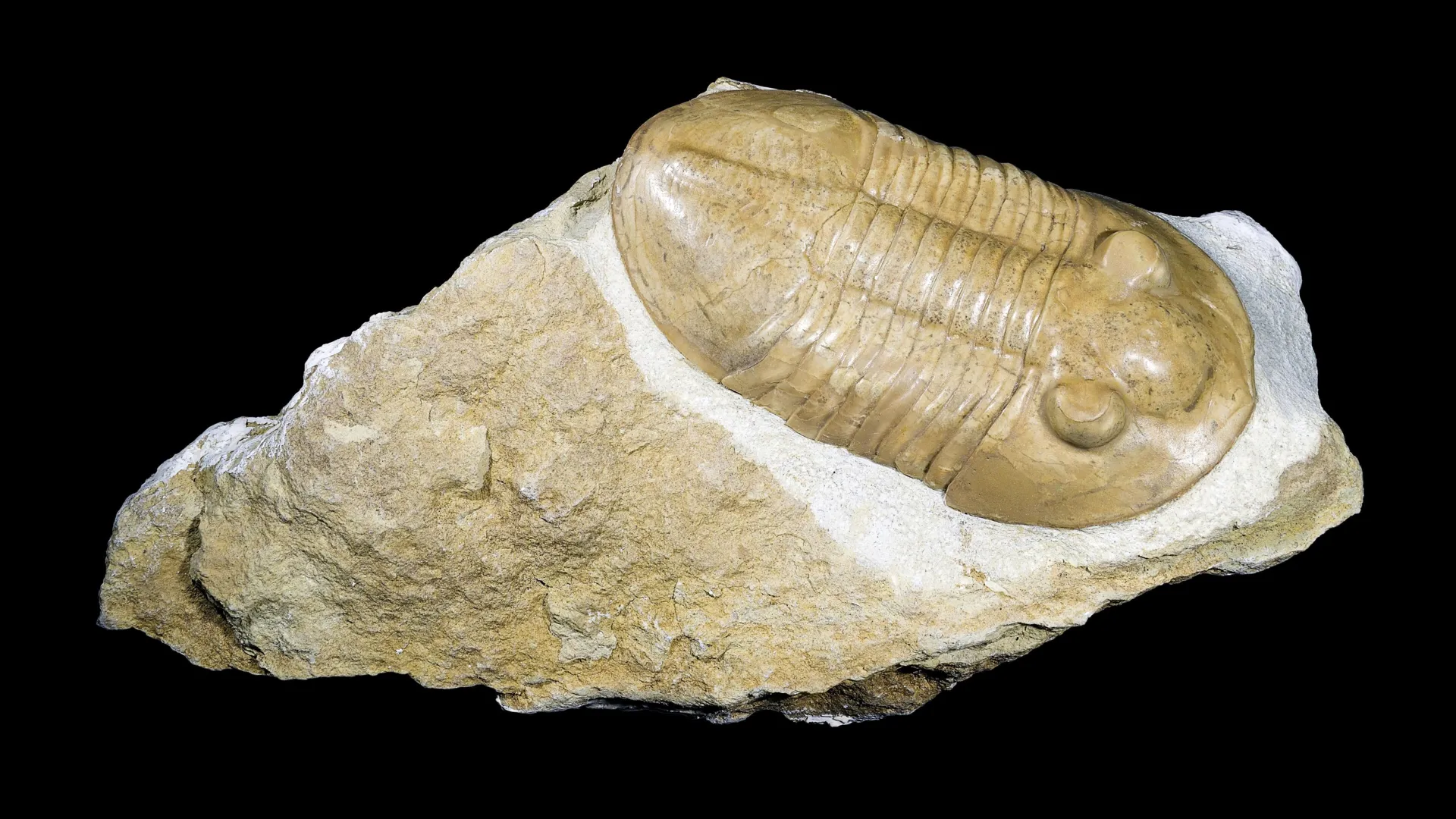
Ancient ocean phosphorus cycles reveal Earth's 2.3-billion-year oxygen secret
Phosphorus recycling in ancient oceans may have solved a 2.3-billion-year mystery: how Earth kept enough oxygen to support life. New evidence from old rocks reveals a self-sustaining cycle that maintained high oxygen levels through dramatic planetary change. This challenges long-held assumptions about our early atmosphere. It also raises compelling questions about why complex life took so long to emerge. For deeper context, our coverage of "Acidification Alters Phytoplankton Chemistry" explores how ocean chemistry continues shaping life today.

A 10,000-ton survey ship extends ocean intelligence to 5,000-meter depths
A 10,000-ton survey ship with a 5,000-meter drilling tool represents a new chapter in ocean intelligence. Chinese engineers have designed this 11,023-ton vessel to extend our empirical reach into the deep. It is a calibrated, measurable step toward understanding the abyss. For context on how we validate marine life as a climate indicator, see our related coverage of "Validating Northern Krill as a Calibrated Source of Ocean Protein."

Assessing Acetes chinensis Fishery: Vital Data for Sustainable Harvests
The Bohai Sea alone supplies nearly 40% of China's *Acetes chinensis* catch. That concentration makes this keystone species both economically vital and ecologically sensitive. Our length-based stock assessments confirm the population remains healthy, with spawning potential holding steady around 0.4 through 2024. Yet regional size variations demand localized management. This is empirical, actionable data, not alarmism. Understanding drives protection. For broader context on the Bohai Sea's changing dynamics, see our related coverage on carbon cycle monitoring in that same basin.
Hawaiian Blacktip Sharks Reveal Coastal Nursery Habitat Use
Hilo Bay has quietly claimed a significant distinction: it is the first documented blacktip shark nursery habitat in Hawai'i. Over 18 months, acoustic tracking of 29 juveniles revealed year-round residency, with peaks from March through August. What stands out is the role of dissolved oxygen, which appears to shape when and where these sharks move. This is empirical, measurable evidence that coastal habitats deserve closer scrutiny. Understanding these patterns strengthens our ability to protect the spaces where young sharks begin their lives.