Enforcement
Enforcement at World Data Ocean is a file of 5 stories. The newest of them: “Somalia’s Fisheries: Governance Gaps Fuel IUU Fishing and Resource Depletion”, “Norway Enforces International Ruling, Seizes Russian Vessel Linked to Svalbard Cruises”, and “Modeling Reef Fish Habitat to Guide Marine Protection in Remote Islands”. Somalia's fisheries governance has unraveled since 1991, leaving its Exclusive Economic Zone exposed to foreign fleets operating without accountability. Norway's seizure of a Russian vessel linked to Svalbard cruises marks a decisive step in enforcing international maritime rulings. A Global Hub for Ocean Intelligence 4 World Data Ocean is a centralized digital platform where researchers, scientists, and ocean enthusiasts converge to… The list below is every Enforcement story on World Data Ocean, newest first.

Somalia’s Fisheries: Governance Gaps Fuel IUU Fishing and Resource Depletion
Somalia's fisheries governance has unraveled since 1991, leaving its Exclusive Economic Zone exposed to foreign fleets operating without accountability. This systematic review confronts a hard truth: institutional fragmentation between Mogadishu and federal member states, weak surveillance, and corruption have rendered UNCLOS, the PSMA, and IOTC measures insufficient on their own. The paper argues convincingly that centralized enforcement and decentralized governance are mismatched tools. A hybrid model, blending state capacity with community co-management and technological monitoring, offers a more credible path forward.
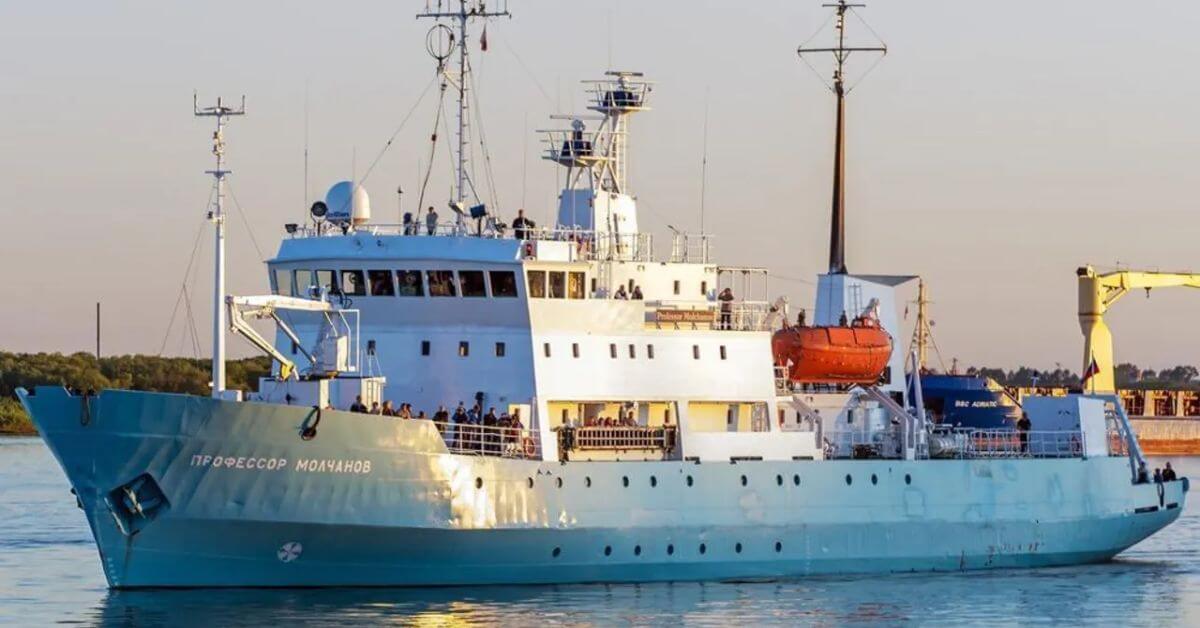
Norway Enforces International Ruling, Seizes Russian Vessel Linked to Svalbard Cruises
Norway's seizure of a Russian vessel linked to Svalbard cruises marks a decisive step in enforcing international maritime rulings. The ship, operated by the Russian Federation for commercial expedition voyages, now sits at the center of a legal and geopolitical test. This action underscores that ocean governance carries weight beyond rhetoric. It also echoes broader patterns in Arctic shipping, where Russia's strategic ambitions, from icebreaker funding to Arctic oil exports, increasingly collide with international law. We'll be watching how this precedent shapes future compliance.
Modeling Reef Fish Habitat to Guide Marine Protection in Remote Islands
The Azores' expanding MPA network appears to be placed where it matters most, yet its no-take zones protect only a sliver of the high-suitability habitat these models identify. That distinction matters. Using a decade of underwater census data, the random forest approach turns sparse observations into actionable ocean intelligence, showing that lenient regulations may undercut legal protection. Spatial expansion alone won't close the gap; stricter enforcement will.

Maritime Trade Under Scrutiny: Singapore Authorities Intervene in Suspected Fuel Deal
Maritime Trade Under Scrutiny: Singapore Authorities Intervene in Suspected Fuel Deal Singapore's Police Coast Guard officers arrested nine men, aged 25 to 54, during a check on a tugboat in waters off Tuas, where a suspected fuel deal drew official attention. The intervention underscores the quiet vigilance required to keep maritime commerce credible. Enforcement actions like this matter because they protect the integrity of trade routes that depend on trust.
MPA Governance: Balancing Conservation and Blue Economies in Island Nations
Marine protected areas in island nations often promise more than they deliver. Fiji, Palau, and Taiwan's marine governance system each show that designating ocean space is not the same as governing it effectively. The real variable is institutional coherence: whether fisheries, maritime industries, and conservation speak to each other across agencies and levels. Coverage alone falls short. Governance alignment, not area size, determines whether MPAs support climate-resilient blue economies. For those tracking enforcement and monitoring gaps, the lessons here are practical.