Energy supply
Energy supply at World Data Ocean is a file of 3 stories. The newest of them: “Petronas launches world's first nearshore floating LNG facility, calibrated for 2027 start-up”, “Securing Energy: Japan Plans Integrated Pipeline Network Beyond Hormuz Strait”, and “Navigating Community Views: Marine Energy's Path Forward in Chile”. Petronas has named PFLNG TIGA the world's first nearshore floating LNG facility, calibrated for 2027 start-up. Japan is moving to secure its energy lifeline with an integrated pipeline network designed to bypass the Strait of Hormuz, a strategic chokepoint where geopolitical friction carries real economic weight. A Global Hub for Ocean Intelligence 4 World Data Ocean is a centralized digital platform where researchers, scientists, and ocean enthusiasts converge to… The list below is every Energy supply story on World Data Ocean, newest first.

Petronas launches world's first nearshore floating LNG facility, calibrated for 2027 start-up
Petronas has named PFLNG TIGA the world's first nearshore floating LNG facility, calibrated for 2027 start-up. This measured step toward integrated ocean intelligence prioritizes accessible infrastructure over deep-water complexity. It also arrives alongside South Korea's push for a nuclear-powered LNG carrier, signaling a broader shift toward validated, forward-thinking maritime energy solutions.
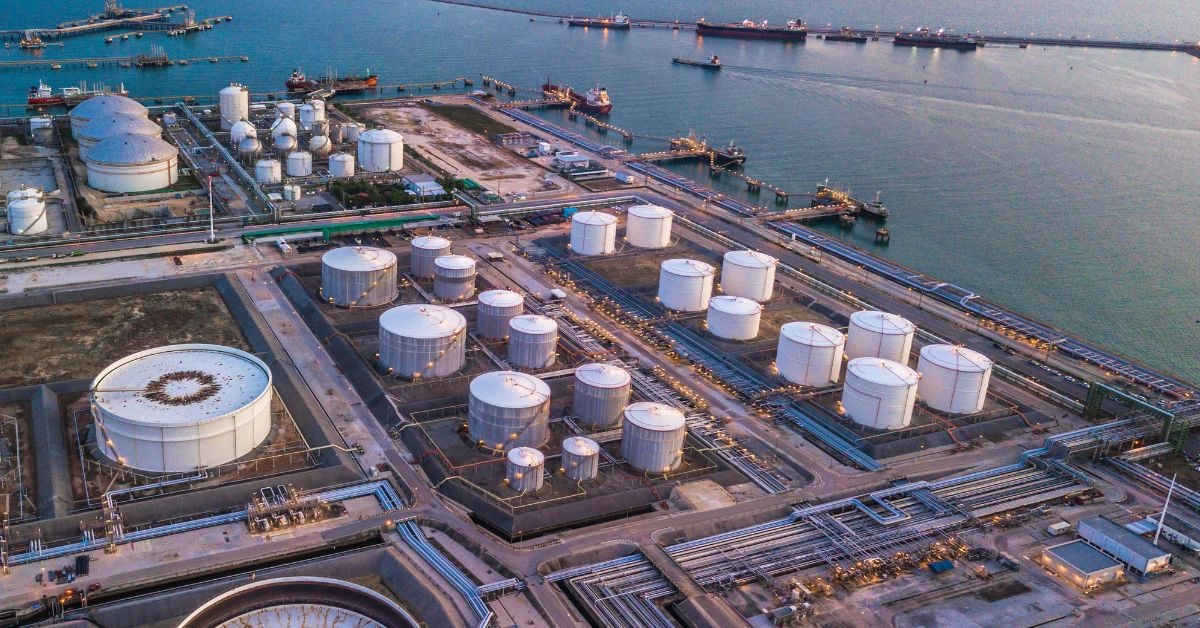
Securing Energy: Japan Plans Integrated Pipeline Network Beyond Hormuz Strait
Japan is moving to secure its energy lifeline with an integrated pipeline network designed to bypass the Strait of Hormuz, a strategic chokepoint where geopolitical friction carries real economic weight. The plan reflects a calculated shift toward resilience, not alarm. It is a measured response to a fragile maritime route, and one that warrants attention as global supply chains recalibrate. For broader context on regional bottlenecks, our related coverage on Gulf of Oman STS transfers offers a useful lens.

Navigating Community Views: Marine Energy's Path Forward in Chile
Chile's transition to marine energy hinges on more than turbines and currents; it hinges on trust. A new choice experiment with 1,200 respondents reveals two dominant public preference classes: younger, educated, higher-income citizens prioritize marine fauna impacts, while older, less wealthy groups focus on energy costs. This heterogeneity is a practical map for policy design. Yet, persistent distrust in energy institutions signals a clear mandate.