employment
employment at World Data Ocean is a file of 5 stories. The newest of them: “A Measured Step Forward for West African Maritime Infrastructure”, “India's first e-methanol plant fuels cleaner shipping on the Asia-Europe corridor”, and “Seafarer Welfare: Integrated Data Reveals Persistent Gaps, Urges Accountability”. A 10,000-hectare deep-sea port and special economic zone in Nigeria's Ogun State signals a measured step forward for West African maritime infrastructure. A ₹2,300 crore investment now anchors India's first e-methanol plant, designed to supply cleaner fuel for ships on the Asia-Europe corridor. A Global Hub for Ocean Intelligence 4 World Data Ocean is a centralized digital platform where researchers, scientists, and ocean enthusiasts converge to… The list below is every employment story on World Data Ocean, newest first.
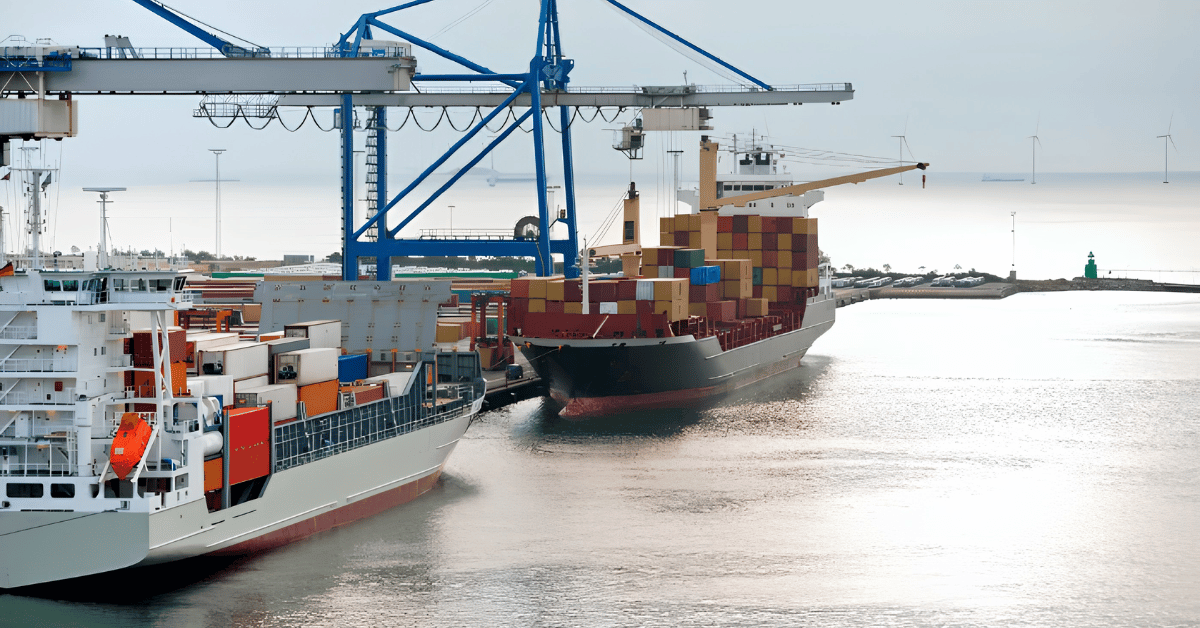
A Measured Step Forward for West African Maritime Infrastructure
A 10,000-hectare deep-sea port and special economic zone in Nigeria's Ogun State signals a measured step forward for West African maritime infrastructure. DP World, Ogun State, and Ogun Deep Sea Port have signed MoUs to explore this integrated development, one that could reshape regional trade logistics. Such projects demand empirical validation, not hype. For context on how ocean data underpins infrastructure decisions, our coverage of "Empirical ocean data powers the measurable path to energy transition" offers a parallel. Understanding drives responsible expansion.
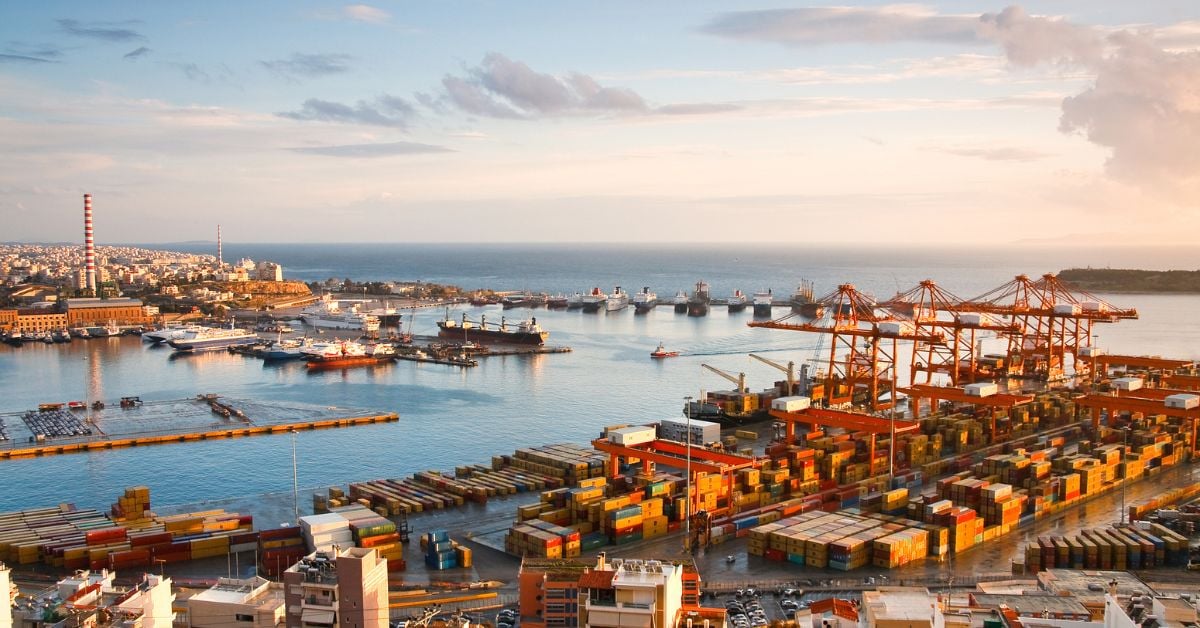
India's first e-methanol plant fuels cleaner shipping on the Asia-Europe corridor
A ₹2,300 crore investment now anchors India's first e-methanol plant, designed to supply cleaner fuel for ships on the Asia-Europe corridor. This is measurable progress, a calibrated step toward decarbonizing one of the world's busiest trade routes. Validated, real-time climate indicators demand such integrated solutions. The project reflects purpose-driven innovation, not hype. For deeper context on maritime welfare, see our coverage of the Seafarers' Welfare Centre approved for Goa's Mormugao Port. Understanding drives protection, from fuel formulation to port infrastructure.
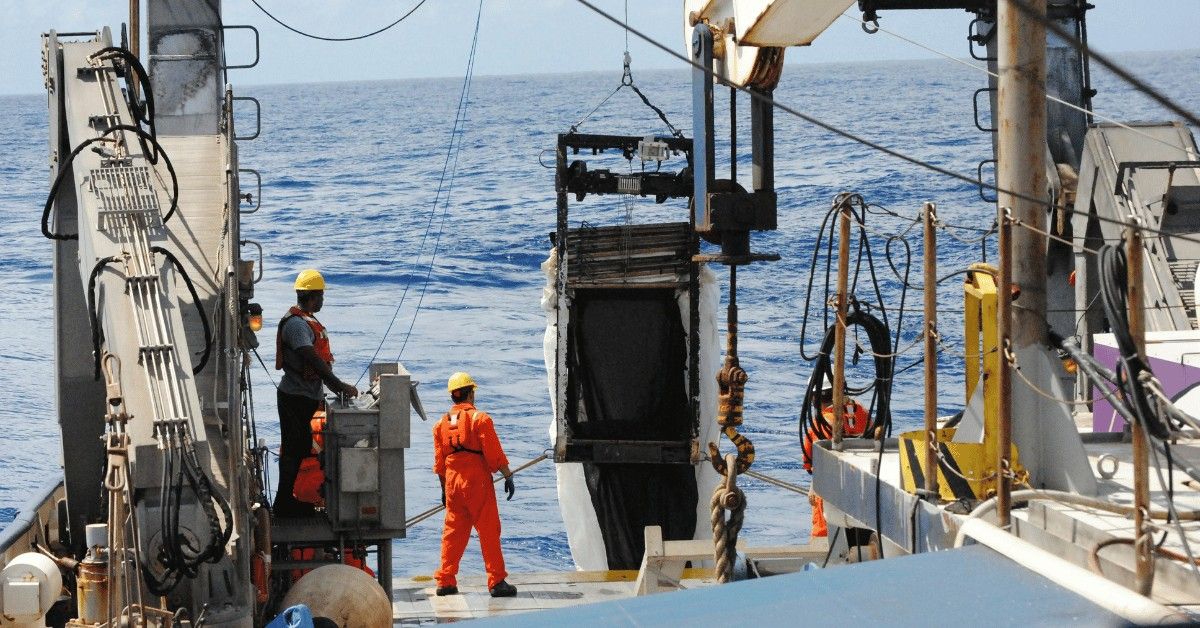
Seafarer Welfare: Integrated Data Reveals Persistent Gaps, Urges Accountability
Five years after the Seafarers' Rights Code set sail, the data is clear: progress remains uneven. While the framework has driven measurable improvements, persistent gaps in pay, crewing, and wellbeing show that accountability is still catching up to intent. That is not a failure of the code; it is a call to calibrate its implementation. For context on how maritime infrastructure is evolving, our coverage of Cochin Shipyard's design expansion offers a useful parallel. Seafarers deserve more than promises; they need validated, integrated action.

Cochin Shipyard Expansion Drives Ocean Data Innovation and Regional Growth
Cochin Shipyard's expansion is set to generate roughly 2,000 direct jobs, with related industries likely to multiply that impact. This is more than industrial growth; it is a concrete step toward strengthening ocean data innovation where it matters most, at the regional level. The project aligns with a broader push for integrated maritime capability, echoing efforts like the recent design equity stake in Conoship. Measured, deliberate investment like this builds the infrastructure for lasting ocean intelligence.
Expanding Oceanographic Research Horizons: Career Opportunities in Canada
Canada's oceanographic community extends well beyond Bedford. For a physical oceanographer and a hydrology-focused civil engineer, the University of British Columbia's Institute for the Oceans and Fisheries and the University of Victoria's Ocean Networks Canada offer strong research pathways, while Quebec's Institut des sciences de la mer provides coastal expertise. These hubs value the integrated data ecosystem you both represent. For broader context on collaborative observation, our piece on "Bridging Data Gaps: Integrating Citizen Science for Ocean Intelligence" complements this career landscape.