emission reduction
World Data Ocean keeps emission reduction in one place: 3 stories so far. The section currently leads with “Hong Kong and Piraeus forge measurable green shipping corridor”, “ICT Development's Role in Decarbonizing Global Maritime Transport”, and “Data Integration Drives Low-Carbon Fisheries in China”. Hong Kong and Piraeus have signed the first green shipping corridor between the two port cities, a measurable step toward decarbonizing global maritime trade. A new study confirms what we've long suspected: ICT development measurably reduces CO₂ emissions from maritime transport. A Global Hub for Ocean Intelligence 4 World Data Ocean is a centralized digital platform where researchers, scientists, and ocean enthusiasts converge to… The list below is every emission reduction story on World Data Ocean, newest first.
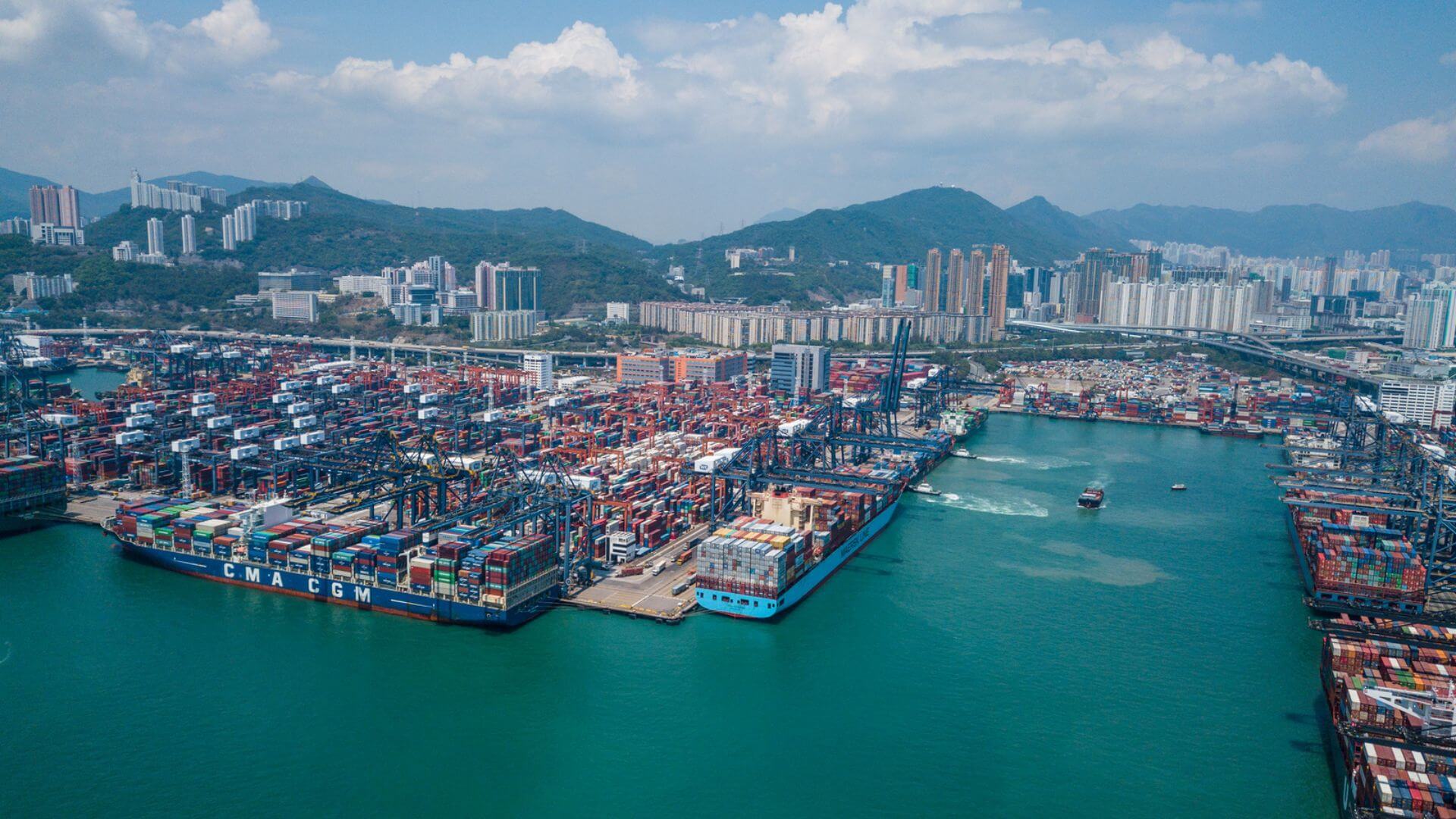
Hong Kong and Piraeus forge measurable green shipping corridor
Hong Kong and Piraeus have signed the first green shipping corridor between the two port cities, a measurable step toward decarbonizing global maritime trade. Additional memoranda with Zhanjiang and Yangpu reinforce this integrated approach. This corridor is not symbolic; it is a calibrated, real-world test of low-carbon fuel infrastructure and operational change. For deeper context on fuel pathways, see our related coverage: "Ethanol capacity offers a validated pathway for methanol-ready ship fleets."

ICT Development's Role in Decarbonizing Global Maritime Transport
A new study confirms what we've long suspected: ICT development measurably reduces CO₂ emissions from maritime transport. Analyzing data across 111 countries, researchers found that digital infrastructure cuts emissions, but only up to a point. Beyond a certain scale of maritime activity, that benefit weakens. The threshold effect is a sobering reminder that technology alone cannot solve decarbonization. Strategy must scale with operations. For further context on maritime infrastructure growth, see our coverage of Paradip Port's designation as a Mega Port.
Data Integration Drives Low-Carbon Fisheries in China
New digital infrastructure is not a neutral tool; it is a measurable lever for decarbonization. Our analysis of 30 provincial regions from 2004 to 2024 confirms that such infrastructure significantly cuts fishery carbon emissions, with effects that spill across regional lines. The indirect benefits even outweigh local ones. This is empirical proof that integrated data ecosystems can drive real climate progress. For broader maritime context, see our coverage of record port activity reflecting rising Chinese exports.