earth sciences
World Data Ocean keeps earth sciences in one place: 3 stories so far. The section currently leads with “Ocean Warming Amplifies Seismic Activity Through Increased Wave Energy”, “Mapping the Earth's Hidden Layers with Seismic Rumbles”, and “Cascadia and San Andreas: Linked Earthquake Risk Emerges from Ocean Data”. Seismic records now show something worth pausing on: ocean waves are gaining strength as the planet warms, and that energy is registering deep in the Earth's crust. Beneath our feet, the ground is rarely silent. A Global Hub for Ocean Intelligence 4 World Data Ocean is a centralized digital platform where researchers, scientists, and ocean enthusiasts converge to… The list below is every earth sciences story on World Data Ocean, newest first.

Ocean Warming Amplifies Seismic Activity Through Increased Wave Energy
Seismic records now show something worth pausing on: ocean waves are gaining strength as the planet warms, and that energy is registering deep in the Earth's crust. This is not a distant concern; it is a measurable, peer-reviewed signal that links climate indicators directly to ground motion. The data is clear, and it demands we take the connection between warming oceans and seismic activity seriously.

Mapping the Earth's Hidden Layers with Seismic Rumbles
Beneath our feet, the ground is rarely silent. Scientists have turned fiber-optic cables into seismic ears, capturing the faint rumble of "thunderquakes" to map the hidden layers of the Earth. It is a clever recalibration of existing infrastructure, transforming a network of light into a tool for urban hazard detection. This approach offers a measurable way to see what is buried below, and it pairs well with our coverage of the Cascadia Subduction Zone, which reveals a similarly fragmented tectonic process.
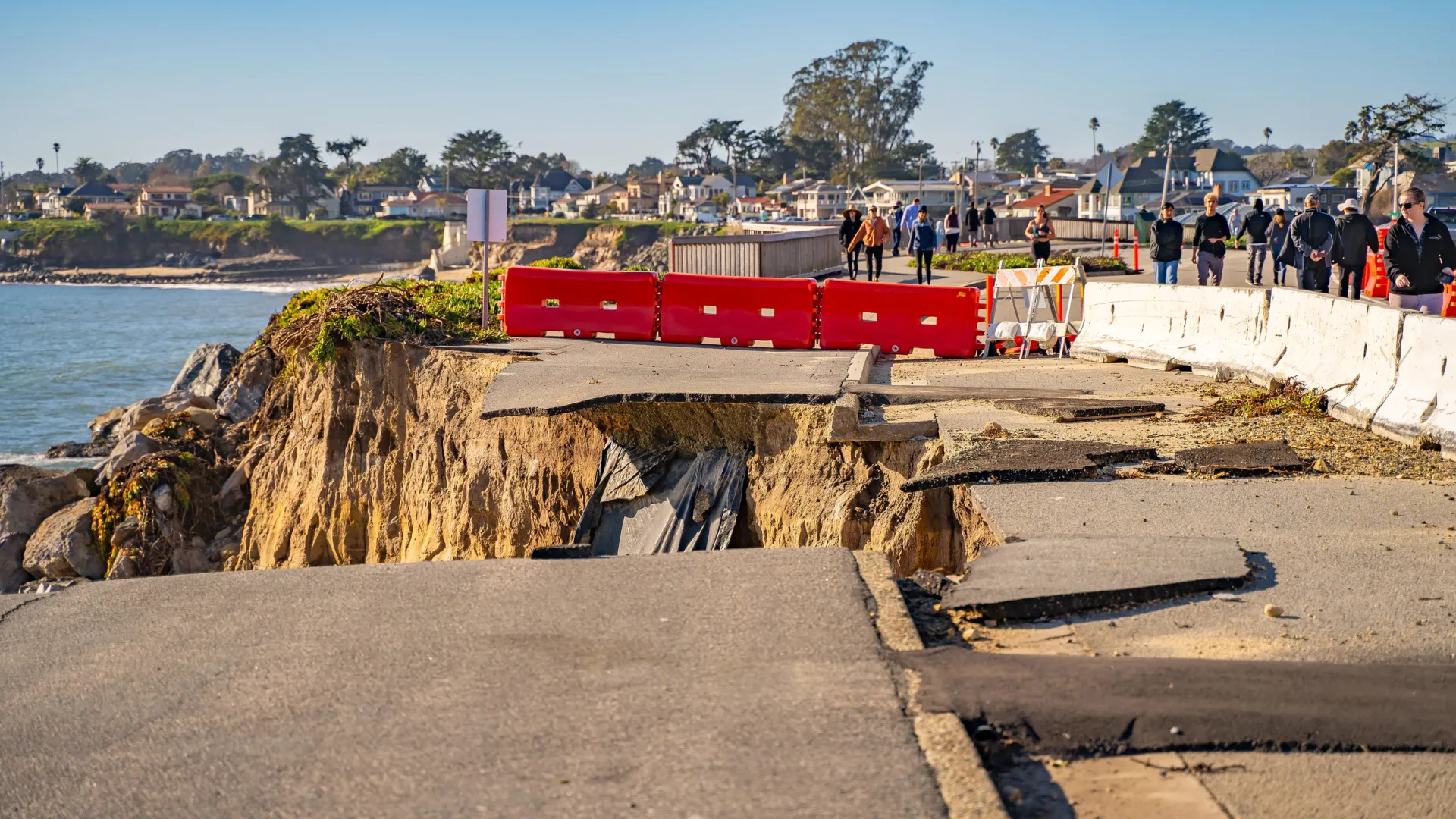
Cascadia and San Andreas: Linked Earthquake Risk Emerges from Ocean Data
Sediment layers preserved in the ocean floor now suggest that a major Cascadia rupture may have repeatedly triggered a second quake on the San Andreas Fault. The pattern, drawn from thousands of years of underwater landslide records, points to a troubling possibility: these two fault systems may not always act alone. The finding reframes how we understand seismic risk along the West Coast.