dying
2 stories filed under dying on World Data Ocean. The newest of them: “Contact between genetically identical corals enables recovery from severe bleaching” and “Global mortality patterns reveal regions where deaths outpace births”. Severely bleached corals can recover by simply touching healthy, genetically identical corals. Regions where deaths outpace births are becoming measurable indicators of demographic and economic strain. A Global Hub for Ocean Intelligence 4 World Data Ocean is a centralized digital platform where researchers, scientists, and ocean enthusiasts converge to… The list below is every dying story on World Data Ocean, newest first.
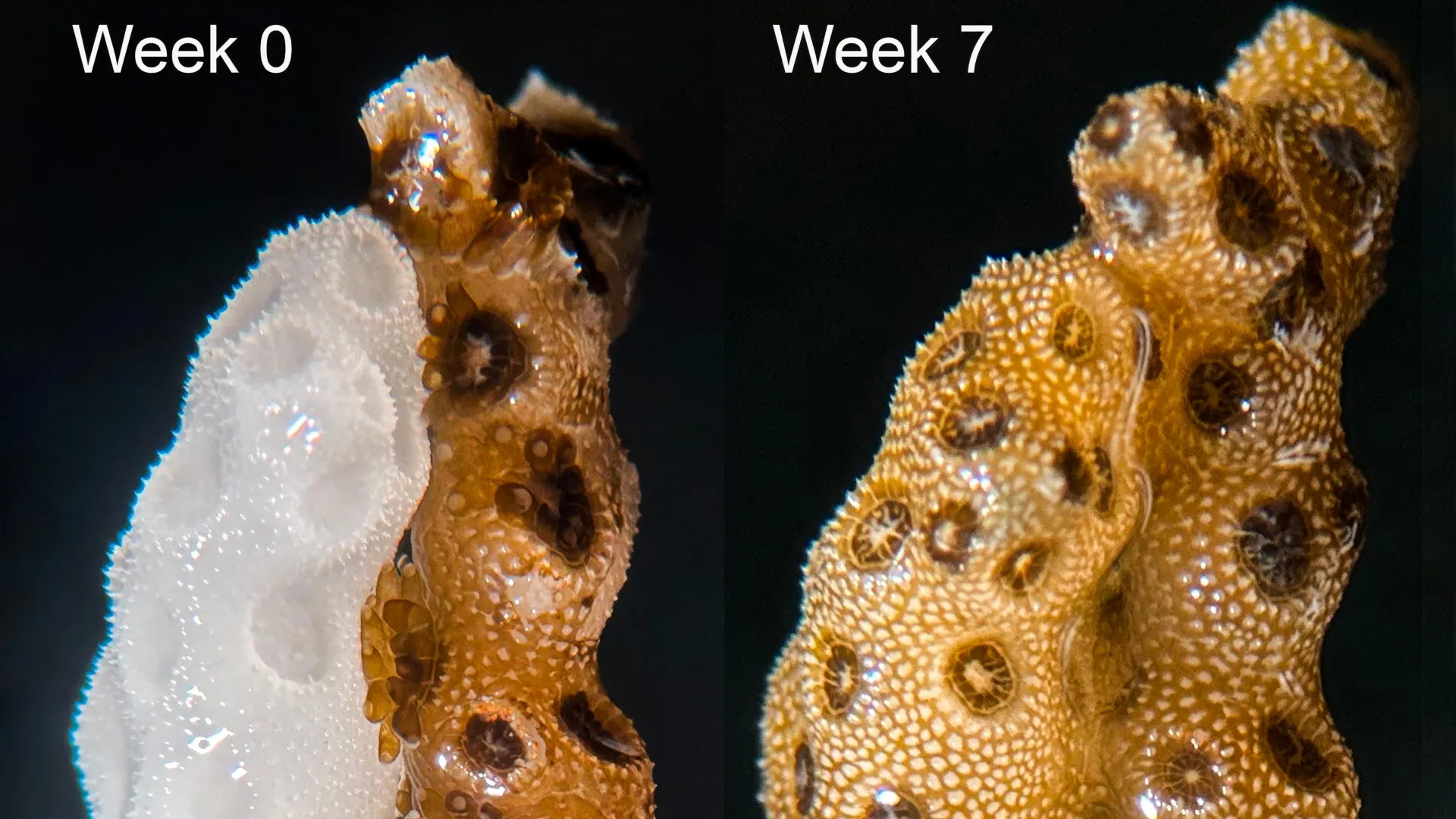
Contact between genetically identical corals enables recovery from severe bleaching
Severely bleached corals can recover by simply touching healthy, genetically identical corals. In laboratory experiments, dying colonies regained their full color within seven weeks, with as little as five days of contact triggering the healing process. This is a measurable, validated pathway to resilience, one that reframes recovery as an integrated, social process. The finding pairs well with our coverage of Western Atlantic corals facing rising heat, offering a concrete mechanism for hope amid climate stress.
Global mortality patterns reveal regions where deaths outpace births
Regions where deaths outpace births are becoming measurable indicators of demographic and economic strain. These mortality patterns, validated by longitudinal data, reveal a global shift that demands integrated understanding. The same empirical rigor that tracks Britain's validated decline in smoking, once widespread, now uncommon, applies here. From orbit to ocean floor, we follow the data. These are not abstract statistics; they are climate indicators of human systems, demanding calibrated, purposeful attention.