Dubai Tower
3 stories filed under Dubai Tower on World Data Ocean. The newest of them: “Northern Sea Route Logs 14,000 TEUs in Eight Pre-Winter Transits”, “Arctic Route Expands: China's "Ice Silk Road" Connects East and Europe.”, and “Arctic Shipping Route Emerges as Climate-Driven Alternative.”. 14,000 TEUs moved through the Northern Sea Route in eight pre-winter transits, carrying energy equipment, power batteries, and new electric vehicles. On Aug. A Global Hub for Ocean Intelligence 4 World Data Ocean is a centralized digital platform where researchers, scientists, and ocean enthusiasts converge to… The list below is every Dubai Tower story on World Data Ocean, newest first.
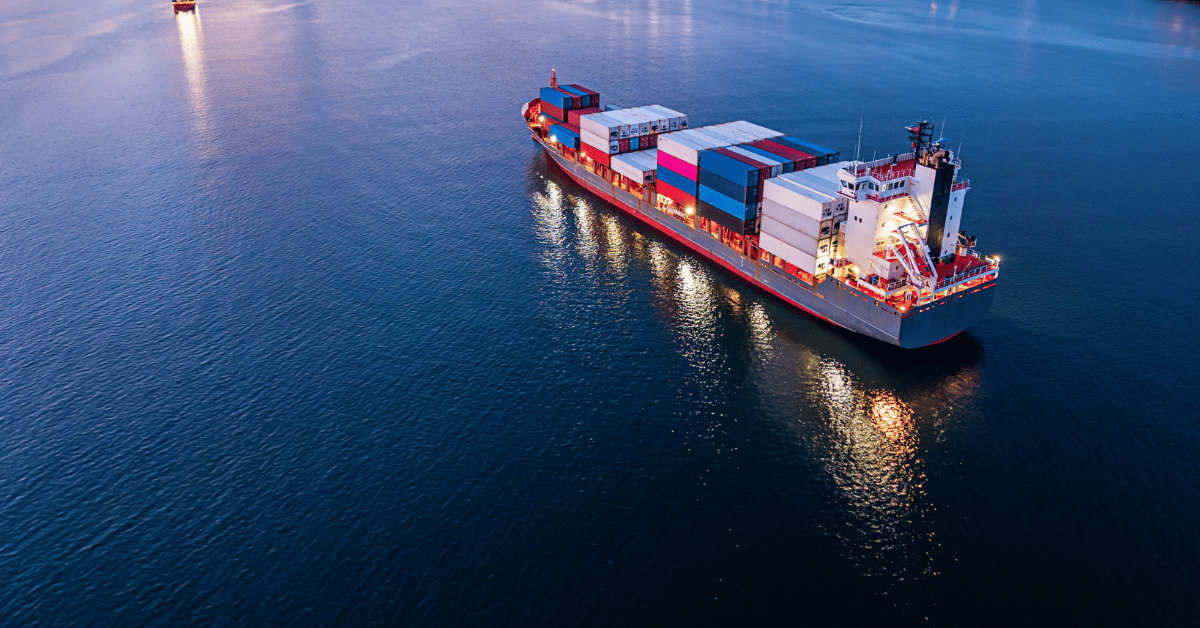
Northern Sea Route Logs 14,000 TEUs in Eight Pre-Winter Transits
14,000 TEUs moved through the Northern Sea Route in eight pre-winter transits, carrying energy equipment, power batteries, and new electric vehicles. These are not speculative projections, they are validated, measurable cargo flows demonstrating the Arctic's growing role in global logistics. As sea ice models evolve, understanding these shifts becomes essential. For deeper context on how we refine such environmental baselines, see "Refining sea ice models to capture fractal features reshapes estimates of Arctic marine production."

Arctic Route Expands: China's "Ice Silk Road" Connects East and Europe.
On Aug. 15, Sea Legend launched its weekly China-Europe Arctic Express, a scheduled service that turns the fabled "Ice Silk Road" into a working corridor. The route matters because it shortens the physical and logistical distance between East Asia and Europe, offering a practical alternative to congested southern passages. This is not spectacle; it is measured progress in ocean logistics. For context on how Arctic shipping economics are evolving, our coverage of Russia's icebreaker export revenue plans provides useful calibration.

Arctic Shipping Route Emerges as Climate-Driven Alternative.
A scheduled Arctic route now links Ningbo to Felixstowe, with Sea Legend running the weekly service. This is not a distant proposal; it is a working commercial response to receding ice and shifting trade realities. The passage shortens transit times, yet it also demands calibrated investment in icebreaker support and polar infrastructure. Climate change is redrawing maritime maps, and carriers are adapting. For context on how nations are financing these northern lanes, see our coverage of Russia's icebreaker export revenue plans.