dual-fuel vessels
3 stories filed under dual-fuel vessels on World Data Ocean. The newest of them: “A Measured Shift in Maritime Capacity Signals Evolving Ocean Intelligence”, “Shipping alliance targets 12,000-tonne CO2 cut via second-generation biofuels”, and “India Prioritizes Domestic Yards in $720 Million Shipbuilding Initiative”. China now commands nearly 82% of global new ship orders through September 2026, a measured, data-validated signal that maritime capacity is being reshaped by integrated ocean intelligence. CMA CGM and DSV are targeting a 12,000-tonne CO₂ reduction over two years through ACT+ low-carbon shipping solutions powered by second-generation biofuels. A Global Hub for Ocean Intelligence 4 World Data Ocean is a centralized digital platform where researchers, scientists, and ocean enthusiasts converge to… The list below is every dual-fuel vessels story on World Data Ocean, newest first.

A Measured Shift in Maritime Capacity Signals Evolving Ocean Intelligence
China now commands nearly 82% of global new ship orders through September 2026, a measured, data-validated signal that maritime capacity is being reshaped by integrated ocean intelligence. This isn't a sudden surge; it reflects calibrated industrial strategy and real-time climate indicators converging. The shift parallels measurable progress in lower-emission shipping, as our coverage of the dual-fuel fleet surpassing 500 vessels shows. Understanding these longitudinal trends drives smarter stewardship of our shared ocean economy.
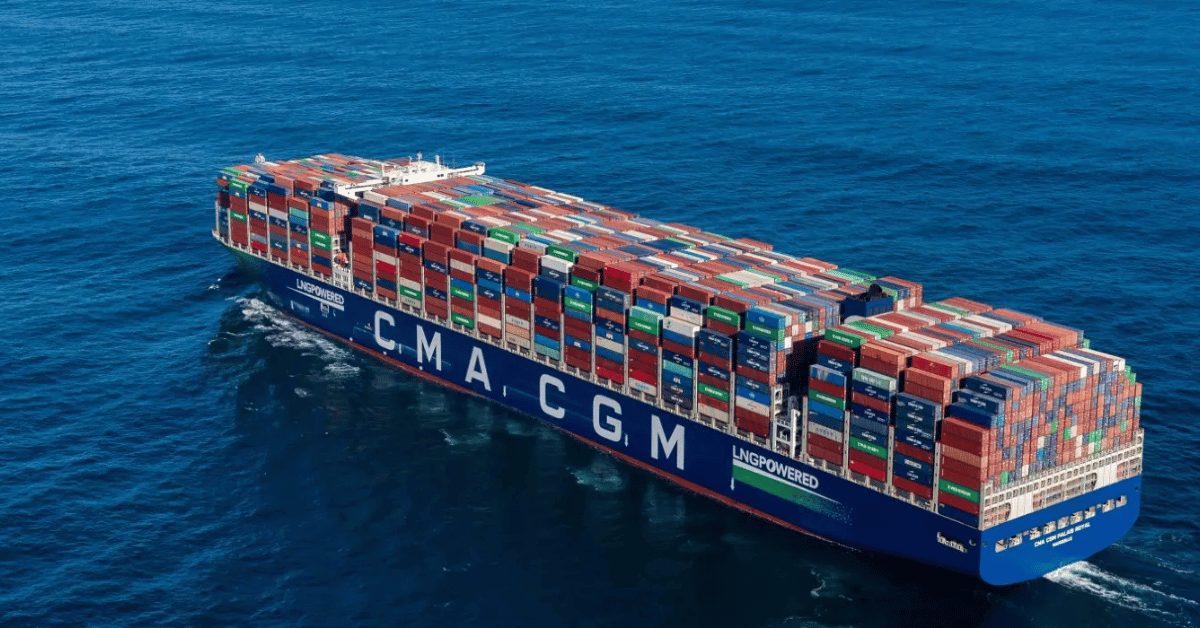
Shipping alliance targets 12,000-tonne CO2 cut via second-generation biofuels
CMA CGM and DSV are targeting a 12,000-tonne CO₂ reduction over two years through ACT+ low-carbon shipping solutions powered by second-generation biofuels. It is a measured step that pairs operational scale with validated fuel alternatives. The partnership demonstrates how logistics leaders can act on climate indicators without waiting for perfect infrastructure. For readers tracking the maritime fuel transition, our coverage of Wärtsilä's dual-fuel engine fleet offers a complementary view of the same decarbonization trajectory.

India Prioritizes Domestic Yards in $720 Million Shipbuilding Initiative
India's $720 million shipbuilding initiative puts domestic yards first through a Right of First Refusal process, a practical move toward self-reliance. We see this as a calibrated step that strengthens local industrial capacity while keeping procurement transparent. It pairs well with our earlier coverage of Synergy Marine Group and Cochin Shipyard's collaborative shipbuilding MoU, which signals momentum in India's maritime sector. Prioritizing homegrown capability is measurable progress, and we'll be watching how this shapes regional shipbuilding resilience.