digitalization
7 stories filed under digitalization on World Data Ocean. The newest of them: “Digital insights for small-scale fisheries governance in Somalia”, “Empirical ocean data powers the measurable path to energy transition”, and “Digital Economy's Measured Impact on Marine Progress Across China's Coast”. Small-scale fisheries in Somalia sustain coastal livelihoods and food security, yet fragmented information and weak governance undermine effective management. The ocean's role in the energy transition is not theoretical, it is empirical. A Global Hub for Ocean Intelligence 4 World Data Ocean is a centralized digital platform where researchers, scientists, and ocean enthusiasts converge to… The list below is every digitalization story on World Data Ocean, newest first.

Digital insights for small-scale fisheries governance in Somalia
Small-scale fisheries in Somalia sustain coastal livelihoods and food security, yet fragmented information and weak governance undermine effective management. This structured review of 104 peer-reviewed sources finds that digitalization can improve monitoring, coordination, and decision support, but lasting gains in governance remain uneven. Connectivity, digital literacy, and institutional trust matter most. For Somalia, the review identifies an information, governance gap and proposes a coordinated, accountable digital framework. Related coverage of climate-driven fish migration and new rules for shared stocks deepens this picture.
Empirical ocean data powers the measurable path to energy transition
The ocean's role in the energy transition is not theoretical, it is empirical. Measurable ocean data powers the path forward, validating climate indicators and calibrating our decisions. The World Economic Forum makes this clear: data is the foundation. For those tracking the science beneath the surface, our coverage of the Ocean Carbon and Acidification Data System offers a peer-reviewed look at how validated, integrated data ecosystems turn ocean intelligence into actionable climate insight. Understanding drives protection.
Digital Economy's Measured Impact on Marine Progress Across China's Coast
China's coastal provinces are discovering that digitalization and marine economic health rise together, though the relationship is more conditional than a simple win. Our new study, covering 11 regions from 2014 to 2023, confirms a positive baseline link between digital economy growth and high-quality marine development. Yet the association weakens under stricter statistical scrutiny, and green innovation intensity only matters past a threshold. This is exploratory evidence, not certainty.
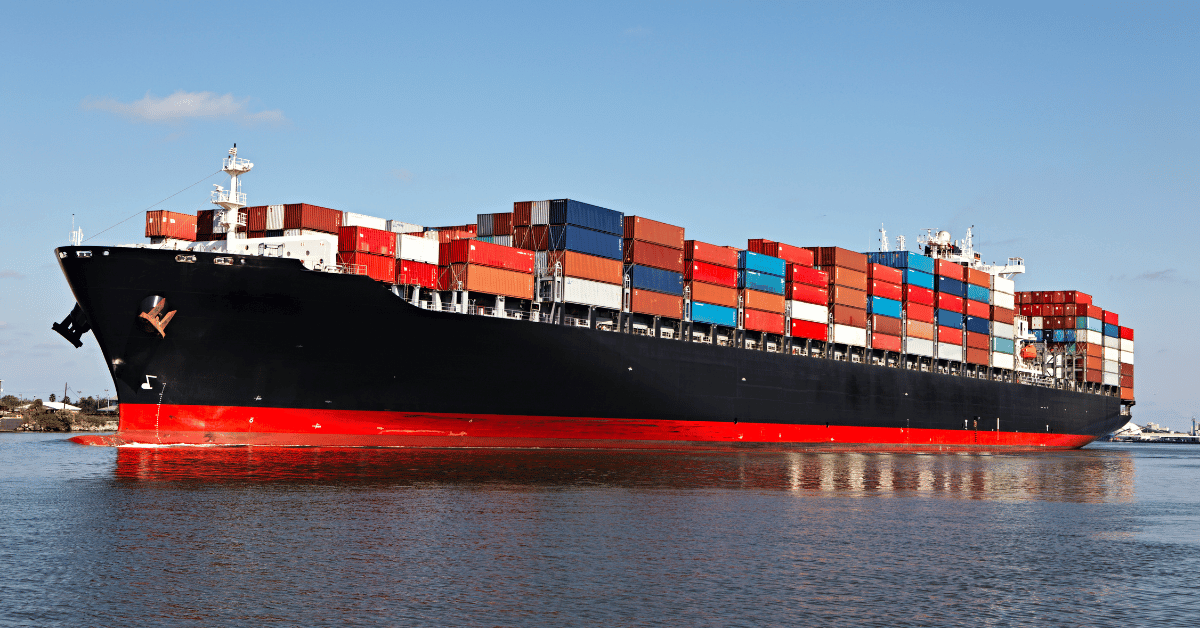
Evaluating Maritime Port Digitalization: A Global Survey by the IMO
The IMO's new global survey on Maritime Single Windows turns a critical lens on how digitalization actually performs in the field. By inviting stakeholders to report their experiences and challenges, the organization is treating port efficiency as a measurable, shared goal rather than a theoretical one. It is a practical move toward refining the data ecosystem that underpins global shipping. For context on how such infrastructure intersects with geopolitical pressures, our coverage of Russia's icebreaker financing offers a useful parallel.
China's Blue and Digital Economies: A 30-Year Evolution in Trade.
Thirty years of trade data now show what the blue economy's digital future looks like: broader, more diversified, and increasingly tied to high-tech marine sectors. This study's blue, digital product space reveals that relationships between the two groups have deepened, especially in marine equipment, shipbuilding, and observation technologies. It is an exploratory view, not a causal claim, but the pattern is telling. For those tracking maritime digitalization, the shift is measurable.
ICT Development's Role in Decarbonizing Global Maritime Transport
A new study confirms what we've long suspected: ICT development measurably reduces CO₂ emissions from maritime transport. Analyzing data across 111 countries, researchers found that digital infrastructure cuts emissions, but only up to a point. Beyond a certain scale of maritime activity, that benefit weakens. The threshold effect is a sobering reminder that technology alone cannot solve decarbonization. Strategy must scale with operations. For further context on maritime infrastructure growth, see our coverage of Paradip Port's designation as a Mega Port.
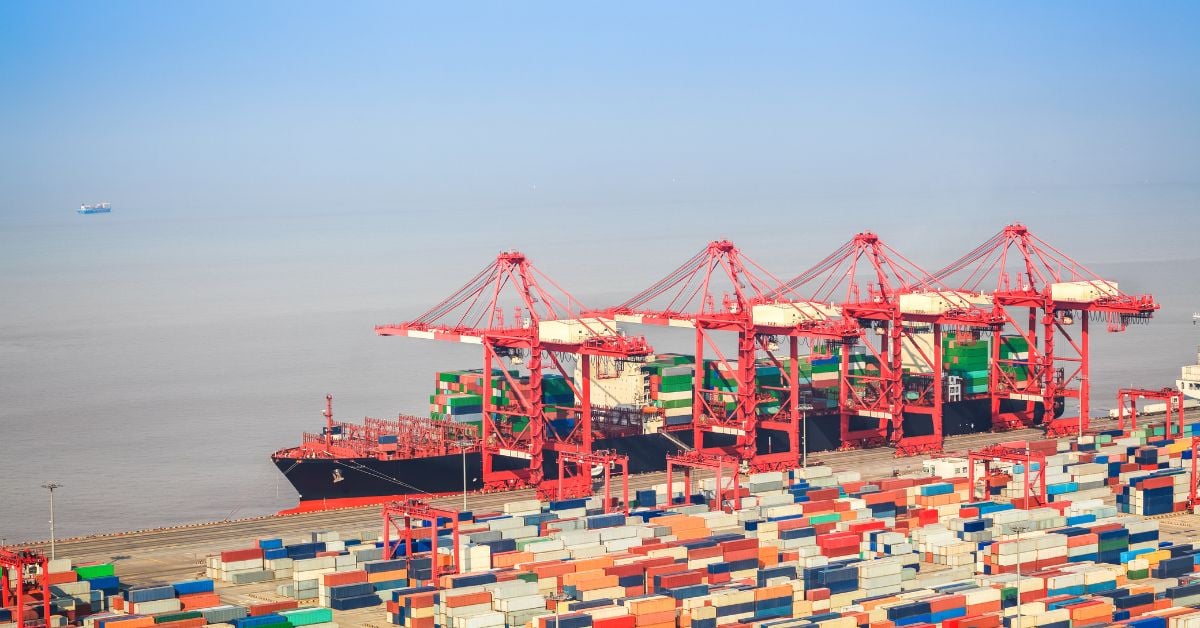
AI-Powered Vessel Design Integrates Ocean Data for Enhanced Efficiency
At SMM 2026 in Hamburg, Shanghai Merchant Ship Design, CMA CGM, and Bureau Veritas signed a contract to integrate ocean data directly into vessel design. This is not a small step; it is a calibrated move toward measurable efficiency. Pairing validated, real-time climate indicators with empirical engineering gives the industry a clearer path forward. For readers tracking maritime logistics, our coverage of the Strait of Hormuz shipping lane dispute offers useful context on why such efficiency matters now.