digital technologies
World Data Ocean keeps digital technologies in one place: 3 stories so far. The section currently leads with “Digital insights for small-scale fisheries governance in Somalia”, “China's Blue and Digital Economies: A 30-Year Evolution in Trade.”, and “Boosting Manila's Port Capacity with Hybrid, Low-Emission Cranes”. Small-scale fisheries in Somalia sustain coastal livelihoods and food security, yet fragmented information and weak governance undermine effective management. Thirty years of trade data now show what the blue economy's digital future looks like: broader, more diversified, and increasingly tied to high-tech marine sectors. A Global Hub for Ocean Intelligence 4 World Data Ocean is a centralized digital platform where researchers, scientists, and ocean enthusiasts converge to… The list below is every digital technologies story on World Data Ocean, newest first.

Digital insights for small-scale fisheries governance in Somalia
Small-scale fisheries in Somalia sustain coastal livelihoods and food security, yet fragmented information and weak governance undermine effective management. This structured review of 104 peer-reviewed sources finds that digitalization can improve monitoring, coordination, and decision support, but lasting gains in governance remain uneven. Connectivity, digital literacy, and institutional trust matter most. For Somalia, the review identifies an information, governance gap and proposes a coordinated, accountable digital framework. Related coverage of climate-driven fish migration and new rules for shared stocks deepens this picture.
China's Blue and Digital Economies: A 30-Year Evolution in Trade.
Thirty years of trade data now show what the blue economy's digital future looks like: broader, more diversified, and increasingly tied to high-tech marine sectors. This study's blue, digital product space reveals that relationships between the two groups have deepened, especially in marine equipment, shipbuilding, and observation technologies. It is an exploratory view, not a causal claim, but the pattern is telling. For those tracking maritime digitalization, the shift is measurable.
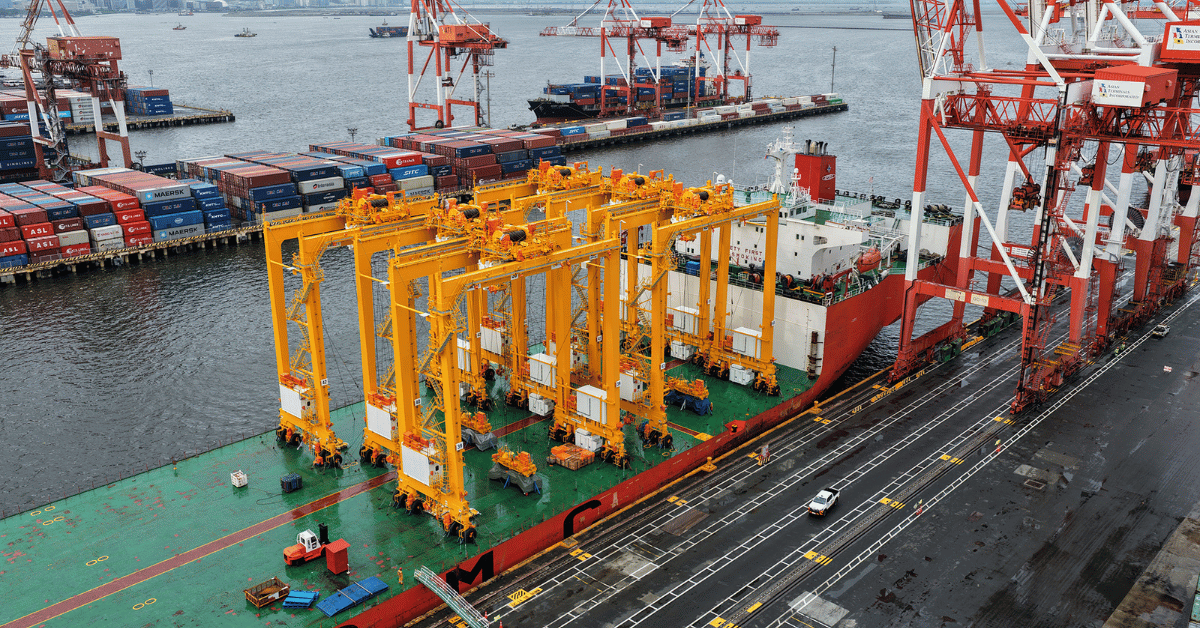
Boosting Manila's Port Capacity with Hybrid, Low-Emission Cranes
Manila South Harbour's new hybrid RTG cranes represent a calibrated step toward measurable decarbonisation in port operations. DP World and Asian Terminals have commissioned six low-emission units that boost capacity and safety without sacrificing operational integrity. This is empirical progress, integrated infrastructure that reduces emissions while strengthening throughput. For broader context on global port modernisation, our coverage of Paradip Port's designation as a Mega Port offers a parallel example of strategic maritime growth. Understanding drives protection, and these cranes deliver both.