cultural heritage
3 stories filed under cultural heritage on World Data Ocean. The newest of them: “Papua New Guinea holds more living languages than any nation on Earth”, “Revealing Scientific Insights Hidden Within Historical Artworks”, and “Charting a Course: Exploring Marine Archaeology and Future Careers”. Papua New Guinea holds more living languages than any nation on Earth, a remarkable concentration of linguistic diversity that speaks to deep cultural complexity. A 17th-century seascape hanging in a Dutch museum holds more than artistic mastery, it contains a hidden record of ocean conditions. A Global Hub for Ocean Intelligence 4 World Data Ocean is a centralized digital platform where researchers, scientists, and ocean enthusiasts converge to… The list below is every cultural heritage story on World Data Ocean, newest first.
Papua New Guinea holds more living languages than any nation on Earth
Papua New Guinea holds more living languages than any nation on Earth, a remarkable concentration of linguistic diversity that speaks to deep cultural complexity. Over 800 languages thrive across its islands, each a vessel of empirical knowledge about human history and adaptation. Protecting this heritage matters as much as tracking climate indicators. For another perspective on concentrated global data, see our tracing of cobalt from Congo's mines to China's refineries.
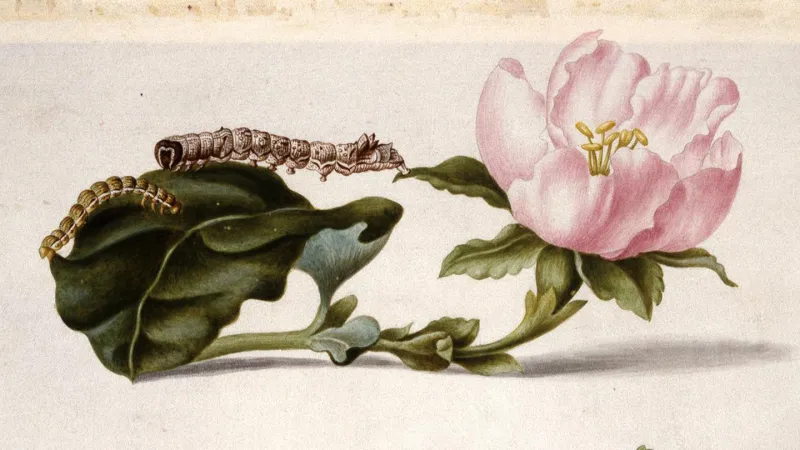
Revealing Scientific Insights Hidden Within Historical Artworks
A 17th-century seascape hanging in a Dutch museum holds more than artistic mastery, it contains a hidden record of ocean conditions. Scientists and art historians are now collaborating to extract empirical data from historic paintings, treating each canvas as a calibrated observation of past climate indicators. This innovative integration of art and ocean intelligence transforms cultural artifacts into measurable scientific tools. Understanding drives protection. For deeper context on marine research pathways, see our related coverage on navigating a marine studies degree.
Charting a Course: Exploring Marine Archaeology and Future Careers
The post from a 17-year-old uncertain about marine archaeology arrives at a pivotal moment. The student's instinct to blend a humanities background with ocean science is not a detour; it is a practical fusion. Marine archaeology demands exactly this integration of historical context and technical skill. The fear that AI will replace journalism is valid, but the field of underwater heritage needs human judgment for interpretation. This path is less about picking a side and more about combining strengths.