crude oil
World Data Ocean keeps crude oil in one place: 56 stories so far. The section currently leads with “Expanding India's Fleet: A Push for Maritime Independence and Cost Parity”, “Strait of Hormuz Traffic Dips Amid Rising Geopolitical Tensions.”, and “Strait of Hormuz Transit Costs Soar, Impacting Global Energy Flows.”. Indian ship owners face a 16-20% cost penalty flying the national flag, a gap that undermines maritime self-reliance before it can scale. Tanker traffic through the Strait of Hormuz is tightening as Iran vows retaliation against U.S. A Global Hub for Ocean Intelligence 4 World Data Ocean is a centralized digital platform where researchers, scientists, and ocean enthusiasts converge to… The list below is every crude oil story on World Data Ocean, newest first.
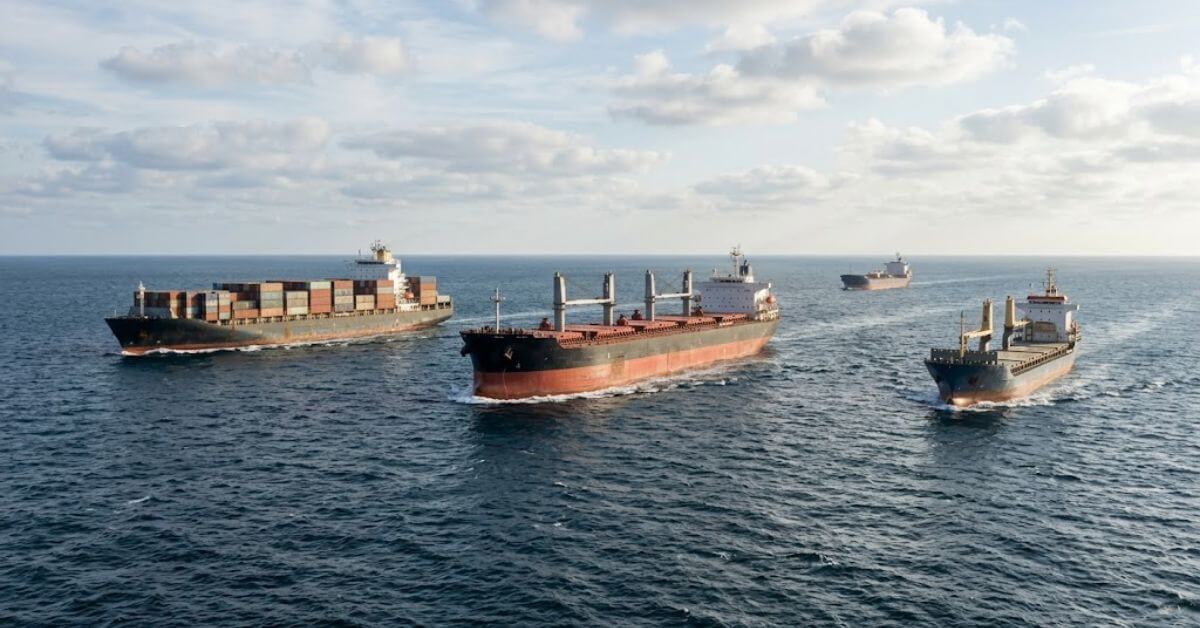
Expanding India's Fleet: A Push for Maritime Independence and Cost Parity
Indian ship owners face a 16-20% cost penalty flying the national flag, a gap that undermines maritime self-reliance before it can scale. Closing that differential is not merely fiscal; it is strategic. Lower operational costs would shift tonnage back to Indian registry, strengthening supply-chain security and bargaining power. The push toward cost parity aligns with broader regional momentum, including Russia's calibrated export levies for its icebreaker fleet. This is a practical, measurable step toward independence, and one worth watching closely.

Strait of Hormuz Traffic Dips Amid Rising Geopolitical Tensions.
Tanker traffic through the Strait of Hormuz is tightening as Iran vows retaliation against U.S. sanctions designed to sever its economic lifelines. The shift is measurable, and it carries weight for global energy flows. Geopolitical friction is no longer abstract; it is showing up in real-time transit data. For context, our coverage of Gulf of Oman STS Transfers Max Out Amid Rising Saudi Oil Exports highlights how regional chokepoints are already operating at capacity.

Strait of Hormuz Transit Costs Soar, Impacting Global Energy Flows.
The Strait of Hormuz carried roughly a fifth of global oil flows before the Iran war, and now transit costs are soaring. That shift does not just redraw shipping economics; it tightens the margins on every barrel and LNG cargo moving through a chokepoint the world still depends on. The pressure is measurable, and the implications for energy security are immediate. For deeper context on how nearby routes are adapting, our piece on Gulf of Oman STS transfers is worth reading.

Safer Red Sea Route Calibrates Oil Exports Amid Geopolitical Shifts
Shipowners are rerouting Saudi crude through the safer northern Red Sea corridor, a calibrated response to persistent Houthi threats that recalibrates export flows without disrupting global supply. The move reflects pragmatic maritime adaptation, not alarm. It is a measured shift, one that keeps oil moving while reducing risk to tankers and crews. For context on how regional pressures are reshaping tanker operations, our related piece on Gulf of Oman STS transfers maxing out offers a useful counterpoint.

Shipping Traffic in Strait of Hormuz Declines Amid Geopolitical Tensions
Tracking shipping through the Strait of Hormuz has become a sharper exercise in reading the gaps. Recent data shows a decline in transiting vessels, but the figures carry a caveat: some ships have switched off their transponders while crossing this critical waterway. That means the true volume is likely higher than reported, a reminder that geopolitical tension distorts even our most reliable metrics.

Easing Tensions: Iran Permits Iraqi Oil Tankers Through Strait of Hormuz
Iran's decision to permit some Iraqi oil tankers through the Strait of Hormuz follows repeated diplomatic requests from Baghdad, a measured step toward reducing friction in a waterway that carries a fifth of global oil supply. The move signals pragmatism, not capitulation, and it aligns with broader efforts to stabilize regional energy flows. For those tracking the Gulf's intricate logistics, this is a welcome, if conditional, easing.

Shifting Shipping Patterns: Omani Route Gains Prominence Through Strait.
A month ago, the Omani route saw almost no commercial traffic. Now, it is gaining prominence through the Strait, a shift that speaks to how quickly maritime dynamics can change. Kpler's data makes the pivot measurable, and that matters. This is not speculation; it is empirical movement. For deeper context on the pressure building in these waters, our piece on Gulf of Oman STS Transfers Max Out Amid Rising Saudi Oil Exports tracks the capacity constraints driving such realignments.

Rotterdam Refinery Explosion: Incident Highlights Risks in Petrochemical Storage
A fatal explosion at a Port of Rotterdam petroleum storage facility has killed one worker and left six others seriously injured, according to local authorities. The incident underscores the inherent volatility of petrochemical storage, a risk that demands constant vigilance across global supply chains. As we track these operational hazards, related coverage on ship-to-ship transfers in the Gulf of Oman highlights how pressure on fossil fuel logistics continues to mount.

Navigating Geopolitics: ADNOC Facilitates Iraqi Oil Transit Through Hormuz.
Amid heightened Strait of Hormuz tensions, ADNOC has distinguished itself as one of the Gulf's most effective producers at moving crude through the critical chokepoint. Its operational discipline underscores how logistical reliability becomes a geopolitical asset. The company's facilitation of Iraqi oil transit reflects a measured, collaborative approach to regional energy flows. For context on how nearby routes are straining, our piece on Gulf of Oman STS transfers shows capacity limits rising. This is pragmatic leadership, not posturing.

Drone Strikes on Oil Tankers Cease Following US Concerns.
The United States' intervention appears to have worked. Ukrainian drone strikes on oil tankers carrying Kazakh crude have ceased, following Washington's concerns last month that these attacks were disrupting global oil markets. The pause is a pragmatic acknowledgment that maritime security and economic stability are intertwined. For those tracking the ripple effects of naval conflict, this is a meaningful development. Russia's own maritime posturing remains a separate concern, as our coverage of suspected drone operations in the Mediterranean makes clear.

Shipping Costs Surge: Canal Delays and Geopolitical Tensions Impact Trade
The latest auction payment for shipping slots has surged to more than double the seven-day average, a clear signal that canal delays and geopolitical friction are tightening trade routes. This is not a blip; it is a measurable strain on global logistics, and the data confirms what shippers are already feeling. The pressure is real, and it demands attention. For a broader view of regional disruptions, our piece on Gulf of Oman STS transfers maxing out offers useful context.

Black Sea Maritime Stability: Ukraine Suspends Attacks Following U.S. Dialogue
Ukraine's decision to suspend attacks on non-Russian oil tankers and critical Black Sea infrastructure, including pipelines vital to Kazakhstan's exports, follows direct U.S. dialogue. This is a calibrated pause, not a retreat from deterrence. It signals a measurable step toward de-escalation in a region where maritime risk has compounded geopolitical tension. The move invites scrutiny of how negotiated restraint can hold alongside continued strikes. For broader context on regional energy flows, our analysis of Gulf of Oman STS transfers offers a useful parallel.

Sinking Tanker Raises Concerns Over Oil Spill and Regional Impact
The Caroline Bezengi, an 899-foot tanker, has sat grounded off Qibliyah Island in southwestern Oman for weeks, and the stillness is the problem. A hull breached this long in a shallow, sensitive zone is a slow-motion environmental liability. The risk of an oil spill is not hypothetical; it is a ticking clock. This incident underscores why regional traffic safety demands urgent attention. For broader context on these maritime pressures, our coverage of the Gulf of Oman STS Transfers piece highlights the region's intense shipping activity.

Missile Attack on ADNOC Vessel Highlights Regional Maritime Risks
On August 8, 2026, a missile attack on an ADNOC vessel crossing the Strait of Hormuz underscored the fragility of regional maritime routes. The incident is a measured reminder that shipping lanes remain exposed to geopolitical friction. Such strikes do not occur in isolation; they strain the integrated data ecosystems that monitor these waters. For context on diplomatic efforts, our related piece, "Phased Negotiations Aim to Ease Restrictions on Strait of Hormuz," outlines ongoing talks.

Chinese Shipping Expands Arctic Route Access via Northern Sea Route.
Seven Chinese vessels have received permits to transit the Northern Sea Route to Europe, a concrete step in Beijing's Arctic engagement. Rosatom's approval signals Russia's willingness to integrate Chinese shipping into its ice-covered corridor. The move is practical, not ceremonial: it extends commercial reach while testing the route's reliability. For readers tracking the region's momentum, our related piece on Russia's icebreaker export revenue calibrations offers useful context on the infrastructure behind these transits.

Attacks on ADNOC Vessels Disrupt Oil Flow Through Strait of Hormuz
Three ADNOC vessels came under attack this week, with one crew member killed and 20 injured, the company confirmed. This is not an isolated incident; it is a direct strain on the flow of oil through the Strait of Hormuz, a corridor the entire region depends on. The human toll is unacceptable, and the disruption to global energy routes demands a measured, empirical response. Our related coverage on phased negotiations to ease restrictions in the strait offers essential context for what comes next.

Indian Maritime Effort Ensures Safe Passage for Vessels and Seafarers
The Indian government confirmed that vessels completed their transits through the West Asia region despite heightened security concerns, underscoring the maritime effort that ensured safe passage for ships and seafarers. This is steady, measured progress in a volatile corridor. The commitment reflects a practical approach to ocean stewardship, where operational reliability carries weight. For those tracking regional dynamics, our related coverage on the Gulf of Oman STS transfers offers additional context on the pressures shaping these routes. Safe passage is not incidental; it is engineered.

Oil Spill Expands Near Oman, Linked to Russian-Flagged Tanker.
The Caroline Bezengi, laden with Russian crude from Novorossiysk, now trails an expanding oil slick near Oman's coast. The spill's link to a vessel at the heart of sanctioned trade routes is no coincidence; it is a measurable consequence of geopolitical pressure applied at sea. This incident underscores how quickly environmental risk follows maritime decision-making. For context on the broader pattern, our related piece, "Russia Calibrates Export Revenue for Northern Sea Route Icebreaker Fleet," examines Moscow's ongoing calculations.

Kazakh Oil Exports Suspended Following Drone Attacks at Novorossiysk
The halt of Kazakh crude exports at Novorossiysk, following drone strikes that hit two oil tankers overnight, introduces another layer of volatility into an already strained energy corridor. Disruptions here carry weight beyond regional conflict; they test the resilience of global supply chains. This incident underscores how quickly maritime routes can be compromised. For deeper context on the escalating strikes affecting shipping infrastructure, our related coverage, "Strikes Target Ports and Vessels in Confirmed Military Action," details the broader pattern.

Intercepted Tanker Highlights Ongoing Crude Oil Theft Concerns Off Nigeria
The interception of a tanker linked to suspected crude oil theft at the Utue Offshore Oil Terminal underscores a persistent challenge to maritime security and resource accountability. This action, driven by intelligence reports, signals a firm response to illegal operations that undermine both economies and ecosystems. The incident is a measured reminder that vigilance remains essential, though enforcement alone may not resolve the deeper vulnerabilities enabling such activities.

Durban’s Historic Dock Greets Oil Tanker After Decade-Long Hiatus
The 228-metre crude oil tanker *Troy* has arrived at Durban's historic Prince Edward Graving Dock, marking the port's first such berth in a decade. Transnet National Ports Authority's welcome signals a measured return to routine industrial operations, one that balances legacy infrastructure with present-day logistics. The hiatus was long, but the dock's purpose remains clear: precise, functional service. For context on regional maritime pressures, our report on the drone strike near the Strait of Hormuz offers a useful counterpoint.

Regional Conflict Impacts Key Oil Shipping Routes in the Red Sea
The Red Sea's role as a critical artery for global oil movement is under direct threat, with Houthi military spokesperson Yahya Saree confirming strikes in response to Saudi drone incursions into Yemeni airspace. This escalation injects fresh volatility into an already strained shipping corridor. The region's fragility demands calibrated attention, not alarm. For context on how these pressures ripple outward, our piece on Gulf of Oman STS Transfers Max Out Amid Rising Saudi Oil Exports illustrates the strain on adjacent routes.

Mine Strike Damages Tanker in Strait of Hormuz; Shipping Risks Rise
A mine strike has damaged a tanker in the Strait of Hormuz after it left a shipping route designated by Iranian authorities, according to Tasnim. The incident underscores how quickly risk is escalating in a waterway that carries a third of global oil trade. This is not a distant threat; it is a live disruption with immediate consequences for maritime security.

Diversifying Exports: Iraq and Syria Plan Mediterranean Oil Pipeline.
Iraq and Syria are advancing plans for a Mediterranean oil pipeline, a move that would diversify export routes and strengthen Iraq's energy sector. The proposal signals a deliberate effort to attract foreign investment while reducing reliance on existing chokepoints. It is a pragmatic step, though one that carries geopolitical and logistical weight. For context on regional maritime pressures, our related coverage on Gulf of Oman STS transfers highlights how tightly stretched export infrastructure has become.