Costa Rica
Costa Rica at World Data Ocean is a file of 8 stories. The newest of them: “Validated Beach Find in Costa Rica Points to Data Gap in Coastal Catfish Identification”, “Whale ear bone fossil identified on Costa Rica beach by citizen science”, and “New coral family named for Tolkien tree traced through genetic analysis”. A single validated beach find in Costa Rica is challenging what we think we know about coastal catfish identification. A lightweight whale ear bone fossil, identified by a citizen scientist using Google Lens on a Costa Rica beach, presents a compelling case for integrated data ecosystems in paleontology. A Global Hub for Ocean Intelligence 4 World Data Ocean is a centralized digital platform where researchers, scientists, and ocean enthusiasts converge to… The list below is every Costa Rica story on World Data Ocean, newest first.

Validated Beach Find in Costa Rica Points to Data Gap in Coastal Catfish Identification
A single validated beach find in Costa Rica is challenging what we think we know about coastal catfish identification. When a clear identification cannot be made, it signals a measurable gap in our empirical understanding of these species. This discovery underscores the need for integrated, real-time data collection. For deeper exploration of how unexpected findings connect to broader marine science, see our related piece on "Acoustic restoration: attracting marine life back to damaged reefs with sound."

Whale ear bone fossil identified on Costa Rica beach by citizen science
A lightweight whale ear bone fossil, identified by a citizen scientist using Google Lens on a Costa Rica beach, presents a compelling case for integrated data ecosystems in paleontology. The specimen's lack of smell and porous texture are empirically consistent with validated marine mammal remains. This discovery echoes themes explored in our related coverage, "Squid hair cells offer a validated model for human hearing research," where biological structures yield measurable, peer-reviewed insights. Such finds remind us that ocean intelligence begins with observation.
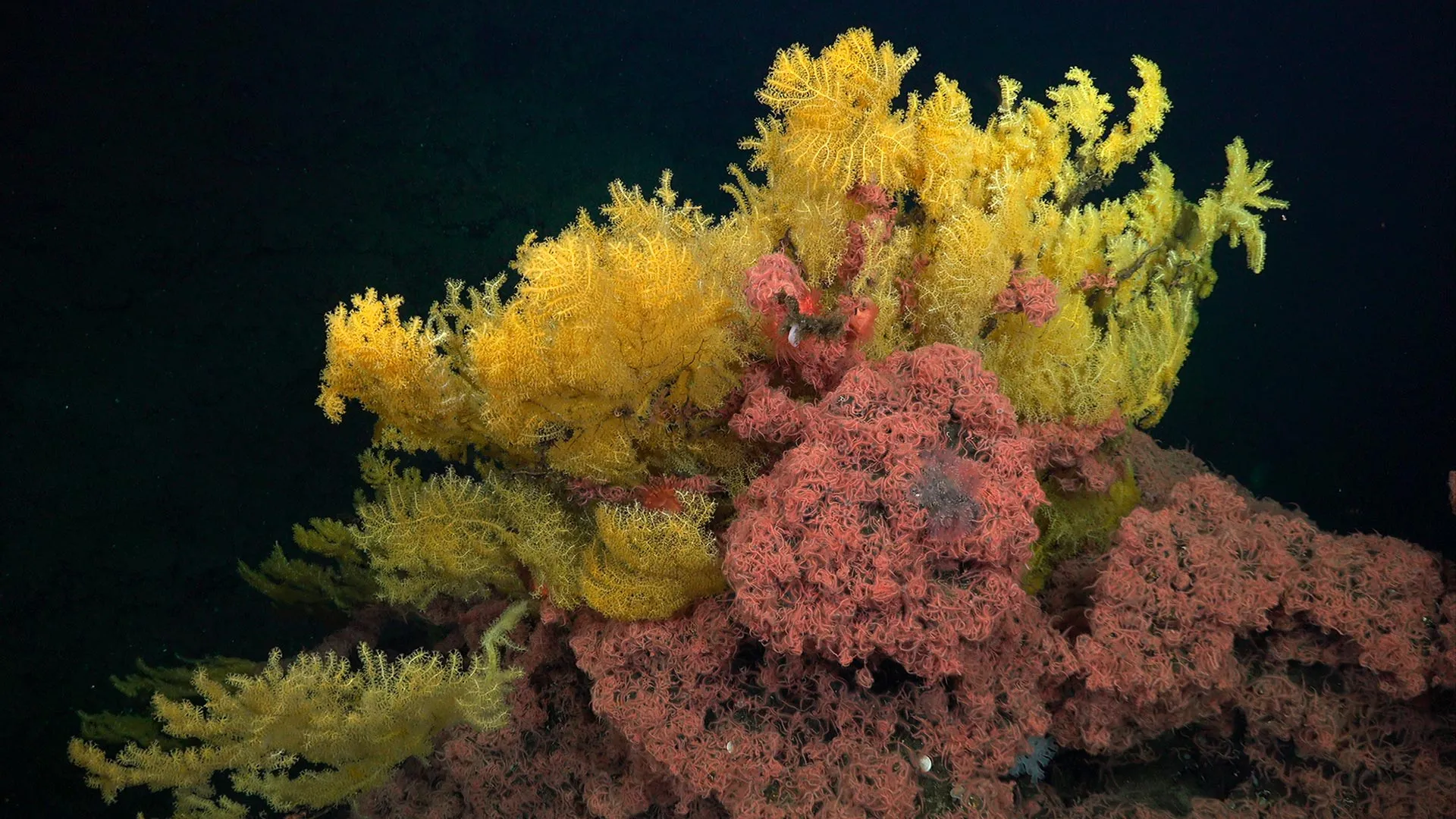
New coral family named for Tolkien tree traced through genetic analysis
A brilliant yellow coral discovered off Costa Rica's deep seafloor proved so genetically distinct that scientists created an entirely new family to classify it. Named *Laurinque elenya*, Tolkien's "golden tree of the stars", these meter-tall colonies rise among brittle stars, a living metaphor for how much remains hidden in our ocean. This discovery underscores why empirical data, like the decade of reef observations explored in "A decade of empirical data illuminates the ocean's hidden reef ecosystems," remains essential. Understanding drives protection.
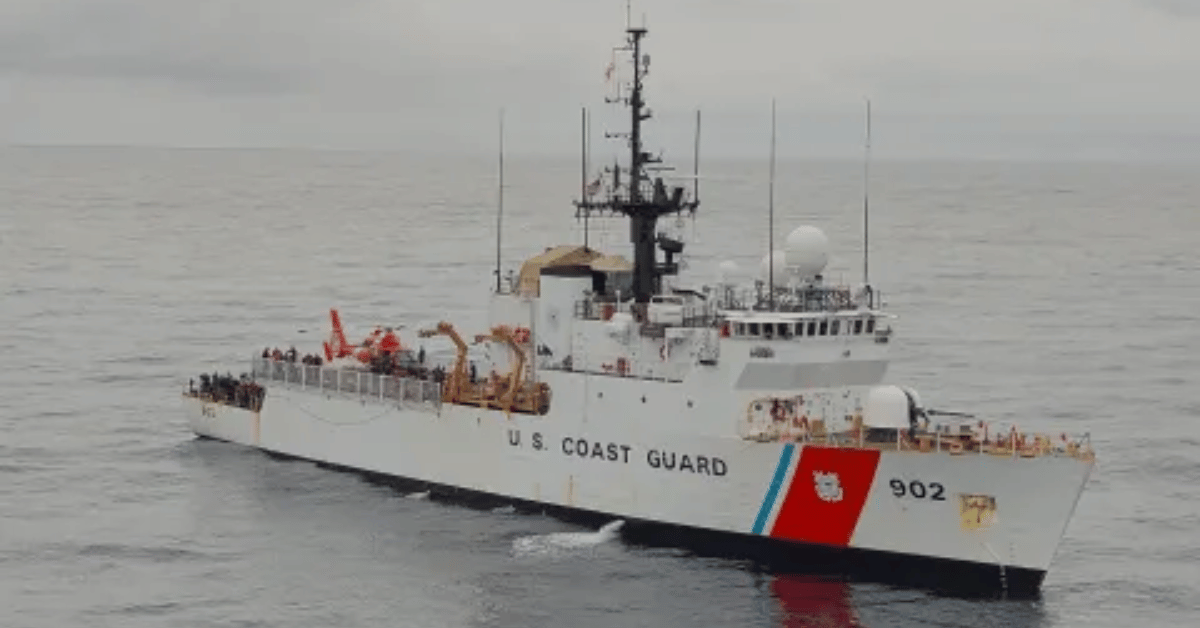
Maritime Interdictions Yield 25,000 Pounds of Cocaine, Supporting Ocean Security
The U.S. Coast Guard's interdiction of more than 25,000 pounds of cocaine in under a week is a decisive blow to illicit networks and a clear win for ocean security. Each seizure reinforces the measurable impact of persistent, coordinated patrols. This is security work with empirical results, not abstract policy. For context on how the service is strengthening its reach, Alaska's Base Kodiak to Gain Enhanced Arctic Capabilities with New Pier details infrastructure investments that extend such vigilance further north.

Blackout-Hit Car Carrier Experiences Temperature Increase in Panamanian Waters
A crewless, blacked-out car carrier is drifting in Panamanian waters with a rising internal temperature, a scenario that demands precise, coordinated intervention. When a vessel loses all electrical power, every minute without restoration introduces new variables. This is not a time for alarm, but for calibrated response. For related analysis on maritime risk, see our coverage of the cargo ship fire near Mykonos. Understanding drives protection, especially when no crew remains aboard.

Fisher Pathways: Understanding Circle Hook Adoption for Sea Turtle Protection
Circle hooks are proven to reduce sea turtle bycatch, yet their adoption across Eastern Pacific longline fleets remains uneven. This study of Ecuadorian and Costa Rican fisheries reveals a critical distinction: acceptance of a conservation technology does not equal support for it. Early experiences shaped outcomes, with market access and gear quality driving divergence. The findings carry weight for ocean security efforts, much like the work highlighted in our coverage of maritime interdictions. Understanding these social contingencies is essential for scaling conservation gains.

Engine Room Fire Aboard Car Carrier Reported Off Costa Rica
At 1:09 p.m. local time, the U.S. Coast Guard Southwest District received an Inmarsat distress alert from a car carrier reporting an engine room fire off Costa Rica. The incident underscores the persistent risks facing modern shipping, where mechanical failure can escalate swiftly into a safety emergency. Response efforts are now underway, though details remain limited. For broader context on recent maritime fire incidents, our coverage of the cargo ship fire near Mykonos offers a comparable case.
Coastal Enigma: Identifying a Rocky Shore Creature in Costa Rica
A rocky tidepool in Costa Rica's Central Pacific holds a small mover that retreats into a hole after a brief appearance. This video, shared by a curious observer, captures a creature that stays active yet wary, a reminder that low-tide zones are busy with life we often overlook. Identifying it takes patience and a good look at its habits. For those drawn to such puzzles, our piece on calibrated ocean intelligence offers a starting point for exploring how data helps name what we see.