control
control at World Data Ocean is a file of 3 stories. The newest of them: “Strait of Hormuz Posture Raises Stakes for Maritime Data Verification”, “Controlling the Cosmos: Space-Based Illumination and the Future of Night”, and “Iran Asserting Control Over Vital Strait of Hormuz Passage”. A commander of Iran's Islamic Revolutionary Guard Corps has publicly dared U.S. A satellite that beams light on demand sounds like a solution in search of a problem, until you consider who gets to decide what that means. A Global Hub for Ocean Intelligence 4 World Data Ocean is a centralized digital platform where researchers, scientists, and ocean enthusiasts converge to… The list below is every control story on World Data Ocean, newest first.
Strait of Hormuz Posture Raises Stakes for Maritime Data Verification
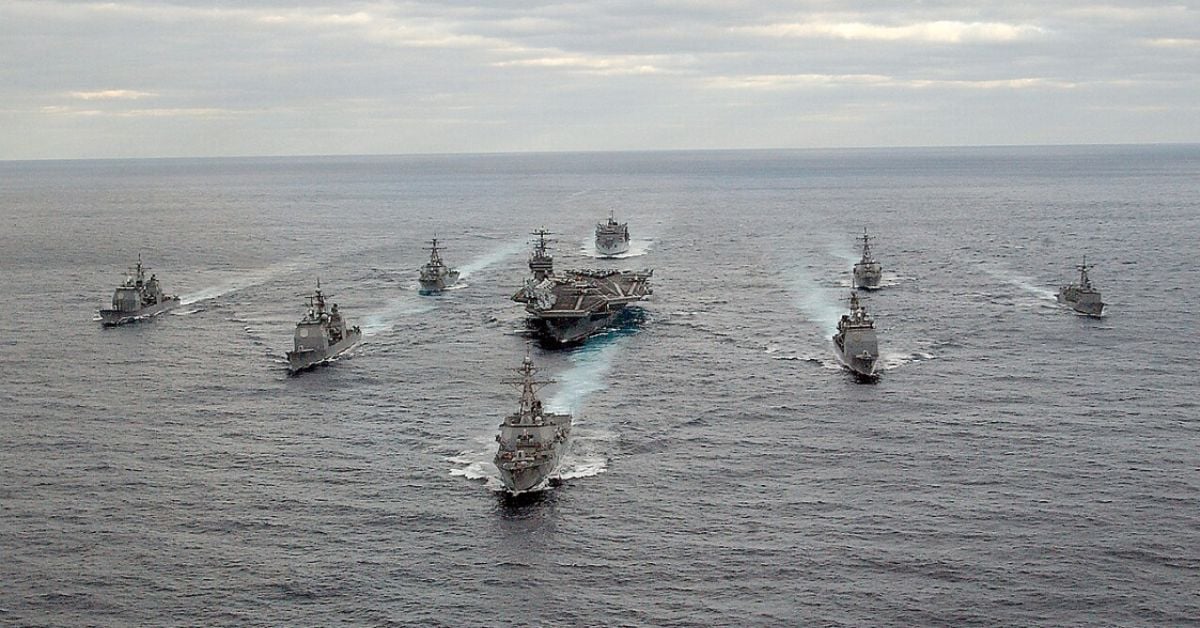
A commander of Iran's Islamic Revolutionary Guard Corps has publicly dared U.S. warships to enter the Strait of Hormuz, raising the stakes for maritime data verification in a waterway that carries a fifth of the world's oil. This is not posturing; it is a direct challenge to the empirical, real-time ocean intelligence that underpins safe passage. For deeper context on how navies are adapting, see our coverage of the counter-drone electronic warfare system now protecting USS Ohio.

Controlling the Cosmos: Space-Based Illumination and the Future of Night
A satellite that beams light on demand sounds like a solution in search of a problem, until you consider who gets to decide what that means. Astronomers are rightly concerned: the night sky is not a blank canvas for commercial convenience. Illumination on command reshapes more than visibility; it reshapes our shared scientific baseline. We think this is a conversation about governance as much as technology.

Iran Asserting Control Over Vital Strait of Hormuz Passage
Iran's assertion that it manages and controls the Strait of Hormuz is a statement of strategic fact, not posturing. For a nation whose economy and security are tied to the waterway, claiming this position is both logical and consequential. The strait's role as a global energy artery makes such declarations inherently significant, and we should treat them with the gravity they demand. For broader context on regional shipping pressures, our coverage of Gulf of Oman STS transfers offers a useful parallel.