complex life
complex life at World Data Ocean is a file of 3 stories. The newest of them: “Ancient ocean phosphorus cycles reveal Earth's 2.3-billion-year oxygen secret”, “A twelve-thousand-fossil record links oxygen to the rise of complex life”, and “Extreme Thermophile Amoeba Expands Limits of Complex Life's Heat Tolerance”. Phosphorus recycling in ancient oceans may have solved a 2.3-billion-year mystery: how Earth kept enough oxygen to support life. Twelve thousand fossils from ancient Australian rocks now offer the most direct evidence yet that oxygen enabled complex life to emerge. A Global Hub for Ocean Intelligence 4 World Data Ocean is a centralized digital platform where researchers, scientists, and ocean enthusiasts converge to… The list below is every complex life story on World Data Ocean, newest first.
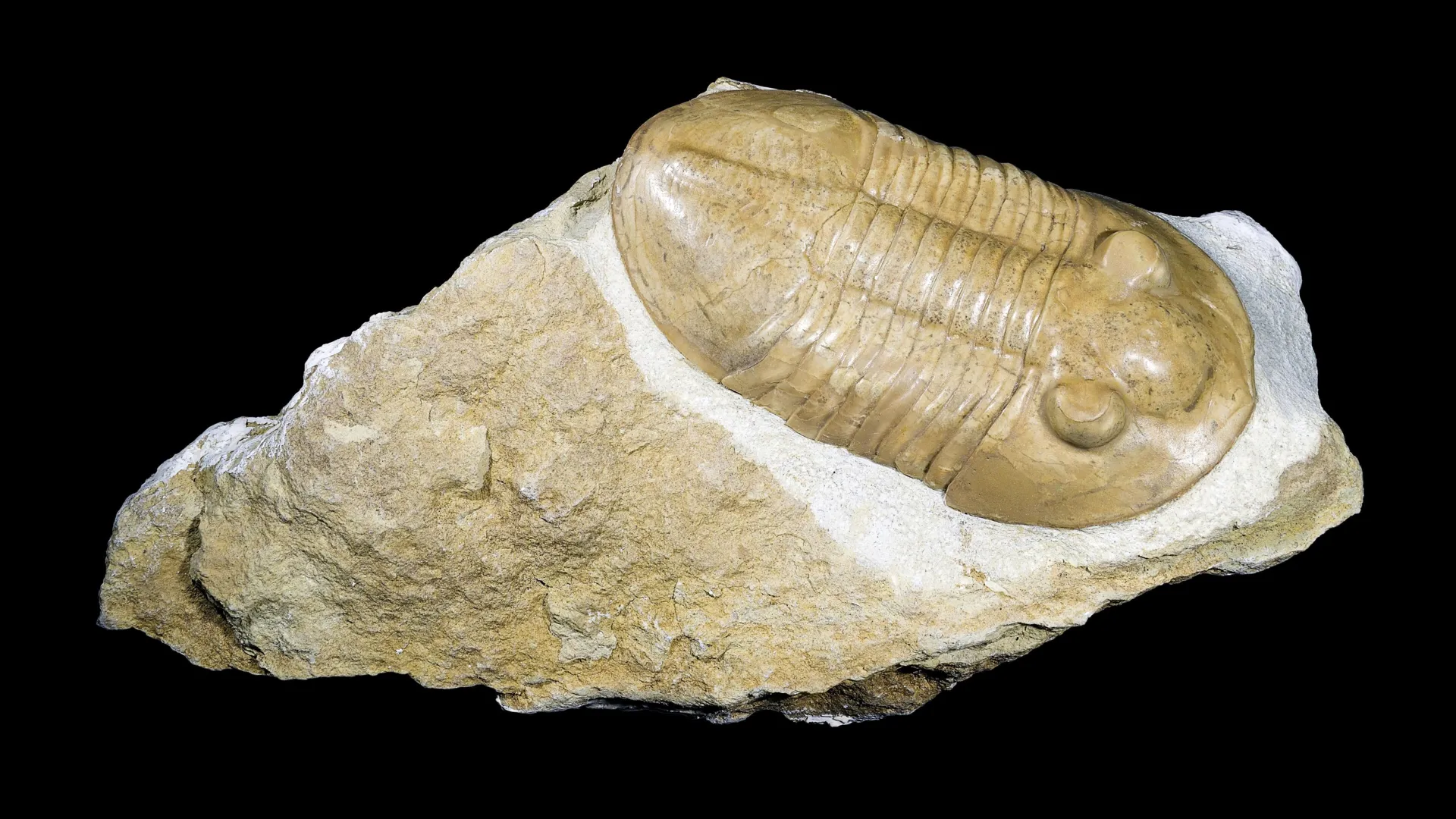
Ancient ocean phosphorus cycles reveal Earth's 2.3-billion-year oxygen secret
Phosphorus recycling in ancient oceans may have solved a 2.3-billion-year mystery: how Earth kept enough oxygen to support life. New evidence from old rocks reveals a self-sustaining cycle that maintained high oxygen levels through dramatic planetary change. This challenges long-held assumptions about our early atmosphere. It also raises compelling questions about why complex life took so long to emerge. For deeper context, our coverage of "Acidification Alters Phytoplankton Chemistry" explores how ocean chemistry continues shaping life today.
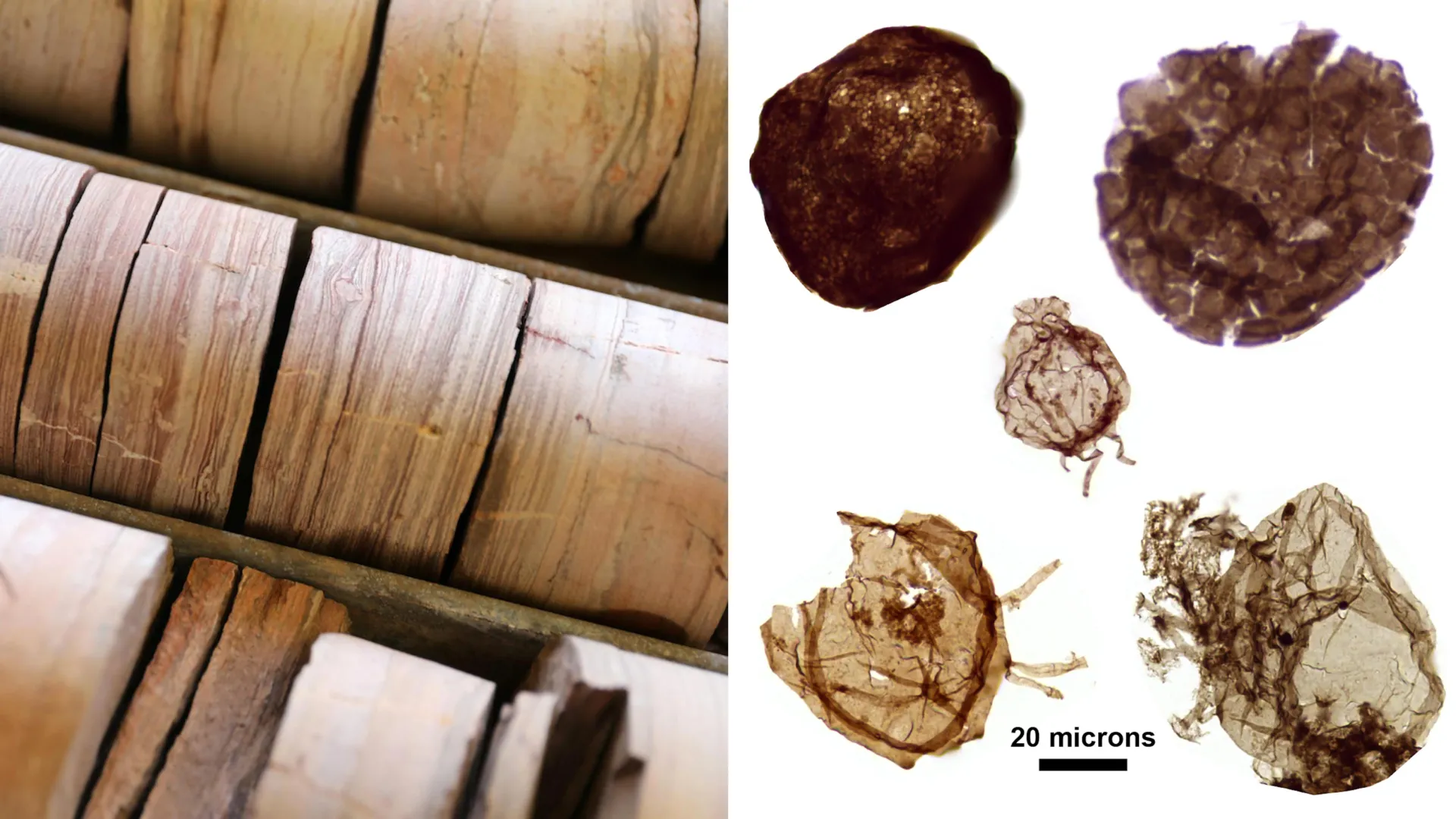
A twelve-thousand-fossil record links oxygen to the rise of complex life
Twelve thousand fossils from ancient Australian rocks now offer the most direct evidence yet that oxygen enabled complex life to emerge. These early eukaryotes flourished in coastal mudflats and open seas, but only where oxygen was present. Oxygen-free zones hosted only simpler microbes. This empirical record strengthens a long-held hypothesis with measurable, validated data. For deeper context on how environmental factors shaped early life, see our coverage of "Magma and microbial activity may rewrite a 2-billion-year-old carbon signal.
Extreme Thermophile Amoeba Expands Limits of Complex Life's Heat Tolerance
A newly described extreme thermophile amoeba is redefining what we know about the limits of complex life. This organism thrives at temperatures that would be lethal to most eukaryotic cells, pushing the boundaries of our biological understanding. It is a compelling reminder that our ocean intelligence is far from complete. For more on how life adapts to extreme marine environments, see our related piece on Arctic sea ice melt season stabilization.